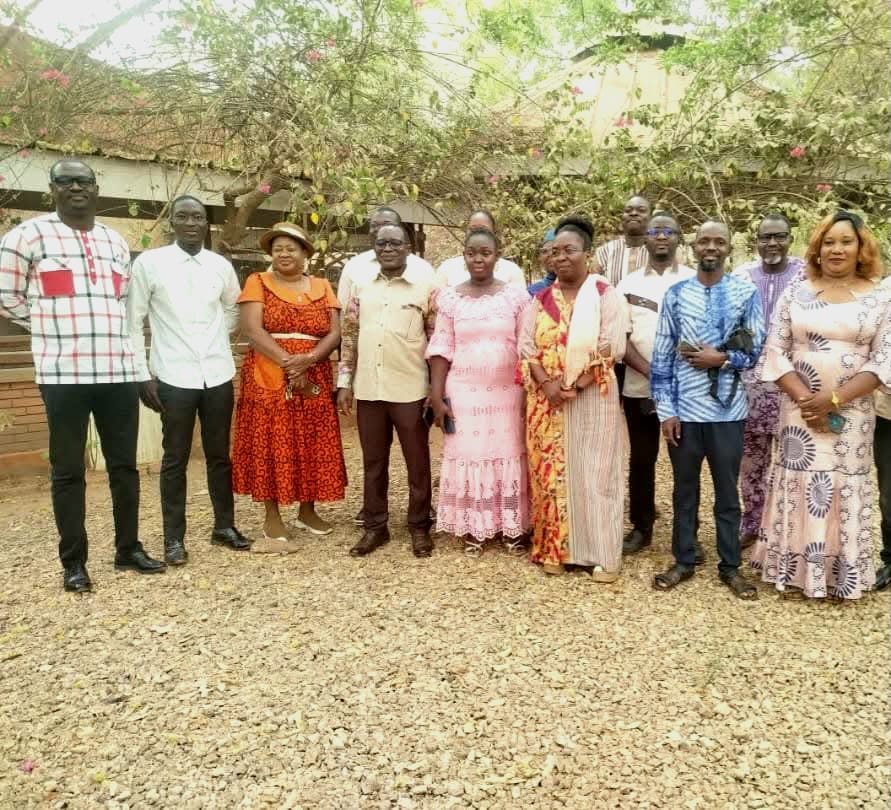
The African Media Network for Health and Environment Promotion (REMAPSEN) hosted a critical dialogue on March 24, 2026, focusing on a pressing issue: “Security crisis and declining external funding: what local alternatives exist to uphold sexual and reproductive health rights in Burkina Faso?”
Challenges in securing sustainable health financing
Burkina Faso now faces a major hurdle in maintaining access to sexual and reproductive health (SRH) services due to escalating security threats and a gradual retreat by international donors. Official health ministry data reveals that over 81% of funding for this sector previously came from external partners, but contributions have dwindled in recent years, pushing local stakeholders to seek alternative funding mechanisms.
Community-led solutions take center stage
Désiré Thiombiano, Director of AMS Synergie Burkina Faso, emphasized the urgent need for self-reliance in health financing. He argued, “It is no longer viable to depend solely on external support. Communities must take ownership of their sexual health to prevent early pregnancies, child marriages, and maternal deaths.”
To achieve this, Thiombiano proposed a three-step approach:
- Community sensitization: Educating populations on the importance of self-funding for SRH services.
- Engaging male leaders: Involving religious and opinion leaders to promote positive masculinity and advocacy.
- Local resource mobilization: Institutionalizing community-driven fundraising through territorial authorities to ensure transparent and sustainable financial management.
Government steps up despite funding gaps
Dr. Clarisse Bougma, representing the Director of Family Health, highlighted the Burkinabè government’s proactive measures. Between 2020 and 2025, the state invested nearly 3.9 billion West African CFA francs in contraceptive supplies. Despite reduced external support, the ministry remains committed to expanding SRH services, particularly in hard-to-reach areas.
She stressed, “Mobilizing local resources is a strategic priority. It ensures program sustainability and accelerates progress toward global health goals.”
Media’s role in advocating for local health solutions
Boureima Sanga, REMAPSEN’s Burkina Faso Coordinator, underscored the role of journalists in this shift. “In today’s multi-crisis environment, media professionals must understand endogenous financing models to educate the public and support health sovereignty.”
Since its inception in June 2020, REMAPSEN—with support from the Ouagadougou Partnership—has been organizing national forums to champion homegrown, long-term solutions for SRH challenges.
