The year 2025 stands out as a truly transformative period for Burkina Faso’s national health system. Despite facing significant national security and economic hurdles, the healthcare sector achieved remarkable milestones, enhancing both its infrastructure and the provision of specialized medical services, alongside improving financial access to care.
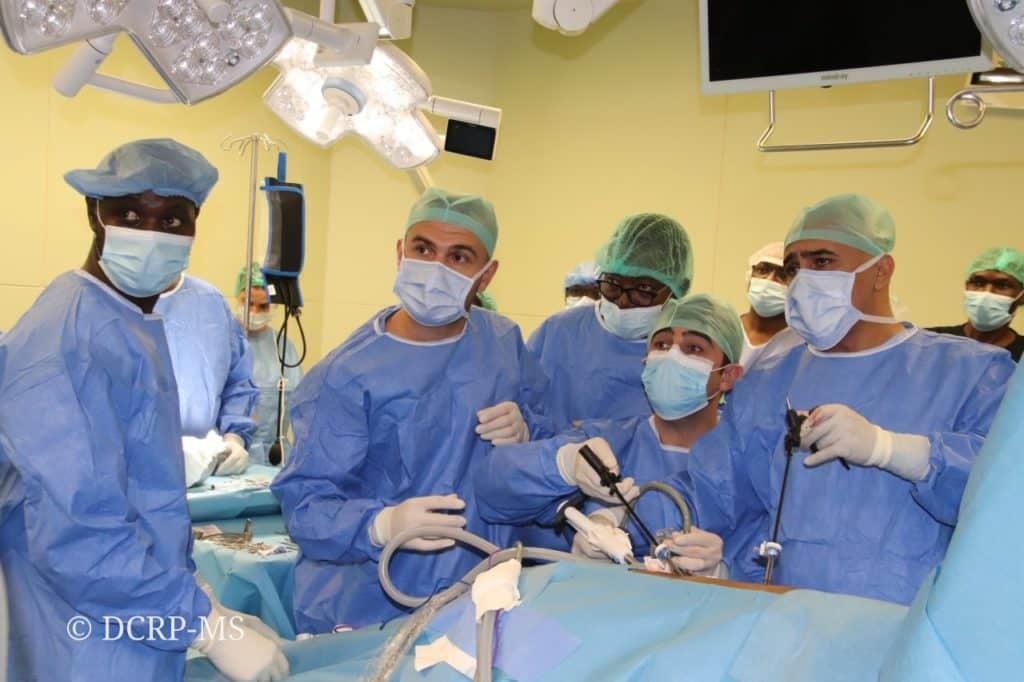
In a historic first for the nation, 2025 saw Burkina Faso successfully perform its inaugural kidney transplant within its borders.
This groundbreaking medical achievement, made possible through the dedicated collaboration of Burkinabè and Turkish medical teams at the Centre Hospitalier Universitaire (CHU) de Tengandogo, signifies a major leap forward in managing renal failure. It is expected to substantially lessen the country’s reliance on costly overseas medical evacuations, which were previously essential for such complex conditions.
Read also👉🏿Health: Burkina Faso brilliantly succeeds in its historic first kidney transplant
Continuing this wave of medical innovation, another significant surgical feat was accomplished in Kaya, situated in the Kuilsé region. A medical team, expertly led by neurosurgeon Dr. Lassané Taoko, with crucial assistance from anesthesiologist-resuscitator Dr. Fabrice Lompo, successfully carried out a intricate operation on a patient suffering from a brain tumor. This procedure underscores the growing capabilities of specialized surgery within the country.
Regarding infrastructure development, 2025 was also highlighted by the grand opening of the Centre Hospitalier Universitaire (CHU) de Pala. Equipped with cutting-edge technology, this new facility substantially bolsters the provision of specialized healthcare services across its designated catchment area.
Complementing this expansion is the inauguration of the Gaoua hemodialysis center, providing a vital response to the increasing demand for renal disease treatment in the Djôrô region.
Also read👉🏿Burkina Faso: Measures to reduce the costs of medical imaging and generic drugs bear fruit
Furthermore, considerable progress was made in ensuring more affordable access to healthcare. Health authorities implemented significant reductions in the cost of several major medical examinations at public hospitals. For instance, the price of a CT scan was halved from 50,000 FCFA to 25,000 FCFA, while the average cost of an MRI decreased by 60%, from 100,000 FCFA to 40,000 FCFA.
For hemodialysis patients, the 500,000 FCFA deposit requirement was abolished. These social initiatives aim to alleviate financial burdens on patients and encourage earlier diagnosis of serious illnesses.
In the realm of prevention and public health, sustained efforts yielded positive results. The national seasonal malaria chemoprevention campaign successfully reached nearly all targeted children aged 3 to 59 months, contributing significantly to a reduction in severe forms and fatalities associated with this endemic disease. Concurrently, the battle against maternal and neonatal mortality was strengthened through the implementation of enhanced monitoring and management protocols for preventable deaths.
See also👉🏿In Burkina Faso, health emerges from the shadow of privilege!
The year 2025 also witnessed the adoption of crucial structural reforms, including the reinforcement of primary healthcare services, the gradual digitalization of community health initiatives, and the intensification of preventative policies, exemplified by stricter anti-tobacco regulations.
Ultimately, 2025 stands as a year defined by concrete actions and remarkable progress for Burkina Faso’s healthcare system. While challenges undoubtedly persist, these advancements clearly demonstrate a resolute commitment to constructing a more resilient, accessible, and truly patient-centric health system for its citizens.