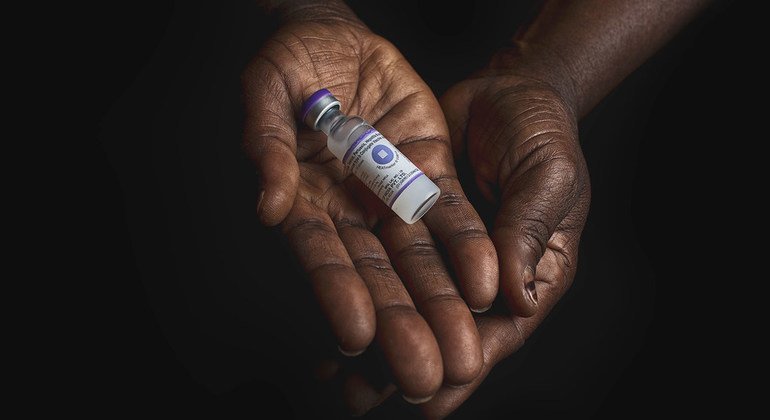
A rapid surge in diphtheria cases is gripping Mali, with over 530 reported infections and 30 deaths since early December. Health authorities warn the actual numbers may be far higher due to significant underreporting in conflict-affected regions.
The deadliest hotspots are concentrated in Mopti, Ségou, and Tombouctou—regions already devastated by insecurity, mobility restrictions, and collapsing public services. Here, vaccine shortages and limited healthcare access fuel the spread of this preventable disease, worsened by mass displacement and ongoing instability.
UN allocates $1 million emergency fund
In response, Tom Fletcher, UN Emergency Relief Coordinator, has authorized a $1 million grant from the Central Emergency Response Fund (CERF) to support urgent health interventions. The funds will help the World Health Organization (WHO) deploy emergency medical teams, distribute antibiotics and antitoxins, and scale up infection prevention, patient care, contact tracing, and community awareness campaigns.
However, critical humanitarian access remains severely constrained. Fuel shortages, movement restrictions, and security threats have severely limited field operations in central and northern Mali. Mobile clinics are operating at reduced capacity, supply chains are compromised, and isolated communities are cut off from life-saving care.
This diphtheria outbreak is unfolding amid a broader humanitarian emergency. With over a quarter of Mali’s population in need of assistance, the crisis highlights the severe strain on the country’s already fragile health infrastructure.