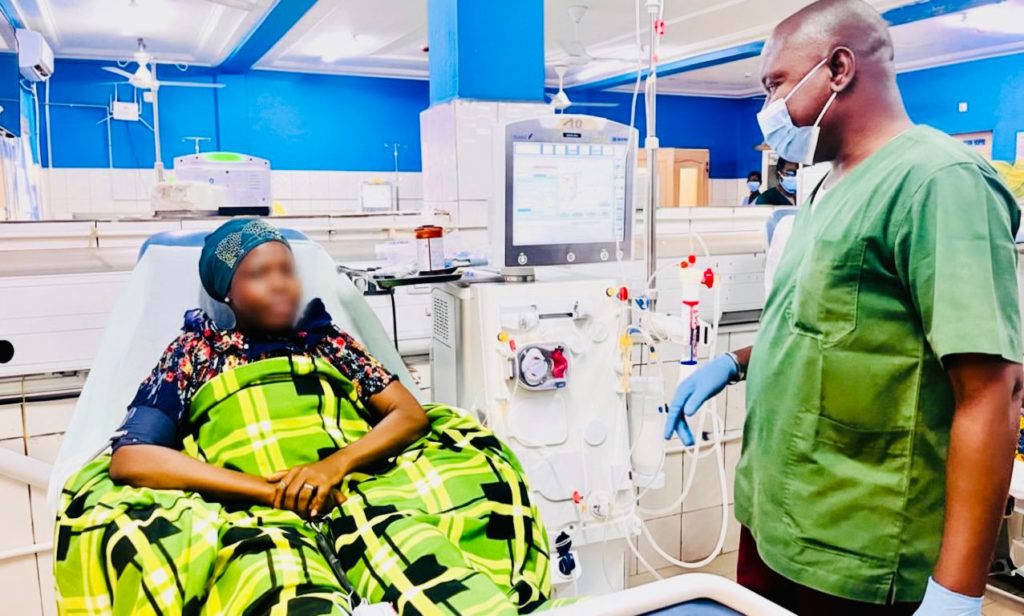
For years, accessing medical care in Burkina Faso was a distant dream for many citizens. The harsh reality? High examination fees and exorbitant upfront payments for specialized treatments like dialysis created an invisible but impenetrable barrier between illness and recovery. However, a transformative healthcare reform implemented on March 13, 2024, has begun to dismantle these financial obstacles, making essential medical services more accessible to all.
breaking down financial barriers to healthcare access
The Burkinabè government’s bold initiative addresses long-standing inequities by significantly reducing the cost of critical diagnostic procedures and eliminating advance payment requirements for dialysis in public health facilities. This landmark decision marks a turning point in the nation’s approach to healthcare affordability.
a personal tragedy that sparked systemic change
Madi Diallo’s heartbreaking story is one of thousands that highlight the urgency of this reform. Three years ago, his sister urgently needed dialysis but was denied treatment due to an unaffordable 500,000 F CFA deposit. Tragically, she passed away before receiving care. Today, that deposit no longer exists—a belated but vital reform for families who have endured similar losses.
official reductions that change lives
The reform, announced by Dr. Robert Lucien Jean Claude Kargougou, Minister of Health, includes sweeping reductions in medical imaging costs:
- CT scans reduced from 50,000 F CFA to 25,000 F CFA
- MRI scans reduced from 100,000 F CFA to 40,000 F CFA
- Dialysis caution eliminated entirely
These adjustments directly target the financial burdens that have historically excluded vulnerable populations from accessing timely and life-saving care.
real-world impact: from bogodogo to ziniaré
On the ground, the reform’s effects are immediate and palpable. At the Bogodogo University Hospital in Ouagadougou, patients like Élodie Nikiéma Ouédraogo, who recently underwent an MRI, report significant savings. She paid 40,000 F CFA for her scan—including consumables—a stark contrast to the 150,000 F CFA or more charged elsewhere. This reduction has given her financial breathing room, allowing her to continue supporting community initiatives like tontines.
At the Ziniaré Regional Hospital, the reform has not only lowered costs but also improved diagnostic capabilities. Patients no longer need to travel long distances to the capital for imaging services, reducing both expenses and delays in treatment. Director Mady Zorné notes a sharp decline in referrals to Ouagadougou since the reform took effect.
dialysis reform: a lifeline for patients with kidney disease
The elimination of the 500,000 F CFA caution for dialysis represents a monumental shift. At the Yalgado Ouédraogo University Hospital in Ouagadougou, Tuina Nsoma Hélène, head of the dialysis unit, confirms that 16 new patients have begun treatment without the previous financial hurdle. However, the demand far exceeds capacity—only 34 machines serve nearly 100 patients daily, with urgent cases handled outside scheduled rotations.
Dame Sanou Traoré, who has lived with kidney failure since 2018, began dialysis only after securing financial support from her family. Now, with the caution removed, she expresses profound relief and gratitude toward the authorities for recognizing the dignity of patients facing chronic illness.
voices of hope and continued challenges
Youl Sié, another dialysis patient, emphasizes the need for more decentralized dialysis centers. He points out the social and economic strain of traveling long distances for treatment: disrupted family responsibilities, missed educational opportunities for children, and financial strain on entire households. His plea is clear—expand dialysis services closer to communities where they are needed most.
Dr. Hamidou Sawadogo, a nephrologist at the Sourou Sanou University Hospital in Bobo-Dioulasso, confirms that while the reform has eased access, structural limitations persist. Only 17 new dialysis patients have been integrated since the reform, as most existing patients were already receiving treatment. He stresses the urgent need for more dialysis machines, additional qualified staff, and expanded facilities to meet growing demand.
a step forward with room to grow
The healthcare reform in Burkina Faso is a testament to progress, but it is only the beginning. While the cost reductions and elimination of advance payments have eased access to essential care, challenges remain—limited equipment, long waitlists, and uneven distribution of specialized services continue to strain the system. Yet, for those who now enter public hospitals without fear of crippling bills, the reform brings tangible hope and relief.
In a nation where health has long been a privilege, Burkina Faso is taking measured but meaningful steps toward making healthcare a universal right. Small progress today paves the way for a healthier, more equitable tomorrow.