The spread of diphtheria is accelerating across Mali at an alarming rate. Since mid-September, the country has been battling a rapid surge of this preventable infection, which is thriving amidst a crumbling healthcare system, chronic shortages, and increasingly restricted humanitarian access.
By early December, official records indicated more than 530 cases and over 30 fatalities. However, United Nations officials warn that the actual toll is likely much higher due to widespread underreporting of the disease.
The central regions of Mopti and Ségou, along with Tombouctou in the northwest, are reporting the highest mortality rates. these territories are already severely impacted by insecurity, movement restrictions, and the breakdown of public services. In these high-risk areas, the illness is spreading rapidly due to a lack of vaccines and limited medical resources, all of which are exacerbated by ongoing population displacement and instability.
Emergency funding of one million dollars released
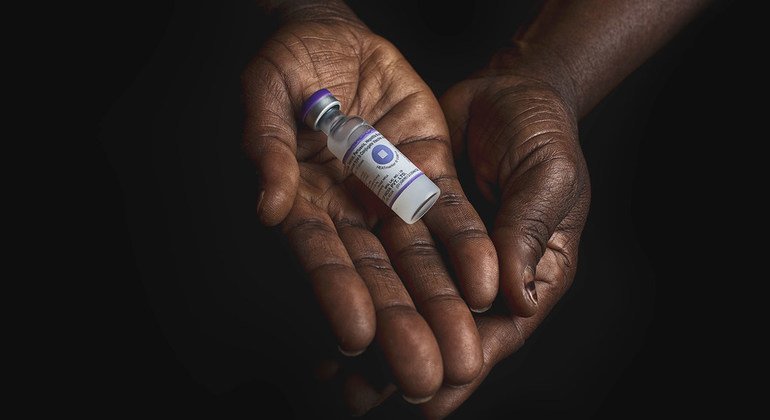
In response to the growing emergency, the UN relief chief, Tom Fletcher, has allocated one million dollars from the Central Emergency Response Fund (CERF) to support immediate health interventions. This financial injection is intended to help the World Health Organization (WHO) deploy emergency medical teams, provide vital antibiotics and antitoxins, and strengthen infection prevention measures. The funds will also support patient care, contact tracing, and community awareness campaigns.
However, these medical efforts are facing a harsh reality on the ground: humanitarian access in Mali is becoming increasingly difficult. Across large sections of the north and center of the country, fuel shortages, travel restrictions, and security concerns have slowed field operations in recent weeks. Mobile clinics have seen their reach significantly reduced, supply chains are failing, and the most isolated populations remain cut off from essential care.
The current diphtheria surge is part of a much larger humanitarian disaster. In a nation where over a quarter of the population requires urgent assistance, the epidemic once again underscores the extreme vulnerability of state infrastructure in Mali.