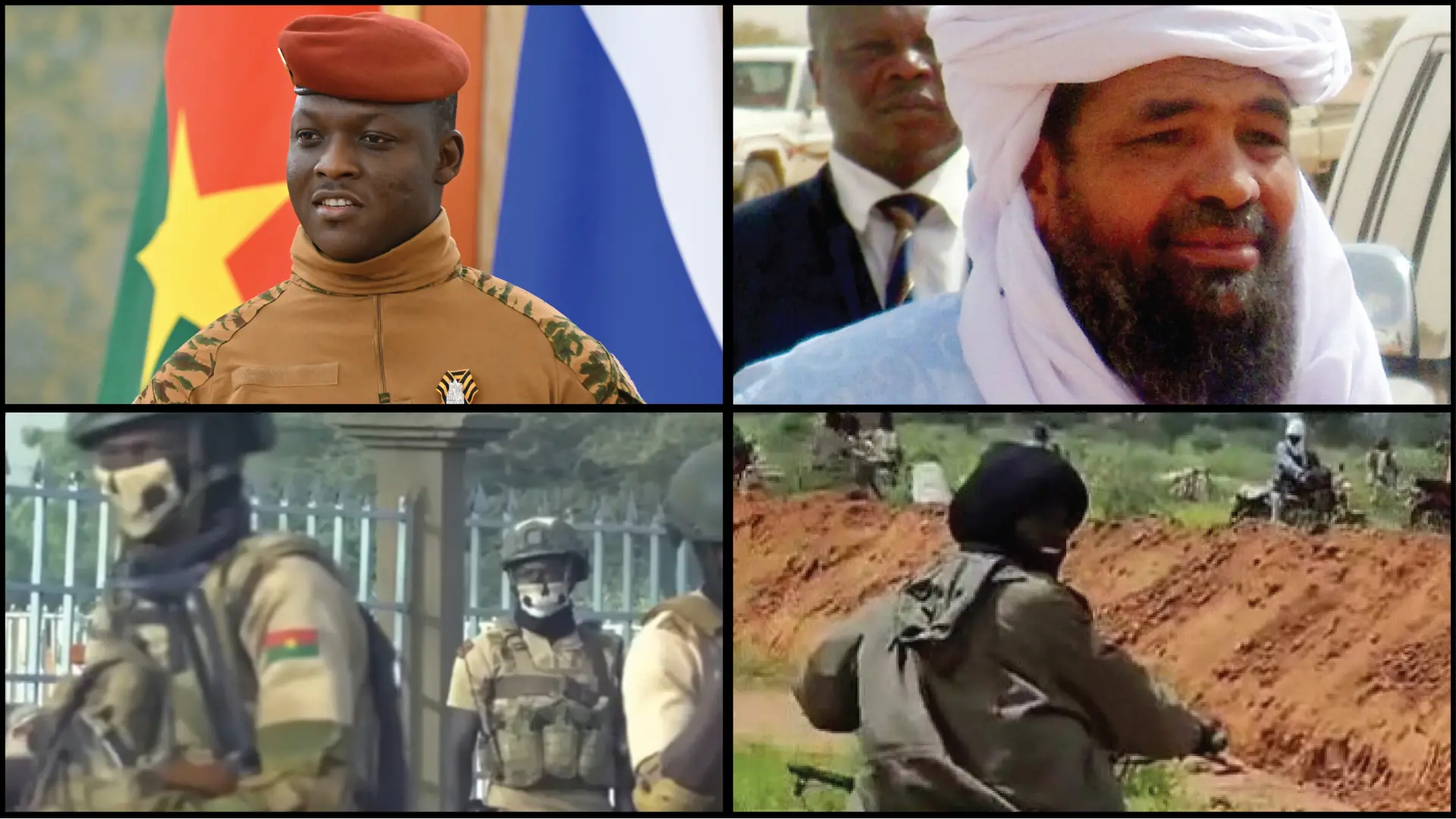
Captain Ibrahim Traoré, a 36-year-old military leader, now occupies the presidential palace, a position he secured outside of traditional elections, which he has since abolished. This shift in governance removes the need to appeal to voters, allowing for direct communication with journalists instead.
From the Koulouba palace, Traoré recently addressed six journalists, presenting an optimistic view of the nation’s progress. For two hours, he highlighted significant achievements: the military’s success in reclaiming territory, a booming industrial sector, increasing gold reserves, expanding infrastructure, and an unprecedented level of freedom for Burkinabè citizens. His narrative painted a picture of national resurgence.
A starkly contrasting report emerges
However, this positive portrayal was overshadowed by a comprehensive 351-page report released by Human Rights Watch (HRW) during Traoré’s monologue. Titled “No One Will Escape,” the report detailed the deaths of 1,837 civilians over two and a half years. It implicated various groups, including the national army, VDP militias, and JNIM jihadists. Crucially, the report highlighted systematic killings by state-affiliated forces, often supported by drone surveillance and direct orders.
The HRW investigation documented severe human rights violations, including alleged war crimes and crimes against humanity. It specifically pointed to the ethnic targeting of the Fulani community. Disturbing incidents cited include the summary executions of 223 civilians, among them 56 children, in Nondin in February 2024; hundreds of fatalities in Baraboulé in December 2023; and the massacre of 130 Fulani individuals near Solenzo in March 2025. The report was corroborated by mass graves, survivor testimonies, and satellite imagery. These findings strongly challenge the official narrative, suggesting a potential dismissal of such evidence as a “Western conspiracy.”
The paradox of ‘recaptured’ territories
Ironically, Traoré proudly named some of the very towns, such as Baraboulé and Pétégoli, that were extensively covered in the HRW report as having been