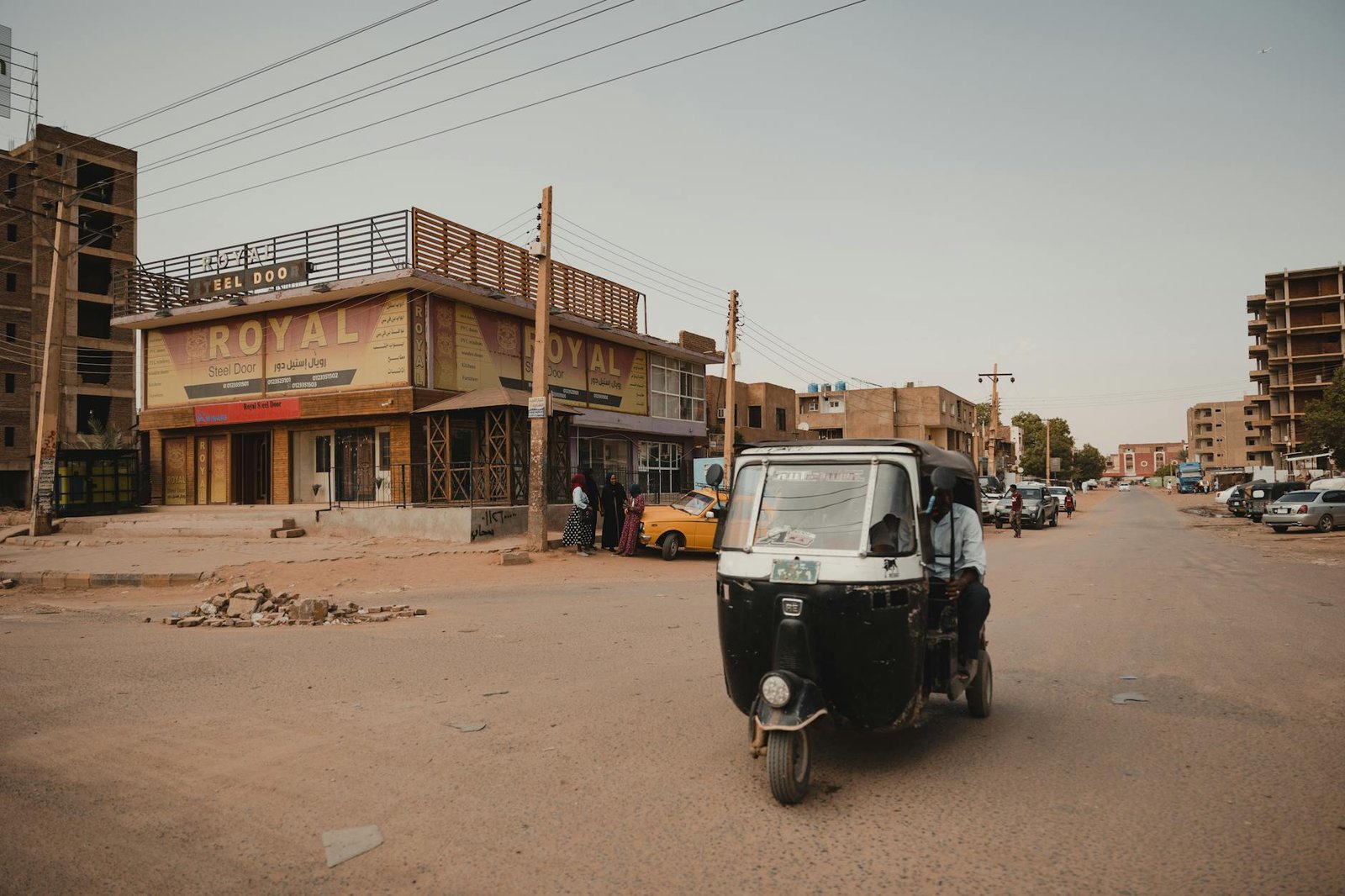
Between 2020 and the end of 2025, Cameroon is laying an impressive 488 kilometers of asphalt roads each year, as confirmed by official government reports. This accelerated pace reflects a deliberate push to transform the country’s transportation landscape, addressing a long-standing infrastructure gap that has constrained economic growth and regional connectivity.
Building a stronger backbone for Cameroon’s transport network
The total effort over this five-year span amounts to nearly 2,928 kilometers of newly paved roads, based on the annual target. This expansion targets critical routes — including intercity highways, urban feeder roads, and regional connectors — that link agricultural zones, ports, and previously isolated areas in the North and East. Asphalt is more than just a surface; it’s a strategic asset that enhances access to markets, supports supply chains, and strengthens national cohesion.
Cameroon’s road network has historically been dominated by unpaved tracks, especially in rural and northern regions. The current surge in paving marks a turning point, but the ratio of paved to total classified roads still lags behind regional peers in the CEMAC zone. This disparity keeps pressure on policymakers to maintain momentum and close the gap.
Boosting regional trade and economic competitiveness
Cameroon serves as a vital transit hub for landlocked neighbors like Chad and the Central African Republic, whose goods flow through the Port of Douala. Every kilometer of smooth asphalt on the Douala–N’Djamena and Douala–Bangui corridors translates directly into lower transport costs, faster delivery times, and greater predictability for traders. Poor road conditions during the rainy season drive up operational expenses and discourage investment, making high-quality paving a key lever for economic efficiency.
The government’s infrastructure drive is also central to its Vision 2030 development plan, which prioritizes road connectivity as a foundation for industrialization. Agro-industrial zones in the Southwest, Littoral, and Far North rely on reliable roads to move produce to markets and export hubs. Meanwhile, mining and timber operators assess road access when selecting project sites, making pavement quality a decisive factor in attracting foreign investment.
Funding the road revolution: investment mix and fiscal risks
The surge in road construction is financed through a blend of domestic budget allocations, concessional loans from multilateral institutions like the World Bank and African Development Bank, and Chinese-backed financing via Eximbank China. This diversified funding model has enabled rapid project delivery but also increases public debt and demands rigorous financial stewardship to avoid future strain.
Sustaining the current pace hinges on timely payments to contractors, who in recent years have raised concerns over delayed disbursements. Equally critical is ongoing maintenance. Without a dedicated and sustainable funding mechanism — such as the Road Fund — newly paved roads can deteriorate within five to seven years, turning initial investments into long-term liabilities. In response, authorities are exploring strengthened toll systems and earmarked levies to secure steady maintenance revenues.
The big question now is whether Cameroon can sustain — or even increase — the annual paving target amid tightening fiscal constraints and competing demands, particularly for rural roads and secondary networks that remain underdeveloped.