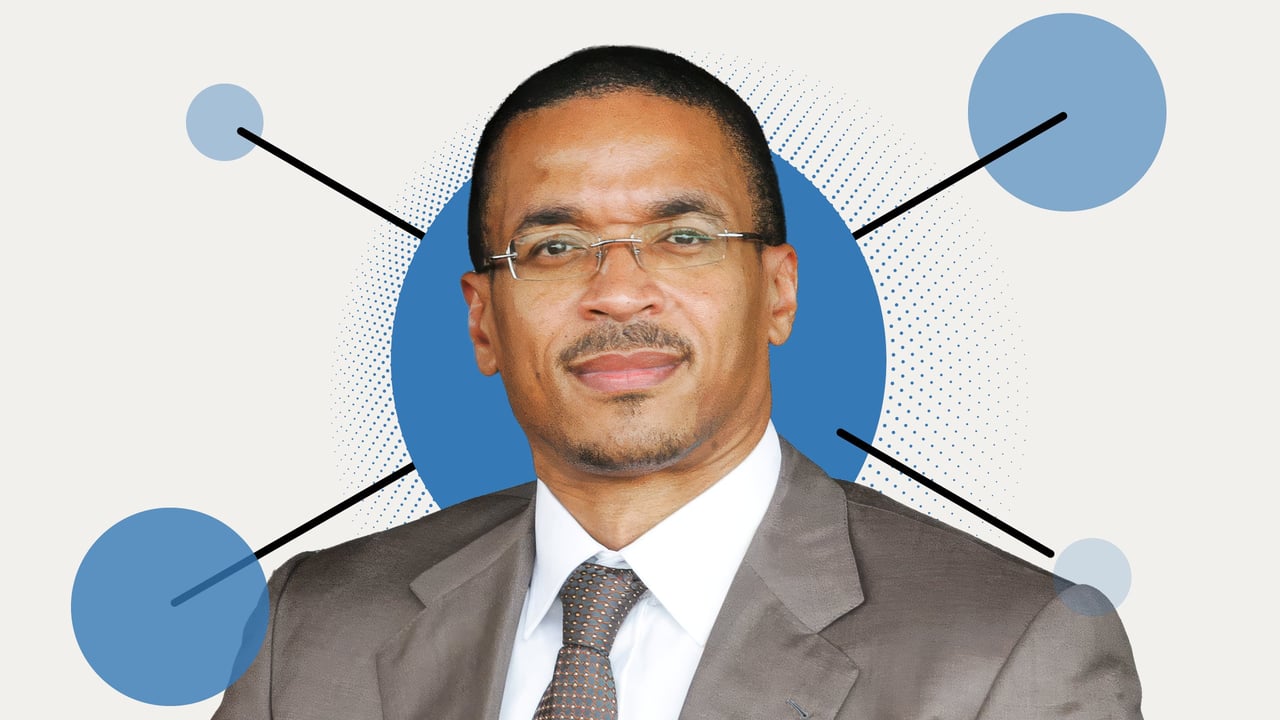
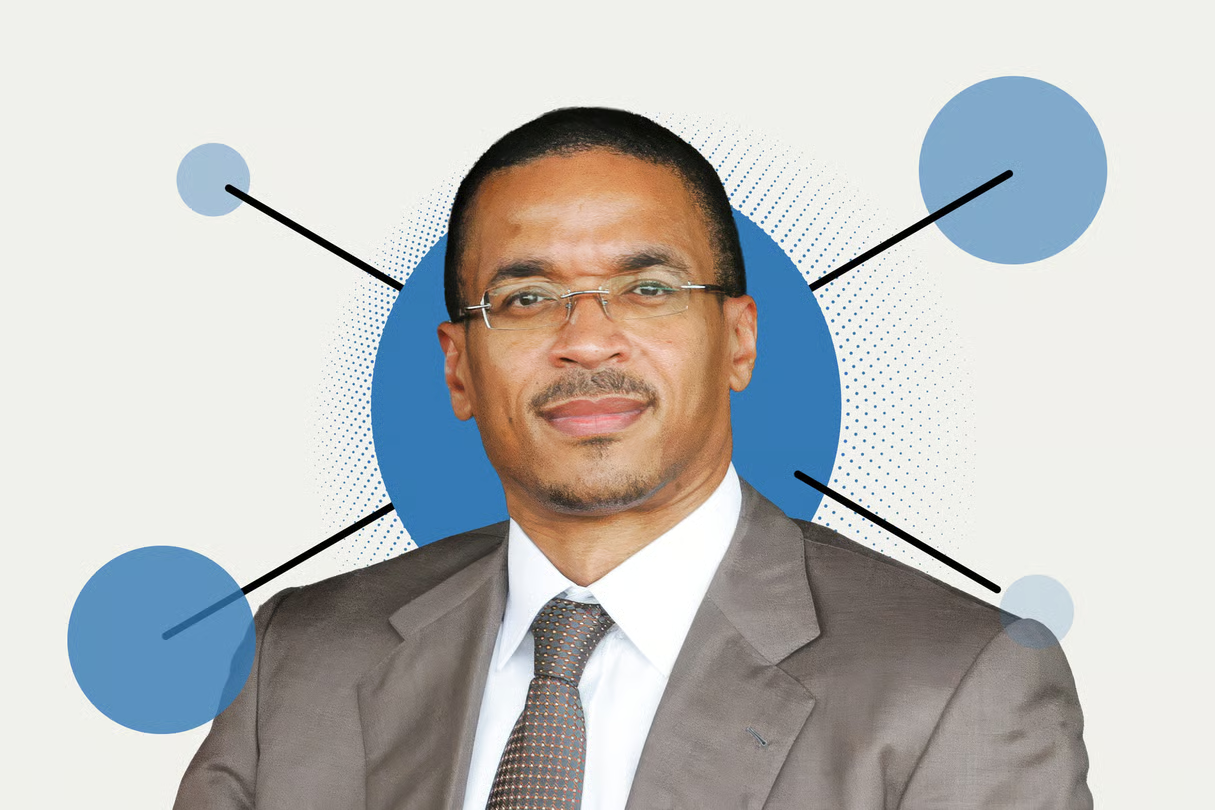
The son of Cameroon’s long-serving President Paul Biya has risen to prominence as one of the most influential figures in the country’s political landscape. Franck Biya, whose mother is First Lady Chantal Biya, is increasingly seen as a potential candidate for the vice presidency in the upcoming government reshuffle.
With decades of experience in both public and private sectors, Franck Biya has cultivated a network that spans political, economic, and diplomatic circles. His name frequently surfaces in conversations about Cameroon’s future leadership, particularly as the nation prepares for critical administrative transitions.
Political weight and family influence
Franck Biya’s political standing is deeply tied to his family’s legacy. As the son of President Paul Biya, who has led Cameroon since 1982, he has grown up in an environment where power and influence are central themes. His mother, Chantal Biya, has also played a significant role in shaping the country’s socio-political discourse through her advocacy and public engagements.
The younger Biya has been active in both domestic and international arenas, often representing Cameroon in high-level engagements. His involvement in key policy discussions and diplomatic missions has further solidified his reputation as a rising leader within the ruling party.
Speculation and strategy
Recent political maneuvers have fueled speculation about Franck Biya’s potential role in the next administration. While no official announcement has been made, insiders suggest that his appointment as vice president would be a strategic move to ensure continuity in governance. This would also reinforce the influence of the Biya family in Cameroon’s political structure.
The vice presidency in Cameroon holds substantial administrative and advisory authority, making it a critical position in the government hierarchy. Franck Biya’s selection would likely be met with approval from key stakeholders who view him as a stabilizing figure amid ongoing political and economic challenges.
Public perception and challenges
Public opinion on Franck Biya’s potential rise is divided. Supporters highlight his experience, education, and commitment to national development, pointing to his contributions in sectors such as infrastructure and diplomacy. Critics, however, raise concerns about the concentration of power within a single family and the implications for democratic governance.
As Cameroon navigates a period of transition, the debate over leadership succession remains a focal point. Franck Biya’s emergence as a key contender underscores the complex interplay between tradition, ambition, and the evolving expectations of citizens.