Can Benin hold its ground as West Africa’s newest startup funding powerhouse?
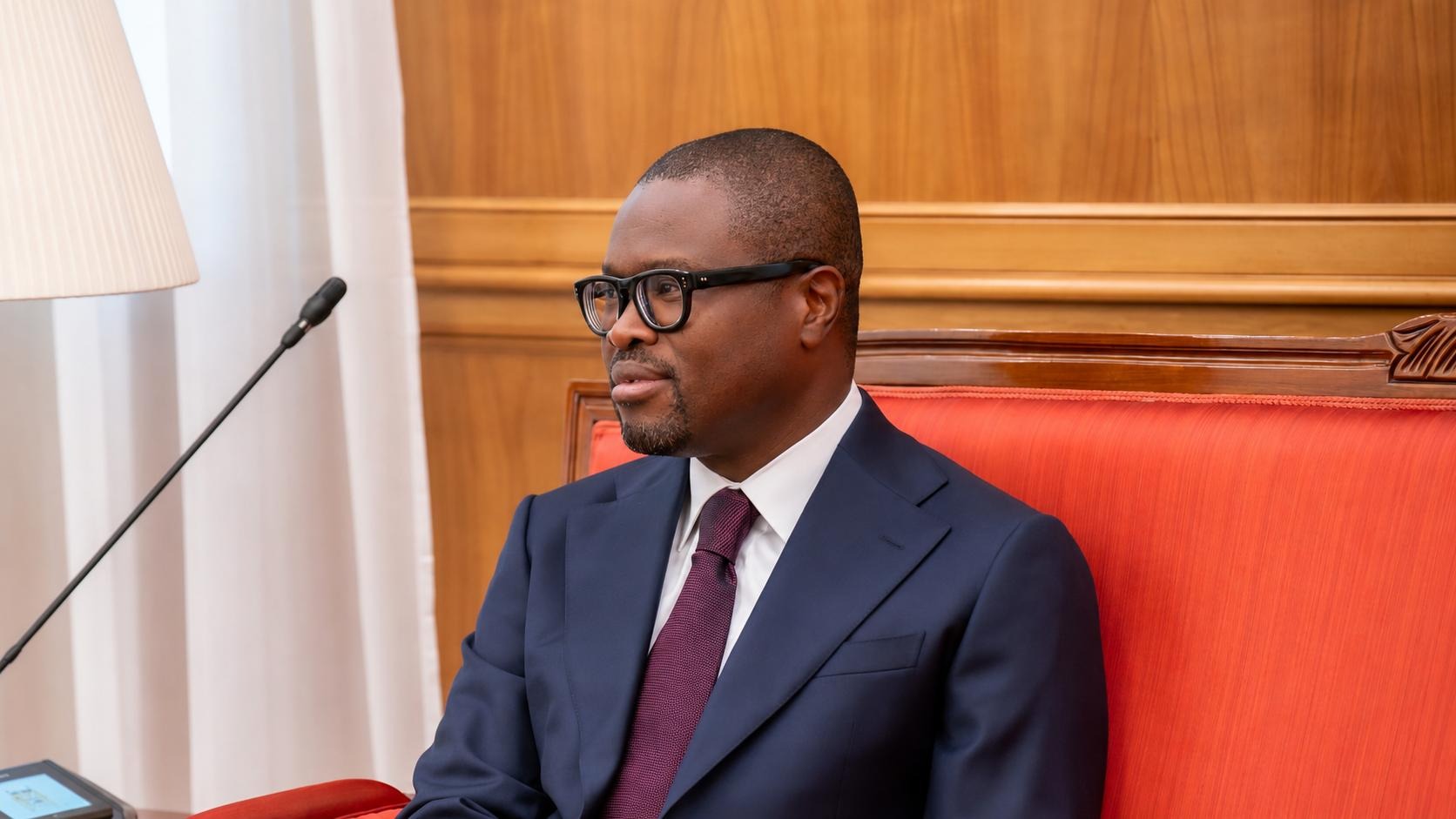
Something unusual is happening in the map of African venture capital. For years, startup fundraising on the continent followed a predictable script: the so-called “Big Four” — Nigeria, Kenya, South Africa and Egypt — took the lion’s share, with Senegal and Morocco acting as the strongest francophone challengers. That script has just been rewritten. Benin, a country of roughly 13 million people, has overtaken Egypt and Morocco in total capital raised by its startups, according to data compiled by Financial Afrik. The question now is whether this is a one-off statistical blip or the beginning of a lasting shift in how global investors view West Africa’s francophone tech scene.
Why the old hierarchy of African startup funding no longer holds
For more than a decade, the venture capital landscape across Africa was effectively a closed club. The Big Four attracted the overwhelming majority of deals, while a second tier of hubs — Dakar, Casablanca, Tunis — fought for the scraps. Cotonou barely registered. That has changed. Benin’s ecosystem has jumped ahead of mature markets such as Egypt, which is used to nine-figure funding rounds, and Morocco, which has spent years building its own startup infrastructure. The numbers are not marginal: Benin’s rise represents a genuine reordering of the continent’s private equity map.
What is actually driving Benin’s funding breakthrough
The surge is not accidental. It reflects the maturation of several strategic bets made in Cotonou over the past few years, particularly in fintech, logistics technology, agricultural technology and digital public services. International and regional venture funds that had long hesitated to commit capital to francophone West Africa outside Dakar are now writing cheques in Benin. The country has demonstrated its ability to produce bankable, high-value projects that can be replicated across the region — a crucial factor for investors who think in terms of market size and scalability.
The three pillars behind Cotonou’s unexpected rise
Behind the headline figures lies a deliberate policy architecture. Benin has methodically built an environment that reduces risk for founders and investors alike.
- A regulatory framework designed to attract capital: The operational launch of Benin’s Startup Act, combined with preferential tax and customs regimes, has sharply cut the cost of launching a company and provided stronger legal guarantees for foreign investment.
- Sèmè City as an ecosystem catalyst: The international innovation and knowledge city has given structure to the local tech scene, offering incubators, accelerators and direct links between academic research and the private sector.
- Infrastructure modernisation: The large-scale digitisation of administrative procedures and steady improvements in connectivity have turned Benin into a real-world laboratory for testing and deploying high-impact digital solutions.
From regional outsider to serious investment destination
By outpacing ecosystems as mature as Egypt’s and Morocco’s, Benin is sending a clear signal to the global investment community: domestic market size is no longer a deal-breaker if startups design business models built for sub-regional integration. The UEMOA and ECOWAS zones give Benin-based companies access to a combined market of hundreds of millions of consumers, and investors are starting to price that in. Cotonou is no longer a peripheral name on a pitch deck — it is becoming a destination.
The real test: turning a moment into a movement
The hard part comes next. Benin’s challenge is to convert this cyclical success into structural momentum. That means deepening the local talent pool, supporting startups through the difficult scaling-up phase, and maintaining the stability of the business environment that made the surge possible in the first place. If Cotonou can do that, its current position at the top of African tech funding will look less like a surprise and more like the new normal.