Can West Africa’s own money finally fund its future? Inside the Cotonou drive to turn local savings into financial sovereignty
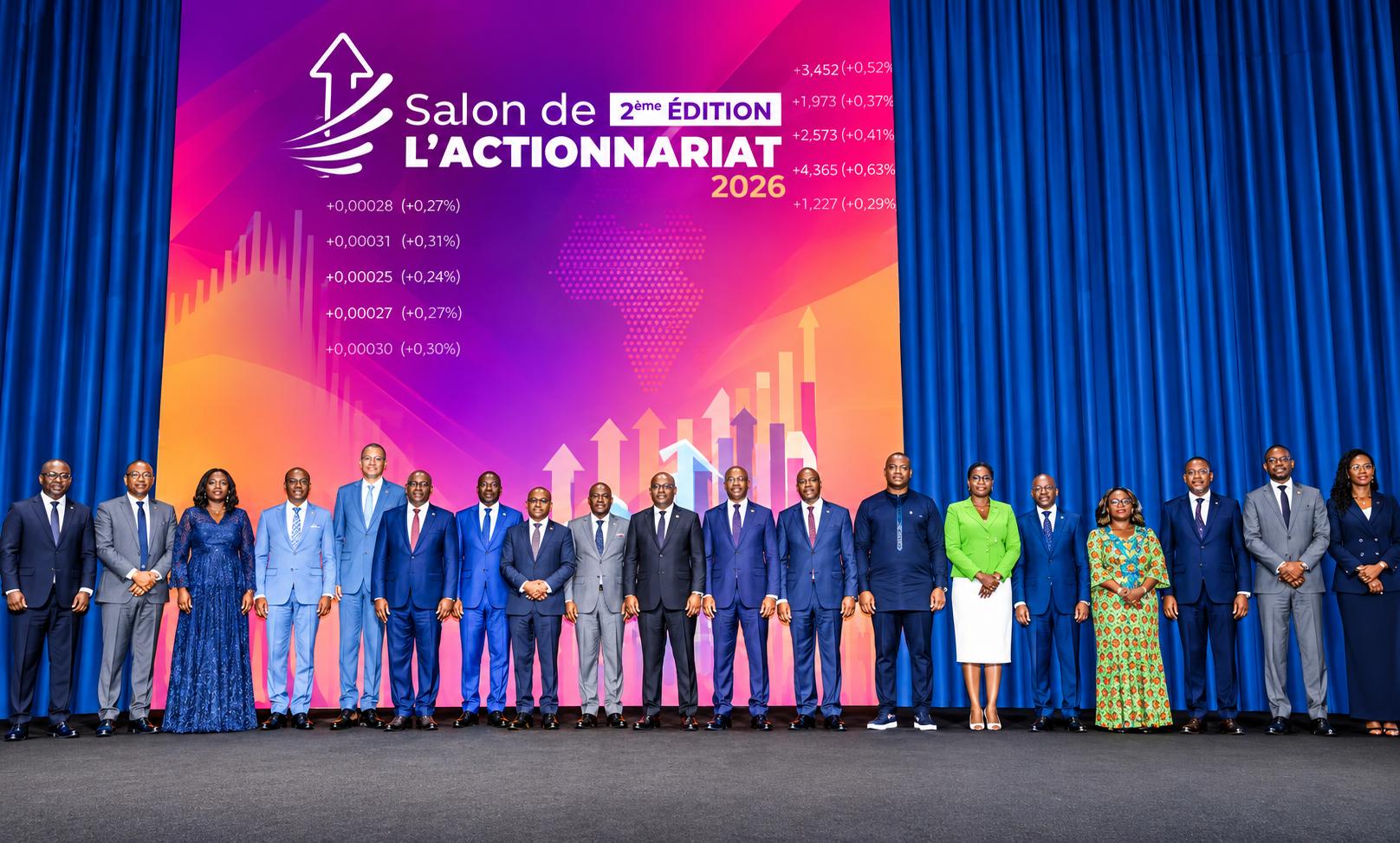
What if the capital West Africa needs to build its future is already sitting in its own bank accounts, waiting to be put to work? That is the uncomfortable question hanging over Cotonou, where a two-day gathering on 17–18 September 2026 brought institutional players, business leaders and market specialists together for the second edition of the Regional Shareholding Forum. Their answer, if it holds, could reshape how the West African Economic and Monetary Union (UEMOA) finances itself.
The event, staged under the banner “Shareholding and Financial Sovereignty: Mobilising Savings to Accelerate Economic Transformation” and co-organised by UCA SGI and Dimensions GROUP, put a persistent paradox under the spotlight: even as the UEMOA zone posts dynamic growth, its regional financial markets still struggle to capture the full weight of domestic savings.
Why the region’s own capital keeps slipping away
For the organisers and regulators in the room, the diagnosis was blunt. Building a broader popular shareholder base is not a nice-to-have — it is the decisive lever. Money that sits idle, or that chases very short-term placements, could instead become productive capital, giving small and medium-sized enterprises and large local groups the equity they need to expand.
The three fronts where the battle will be fought
Discussions at the forum converged on a set of priorities that organisers see as the backbone of any credible strategy:
- Opening up capital markets: smoothing the path to listing for local companies and injecting fresh momentum into the Regional Stock Exchange (BRVM).
- Inclusion and innovation: using digital tools to bring investment opportunities within reach of the general public, while pushing financial education forward.
- Regulation and public policy: retuning tax and legal frameworks so that savings are steered, over the long term, towards infrastructure and private-sector financing.
A question of strategic independence, not just economics
Representatives of the Central Bank of West African States (BCEAO), the UEMOA Commission and the financial markets authority stressed that this is a structural matter, not a cyclical one. By making the financing of local economies more self-reliant, states and companies across the sub-region harden their defences against external shocks and the volatility that comes with international markets.
From saver to shareholder: the bet now on the table
As the Cotonou sessions wrapped up on the Friday, one point commanded broad agreement: there is no time to waste in encouraging every citizen to become a direct player in regional economic growth through shared investment. Whether that ambition translates into real change will depend on how quickly the region’s savings habits — and its market architecture — can be rewired.