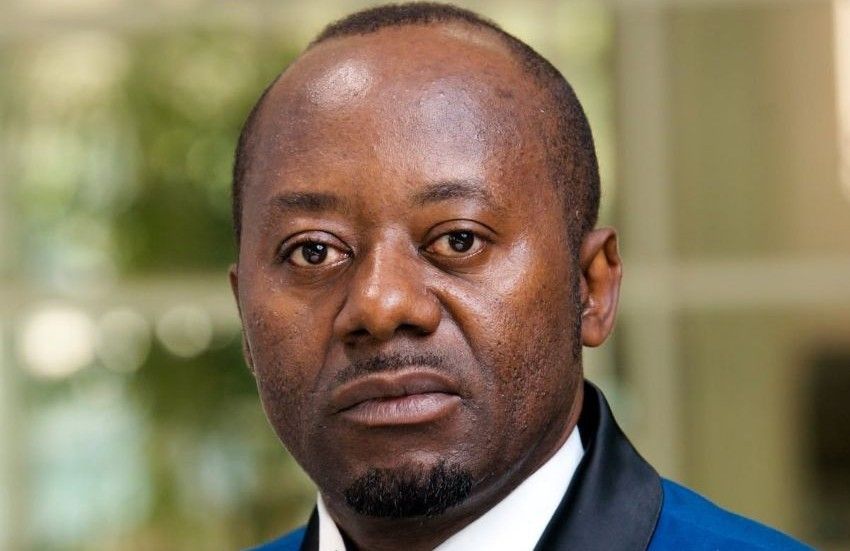
Libreville faces a critical question as its judicial system undergoes a pivotal transformation: will the arrival of Alain-Georges Moukoko, a magistrate with a unique environmental justice background, finally align the capital’s prosecutor’s office with the pressing needs of 21st-century Gabon?
The Gabonese judiciary finds itself at a crossroads. On September 16, 2026, the Superior Council of the Judiciary (CSM) announced the appointment of Alain-Georges Moukoko as Prosecutor General of the Judicial Court of Appeal in Libreville. His predecessor, Eddy Narcisse Minang, leaves behind an institution under intense scrutiny to deliver faster, more transparent justice.
From Environmental Crusader to Chief Prosecutor
At 52 years old, Alain-Georges Moukoko brings an unparalleled profile to this role. Trained at Gabon’s National School of Magistracy, he spent nearly a decade as a public prosecutor (2007-2016) before ascending to the Court of Appeal in Mouila. His international credentials include prestigious fellowships such as the Humphrey Fellowship in the United States, where he specialized in humanitarian law, leadership, and combating transnational crime.
Moukoko’s reputation was built on high-profile environmental cases. As founder of the Association of Gabonese Green Magistrates, he tackled illegal logging, unregulated fishing, poaching, and wildlife trafficking—crimes that often transcend national borders. His relentless fight against child labor and human trafficking earned him the 2015 Iqbal Masih Award from the U.S. Department of Labor, recognizing his role in dismantling forced labor networks and training public officials in victim protection.
A Fresh Mandate Amid Judicial Challenges
The CSM has not only elevated Moukoko but also outlined clear expectations. President Brice Clotaire Oligui Nguema has emphasized the need for swifter case processing, stricter judicial oversight, and adherence to reasonable deadlines. The new leadership team includes three Deputy General Attorneys—Hortense Komba Bango Ngossanga, Olivier Nzaou, and Angélique Ndouna—and two General Substitutes, Rodrigue Ondo Mfoumou and Andy Kinette Ntsame Mamadou.
Moukoko inherits a prosecutor’s office grappling with complex economic and environmental cases. Gabon’s push to strengthen forest protection, regulate fisheries, and develop mining while combating illegal exploitation places immense pressure on its legal institutions. His dual expertise in environmental law and public prosecution positions him uniquely to address these challenges.
Beyond Symbolism: Measuring True Impact
The transition from Eddy Minang to Alain-Georges Moukoko carries symbolic weight. While Moukoko’s appointment is definitive, the CSM’s decisions regarding his predecessor remain pending, ensuring procedural integrity. However, the real test lies in execution.
As Prosecutor General, Moukoko must shift from high-profile cases to systemic reform. Success will hinge on:
- Operational efficiency: Reducing case backlogs and ensuring timely justice delivery
- Strategic coordination: Aligning the prosecutor’s office with national priorities in environmental protection and anti-corruption
- Public trust: Upholding procedural guarantees and delivering verdicts that resonate with citizens
For Gabon’s judiciary, Moukoko’s appointment is more than a personnel change—it’s an opportunity to redefine justice in a country balancing economic ambitions with environmental preservation. The next chapter will reveal whether his green justice legacy can translate into tangible improvements for Libreville’s courts.