Gold and governance: the unspoken cost of Burkina Faso’s alliance with Russia
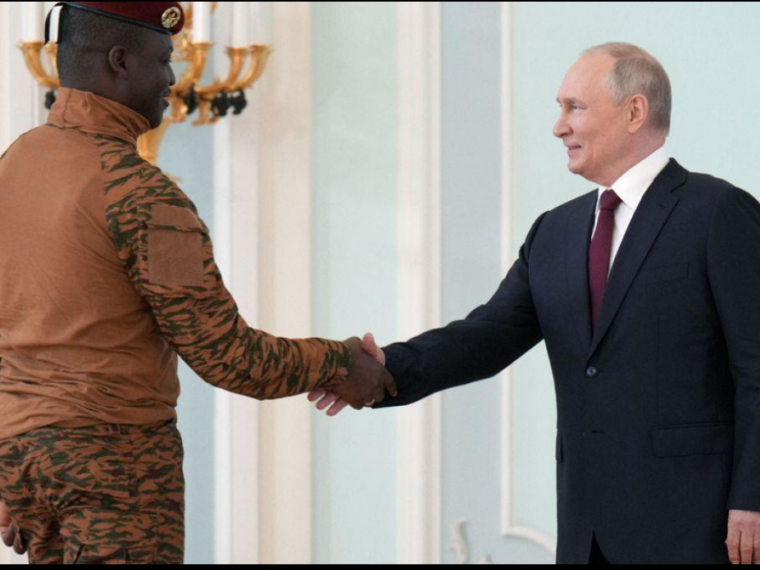
In Burkina Faso, gold isn’t just a national resource—it’s a pillar of political survival. Since Captain Ibrahim Traoré took power in September 2022, Ouagadougou’s growing ties with Moscow have transformed the country’s security and diplomatic landscape. At the heart of this shift lies a critical question: How deeply are Burkina Faso’s gold reserves entangled in the new security arrangements with Russia?
Bissa mine dispute: a window into Russian security firm rivalries
The Bissa gold mine, operated by Russian-owned Nordgold, has become a flashpoint in this evolving relationship. Behind the scenes, a bitter rivalry between Russian security firms—including RSB-Group, which was recently excluded from the site’s protection contract—exposes the deeper layers of this alliance. Documents suggest RSB-Group lobbied Burkinabè officials by highlighting security risks linked to rival firms’ operations, including accusations tied to attacks on Fulani villages. While these claims require independent verification, they underscore how mining security, local stability, and regime protection are increasingly intertwined.
Moscow’s dual role: protecting Traoré and advancing economic interests
Russia’s engagement in Burkina Faso extends beyond military cooperation. Analysts point to a pattern in African partnerships where Russian support blends security assistance, political backing, and economic leverage—particularly in extractive industries. Reports from mid-2024 indicate Russian paramilitary personnel were deployed during a key Ouagadougou event, some directly assigned to presidential security and intelligence-linked structures. While their primary stated goal is counterterrorism, their presence also aligns with the regime’s need to secure its leadership amid instability.
The economic dimension is equally significant. Nordgold, a group controlled by Russian oligarch Alexei Mordachov, operates two major gold mines in Burkina Faso. The government’s 2023 decision to seize 300 kg of gold from Bissa—ostensibly for public necessity—reinforces the strategic value placed on gold as a state resource. For Russian firms, securing mining operations isn’t just about production; it’s about safeguarding investments that tie directly to Moscow’s geopolitical influence.
Security contracts: a silent bargaining chip in Traoré’s regime
The Bissa dispute reveals a fragmented Russian presence. Not all firms share Moscow’s broader objectives. Some prioritize commercial gains, while others seek to curry favor with Burkinabè elites. The exclusion of RSB-Group and its counter-move to challenge its rivals through local allies highlight how security contracts are more than transactions—they’re instruments of influence.
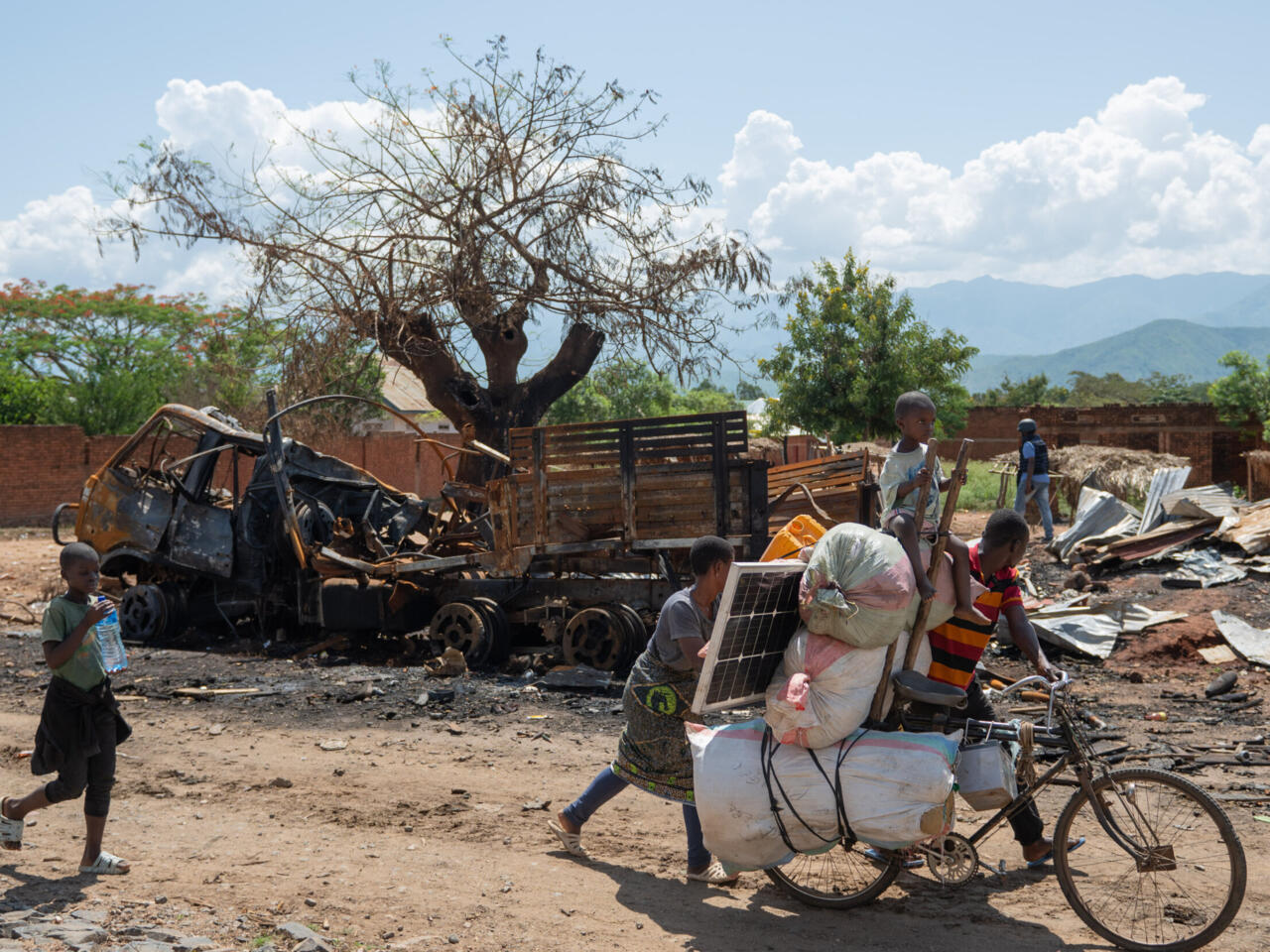
The implications for nearby communities are grave. Mining security should not exacerbate local violence or undermine fragile social balances. Yet the blurred lines between security operations and economic protection raise concerns about human rights and community welfare in mining zones.
An evolving partnership with opaque terms
While no public agreement explicitly ties Traoré’s personal security to Russian access to Burkina Faso’s gold, circumstantial evidence suggests a mutually beneficial framework. Russia provides the regime with critical security infrastructure and legitimacy, while Russian-linked enterprises gain privileged access to lucrative mining concessions. The convergence of these interests creates a de facto pact—one where security, power, and economics reinforce each other.
The Bissa mine conflict, though a corporate dispute, embodies a larger truth: Burkina Faso’s engagement with Russia is not merely a military alignment. It’s a negotiation over resources—gold, security, and influence—that are reshaping the country’s political future.