The government of Togo faces renewed scrutiny from the Economic Community of West African States (ECOWAS) as the regional judicial body demands clarity on compliance with a landmark constitutional ruling.
In a formal letter dated October 23, 2026, addressed to Togo’s Minister of Justice, the Acting Chief Registrar of the ECOWAS Court of Justice, Dr. Ousmane Diallo, requested detailed information on the measures taken to implement the court’s January 29, 2026 judgment (ECW/CCJ/JUD/01/26). The ruling had found Togo in violation of Article 23 of the African Charter on Democracy, Elections and Governance, calling for future constitutional reforms to align with international democratic standards.
What the ECOWAS Court Ruled — and Why It Matters
The January 2026 decision centered on Togo’s 2024 constitutional overhaul, which replaced a presidential system with a parliamentary one. While maintaining President Faure Gnassingbé in office as head of government through a new parliamentary presidency, critics argue the reform effectively preserved executive power without new elections.
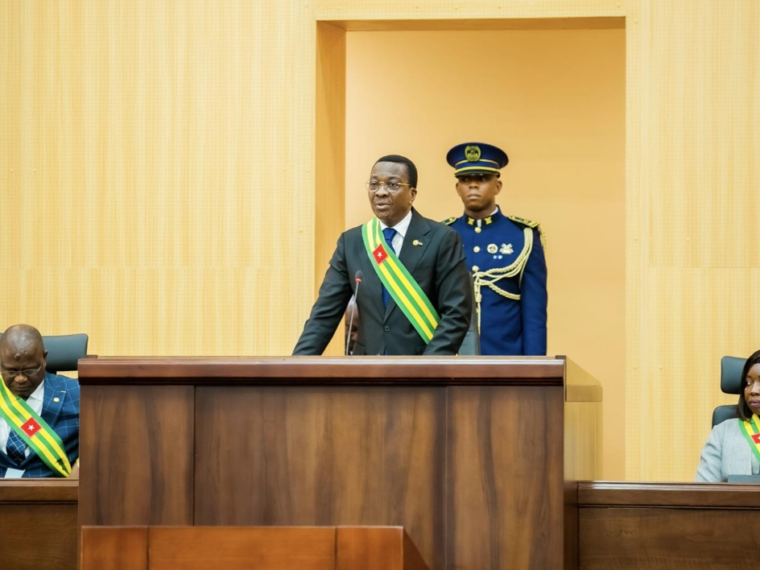
Under the new constitution, adopted on March 25, 2024, powers were shifted to the position of President of the Council of Ministers—effectively a prime minister—appointed based on parliamentary majority. On May 3, 2025, Gnassingbé assumed this role, leading opponents to accuse the change of being a legal maneuver to retain control after 20 years in power, following a political dynasty since 1967.
The ECOWAS Court did not invalidate the 2024 Constitution nor restore the old presidential system. Instead, it ruled that Togo violated its democratic commitments and ordered the government to take all necessary measures to ensure future reforms respect international obligations. This is the focus of the October follow-up.
Diplomatic Tensions and a Shifting Regional Landscape
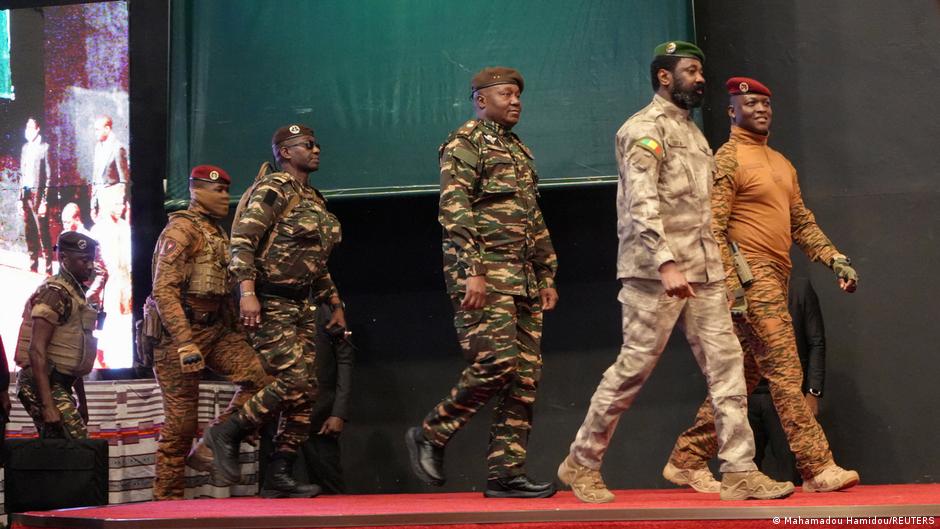
The controversy has taken on geopolitical significance as Togo strengthens ties with the Alliance of Sahel States (AES)—Mali, Burkina Faso, and Niger—all governed by military juntas that have distanced themselves from regional democratic norms.
Lomé’s engagement with the AES, announced publicly in January 2025 and formalized in an April 2026 cooperation strategy, emphasizes regional stability and dialogue. However, the alignment raises concerns: both Togo and AES governments share characteristics such as centralized power structures, weakened checks and balances, and tensions with Western influence.
While Togo remains a member of ECOWAS, its growing partnership with outlier regimes within the bloc highlights a strategy of political balance that challenges regional cohesion and democratic expectations.
What’s Next for Togo Under International and Domestic Pressure
The ECOWAS Court’s October correspondence is not merely procedural—it places Faure Gnassingbé’s government at a crossroads. The response will signal whether Lomé intends to address democratic deficits or double down on a governance model increasingly scrutinized across West Africa.
With West Africa experiencing political upheaval—military takeovers, contested transitions, and democratic backsliding—Togo’s handling of this legal and ethical obligation could redefine its regional standing and internal legitimacy.
The central question remains: Will the government use this moment to strengthen democratic institutions and accountability, or will it continue a trajectory that fuels ongoing debates over power concentration and governance?
The answer from Lomé could set the tone for Togo’s future within ECOWAS—and its role in a region grappling with the legacy of strongmen and unmet democratic promises.