Dakar — Months after reshuffling his cabinet and distancing former Prime Minister Ousmane Sonko from key government roles, President Bassirou Diomaye Faye continues to reshape the nation’s strategic economic institutions. A recent leadership overhaul at critical state-owned enterprises signals a deliberate pivot toward professional governance in the extractive sector.
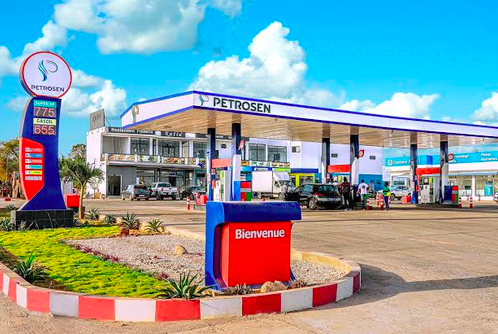
On July 1, 2026, the President executed a sweeping change in leadership at two major institutions: the National Petroleum Company of Senegal (Petrosen Holding) and the Mining Company of Senegal (Somisen). The move—documented in recent reports—replaces long-serving figures with seasoned technical experts, marking a clear break from political appointments that had defined the previous administration.
a calculated departure from partisan influence
The removals came as no surprise to insiders, though their timing caught many off guard. Alioune Gueye, who led Petrosen Holding, has been succeeded by Thierno Seydou Ly, an engineer with prior experience at TotalEnergies. Similarly, Ngagne Demba Touré, former head of Somisen, has been replaced by Mamady Touré, a geology engineer and former managing director of a specialized engineering and training firm in mining and geosciences.
The dismissals reportedly took place without prior notice, with both outgoing leaders learning of their removal through public channels rather than official communication from the presidency. The shakeup appears to reflect growing tensions between the President and his former ally, Ousmane Sonko, who had previously placed party loyalists in these positions.
According to close observers, Gueye and Touré were removed due to their perceived loyalty to Sonko, whose influence over state institutions has steadily waned since the start of Faye’s term. In 2024, the President had granted Sonko broad latitude to appoint party members to ministerial and public enterprise roles. However, recent actions suggest a deliberate reversal of that policy.
restoring technical credibility to boost investor confidence
One of the most striking aspects of this leadership transition is the shift toward technocratic profiles. While Gueye was a certified public accountant and Touré a lawyer, their successors bring deep technical expertise to their roles. Thierno Seydou Ly’s background in oil engineering and Mamady Touré’s specialization in geology and mining engineering are expected to strengthen the country’s extractive sector governance.
This strategic realignment is seen as part of a broader effort to restore investor confidence, particularly amid ongoing contract reviews initiated under the previous administration. The move signals to international partners that Senegal is prioritizing professionalism and transparency in managing its natural resources.
Observers note that the new leaders are not only highly skilled but also possess less polarizing profiles, enabling smoother diplomatic engagement with foreign investors and development partners. The appointment of Ly to Petrosen Holding is particularly symbolic, as he was previously removed from Petrosen Exploration-Production in 2025 by Sonko’s allies, who sought to dismantle the leadership structures established under former President Macky Sall.
what’s next for Senegal’s extractive sector?
While the presidency has not issued an official statement on the motivations behind the reshuffle, insiders speculate that further changes may be on the horizon. Two other senior officials—Waly Diouf Bodiang, Director General of the Autonomous Port of Dakar, and Fadilou Keïta, head of the Deposit and Consignment Fund (CDC)—have close ties to Sonko and could be next in line for similar restructuring.
The leadership overhaul at Petrosen Holding and Somisen reflects a broader trend under President Faye: a commitment to depoliticizing the extractive sector and aligning it with international best practices. As Senegal navigates complex contract negotiations and seeks to attract foreign investment, this shift toward technocratic leadership may prove pivotal in shaping the country’s economic future.