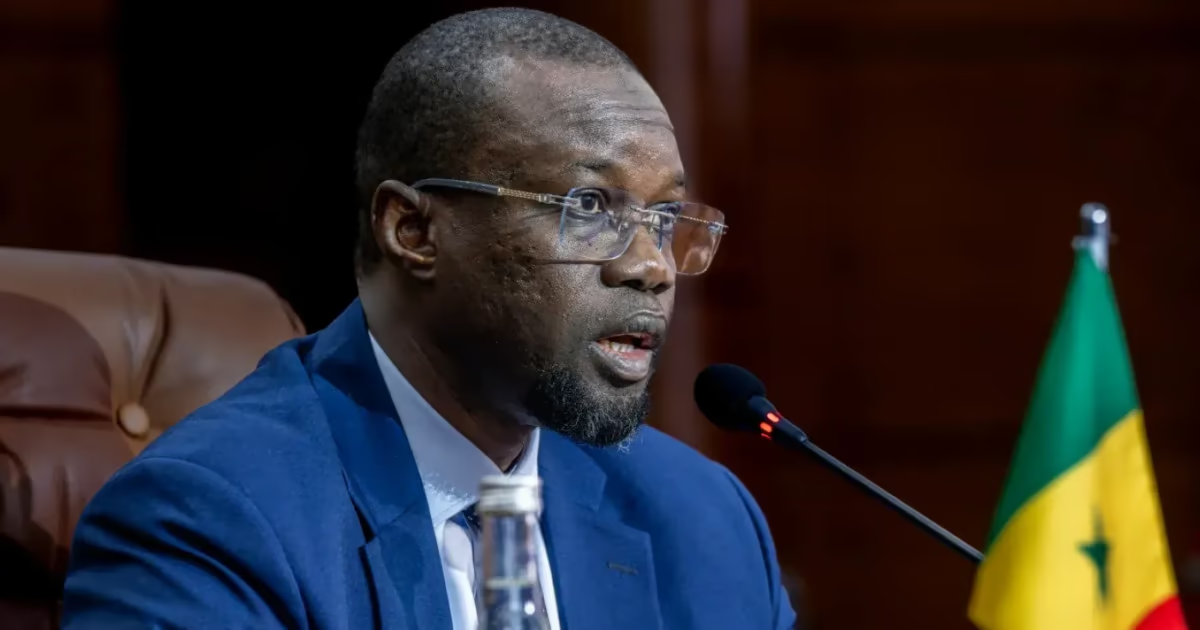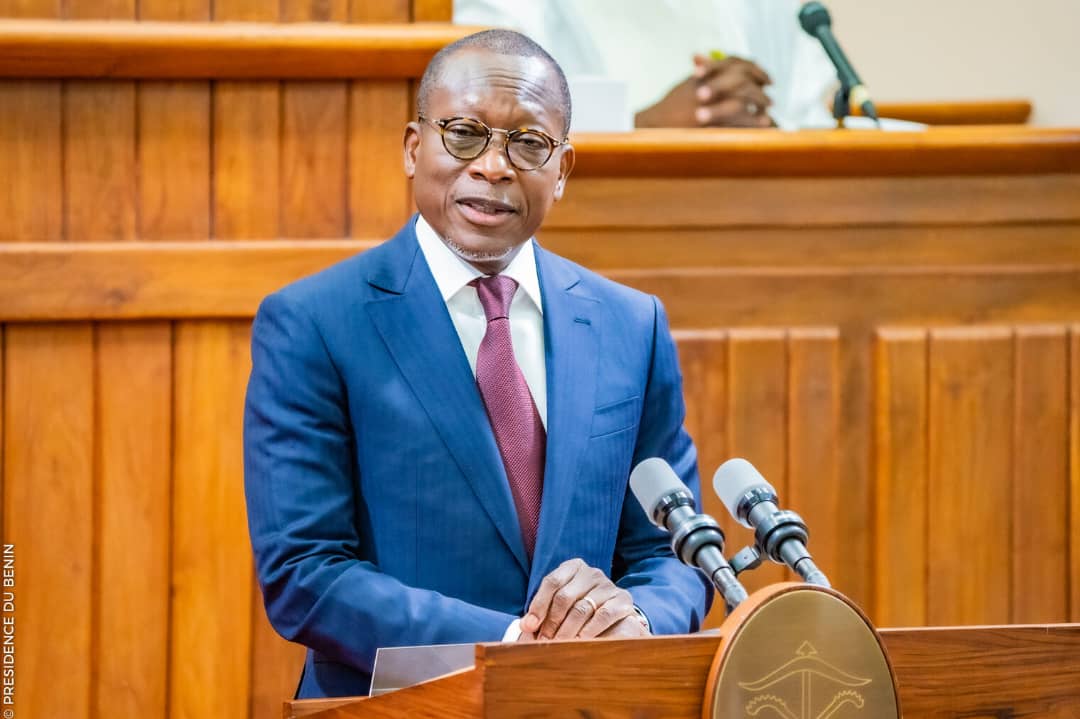
A deepening rift between President Bassirou Diomaye Faye and Prime Minister Ousmane Sonko is stirring concerns about Senegal’s democratic future. In a recent analysis published by MyJoyOnline, researchers Chukwuemeka Eze and Malick Fall argue that what appears to be a personal dispute carries far-reaching implications for the nation’s governance and stability.
From partnership to polarization
Their examination traces back to the pivotal moment when Sonko, barred from running in the 2024 presidential election due to legal challenges, chose to endorse Faye—a lesser-known figure at the time—rather than escalate political confrontation. This strategic move, seen as an act of political sacrifice, helped propel Faye to victory and cemented the Pastef movement’s place in Senegalese politics.
Yet today, the relationship between the two leaders has devolved into public discord. Eze and Fall emphasize that this isn’t merely a clash of personalities—it reflects broader tensions over governance priorities, particularly the management of Senegal’s growing public debt.
Economic sovereignty vs. financial stability
At the heart of the divide is a fundamental disagreement on how to address Senegal’s ballooning debt. Sonko champions economic sovereignty, opposing any form of debt restructuring, while Faye’s administration emphasizes reassuring international investors and development partners—avoiding the political and economic risks of formal restructuring. The Finance Minister has publicly reaffirmed this stance, ruling out such measures.
This isn’t a stark ideological divide, the researchers clarify. Instead, it highlights the tension between the transformative ambitions that fueled the electorate’s support and the pragmatic realities of governing. The longer this disagreement persists, the greater the risk that long-term political calculations overshadow the reform agenda that initially defined their mandate.
The constitutional reform paradox
A striking irony, according to Eze and Fall, is that the movement that rose to power on promises of strengthening democratic institutions now faces scrutiny over its own institutional reforms. Proposals to revise the constitution—meant to rebalance power between the executive and legislature—have become a flashpoint. Supporters frame them as a fulfillment of the Pastef movement’s historical commitments, while critics question their timing and execution.
Trust in reform matters more than the reforms themselves, the authors argue. Democratic resilience depends not only on legal frameworks but also on the credibility of those implementing them. The current impasse underscores a critical lesson: democratic progress is as much about political behavior as it is about constitutional design.
Who pays the price?
For ordinary Senegalese citizens, the stakes couldn’t be clearer. The pressing concerns aren’t about who wins the power struggle, but about tangible outcomes: job creation for a burgeoning youth population, affordable living costs, and improvements in education and healthcare. Every moment spent navigating political infighting is a moment lost in delivering the transformative agenda that inspired so many voters.
Yet Senegal’s democratic institutions remain resilient in contrast to regional instability marked by coups and insurrections. The judiciary continues to function, the legislature remains active, and political disagreements are, for now, confined within constitutional boundaries. This resilience offers a glimmer of hope amid uncertainty.