A stark statistic slipped quietly into the 2026 National Human Development Report (RNDH) reveals a troubling reality: over 77% of residents in Gabon’s Nyanga province live below the poverty line. Tucked away in the dense 219-page document, this figure stands in stark contrast to the report’s broader narrative, which positions Gabon as a leader in human development across Africa.
poverty in Nyanga defies Gabon’s economic narrative
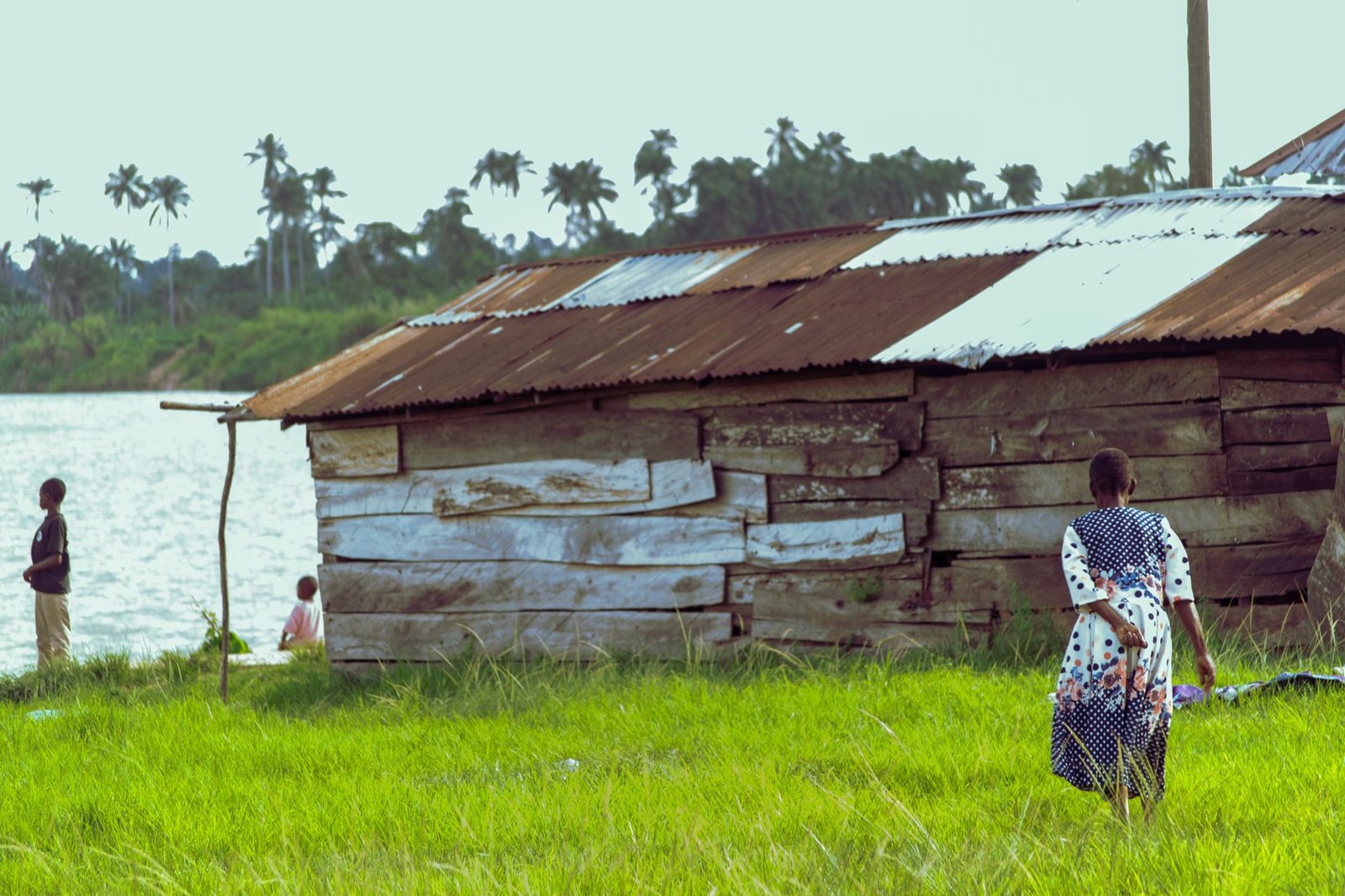
Nyanga, located in Gabon’s remote southern tip along the Congolese border, is one of the country’s least populated and most isolated provinces. Its capital, Tchibanga, hosts the majority of public services, yet access to electricity, clean water, and healthcare remains severely limited. While locals may find the 77% poverty rate unsurprising, the disparity between this local crisis and Gabon’s macroeconomic standing as one of Sub-Saharan Africa’s wealthiest nations on a per capita basis raises urgent questions.
Gabon consistently ranks at the top of the UN Development Programme’s Human Development Index, a metric that obscures deep territorial inequalities. The RNDH 2026 highlights these disparities but fails to prioritize them—particularly in Nyanga, where the poverty rate is three to four times the national average. Instead of driving policy recommendations, the statistic is buried in the report’s body, devoid of analysis or calls to action.
public data under scrutiny: why critical poverty figures go unaddressed
The omission of Nyanga’s poverty data reflects a troubling pattern in public reporting. National development reports are meant to guide policy and budget allocations, yet when a province’s struggle is this severe, the data should demand immediate attention. Instead, the Nyanga statistic appears as a mere footnote—fulfilling bureaucratic requirements without influencing real-world decisions.
This issue isn’t unique to Gabon. Across Central Africa, resource-rich nations often showcase impressive macroeconomic indicators while rural regions suffer from entrenched poverty. Centralized governance and investment concentration in economic hubs like Libreville and Port-Gentil further widen the gap, leaving border provinces like Nyanga without basic infrastructure or opportunities.
Nyanga’s struggles mirror Gabon’s regional divides
The country’s transitional leadership, which took office in August 2023, has pledged to address regional inequality through infrastructure upgrades, rural electrification, and agricultural revival. Yet the gap between these promises and budgetary commitments remains unclear. For Nyanga, a region historically known for its agricultural potential and cattle ranching, the disconnect between untapped resources and widespread deprivation is glaring. Decades of rural exodus have drained the province of its workforce, deepening poverty in a cycle that national statistics alone cannot capture.
The RNDH 2026 provides a critical snapshot of Gabon’s development challenges, but its true value depends on how these hidden truths are used. The question now is whether policymakers will move beyond acknowledgment to action—or if Nyanga’s 77% poverty rate will fade into obscurity like so many unheeded reports before it.