thaw in Niger-Benin relations could revive border trade
A joint committee of Beninese and Nigerien experts has finalized recommendations to reopen the land border between the two nations, shut since 2023. While technical agreements have been reached on security, transit logistics, and legal frameworks, political hurdles remain. Niger’s authorities have set three non-negotiable conditions that must be met before any border reopening can be formally approved.
three red lines for Niamey
Niger’s leadership has made it clear: no concessions on sovereignty or regional stability. The first demand is the signing of a formal defense pact with Benin, explicitly prohibiting either nation from allowing its territory to be used for aggression against the other. In practice, this means Benin must pledge not to support armed groups targeting Niger, and vice versa.
Régis Hounkpè, executive director of InterGlobe Conseils and a senior analyst, describes the demand as standard but emphasizes its urgency in the current climate: “Mutual non-aggression is fundamental. The fact that both sides are now formalizing this commitment reflects how seriously they view the need to rebuild trust after years of tension.”
The second condition focuses on intelligence-sharing. Niger wants a joint operational cell to monitor cross-border threats in real time, particularly terrorism and illicit trafficking. Hounkpè calls this a pragmatic step: “When two neighbors face shared security risks, cooperation isn’t optional—it’s essential. The key will be ensuring both sides actively participate without hidden agendas.”
The third demand touches on a sensitive issue: transparency regarding foreign military presence near the border. Benin must disclose all foreign defense partnerships that could be perceived as threatening to Niger’s security. As Hounkpè notes, “Sovereignty is non-negotiable. Benin is free to engage with any global partner, but it cannot use those alliances to undermine Niger’s stability.”
economic fallout from the blockade
The three-year closure has crippled trade flows that underpin both economies. For landlocked Niger, Benin’s port of Cotonou is a lifeline—handling nearly 70% of the country’s imports, from fuel to construction materials. Alternative routes through Nigeria or Togo are longer, costlier, and far riskier. Logistics costs have surged by 30% to 50%, squeezing businesses and consumers alike.
The pain extends beyond goods. Niger’s newly operational oil pipeline, stretching 2,000 km from Agadem to Sèmè-Kpodji, has been idle since 2023. Lost revenue from suspended crude exports runs into millions of dollars daily—an unsustainable burden for Niamey’s budget. Meanwhile, Benin’s port congestion has stalled thousands of containers, costing customs authorities and logistics firms up to 60% in lost revenue.
For the broader Sahel, the blockade has ripple effects. Landlocked Mali and Burkina Faso, both members of the Alliance of Sahel States (AES), rely on Benin’s infrastructure for critical supplies. Rice shortages, fuel price spikes, and delayed construction projects have become commonplace in markets from Bamako to Ouagadougou.
human cost of closed borders
The crisis has hit communities hardest. At the Malanville-Gaya border crossing, traders report customer traffic has halved since 2023. Shops have shuttered, livelihoods vanished, and families separated. Essential goods like rice and medicine now face chronic shortages, with prices climbing beyond reach for many households.
Transport costs have exploded. Truckers rerouting shipments through Nigeria or Togo now pay premiums that small-scale farmers and market vendors cannot afford. The economic strain has pushed some toward informal trade networks, further destabilizing the region. Isolated communities along the Niger-Benin frontier face daily risks, from extortion to smuggling rings exploiting the void left by official trade.
a path forward?
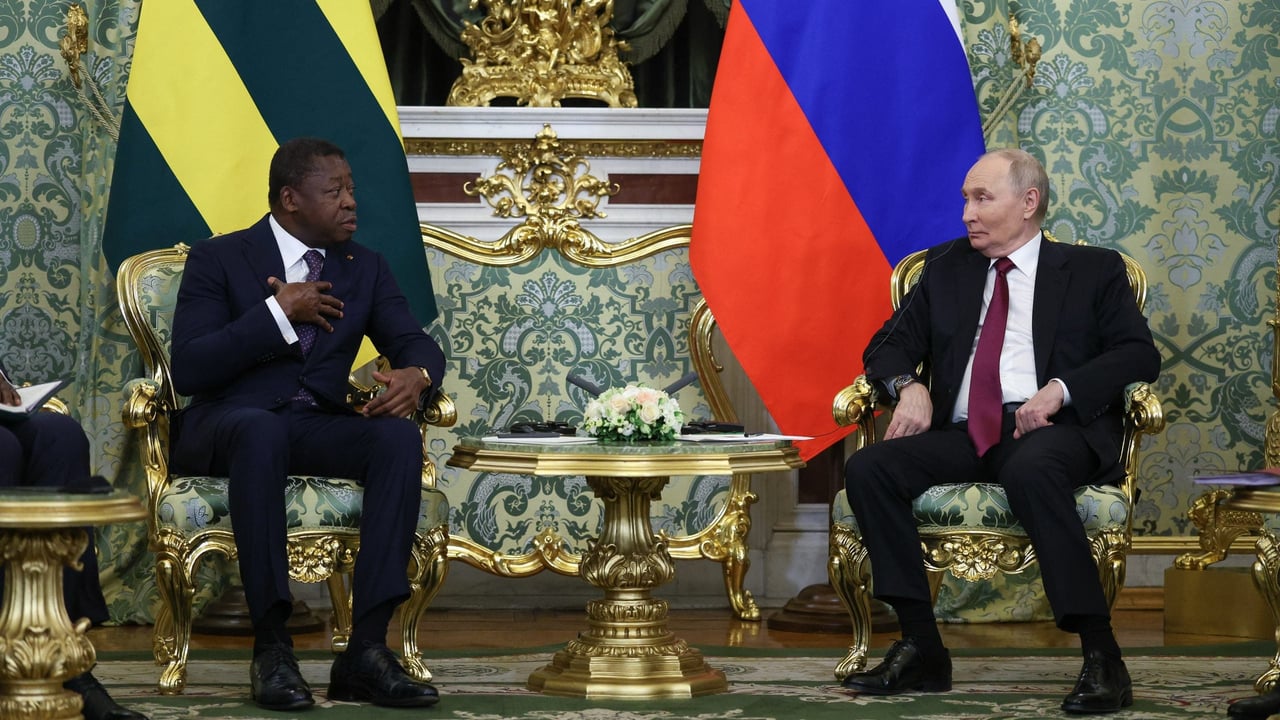
Despite the deadlock, there are signs of progress. Benin’s President Romuald Wadagni made a landmark visit to Niamey in early June 2026, less than a week after his inauguration. The joint committee’s report, submitted this week, outlines a phased reopening plan prioritizing essential goods under heightened inspections.
Hounkpè, cautiously optimistic, sees this as more than just an economic fix: “These leaders aren’t just negotiating borders—they’re shaping the region’s future. The stakes are too high for ideology; survival depends on cooperation.”
If the plan gains traction, it could set a precedent for the AES and ECOWAS, much like the recent détente between Mali and Côte d’Ivoire. For now, the focus remains on turning technical agreements into tangible relief for businesses and families on both sides of the border.