
Congo constitution amendment clears way for president tshisekedi’s third term bid
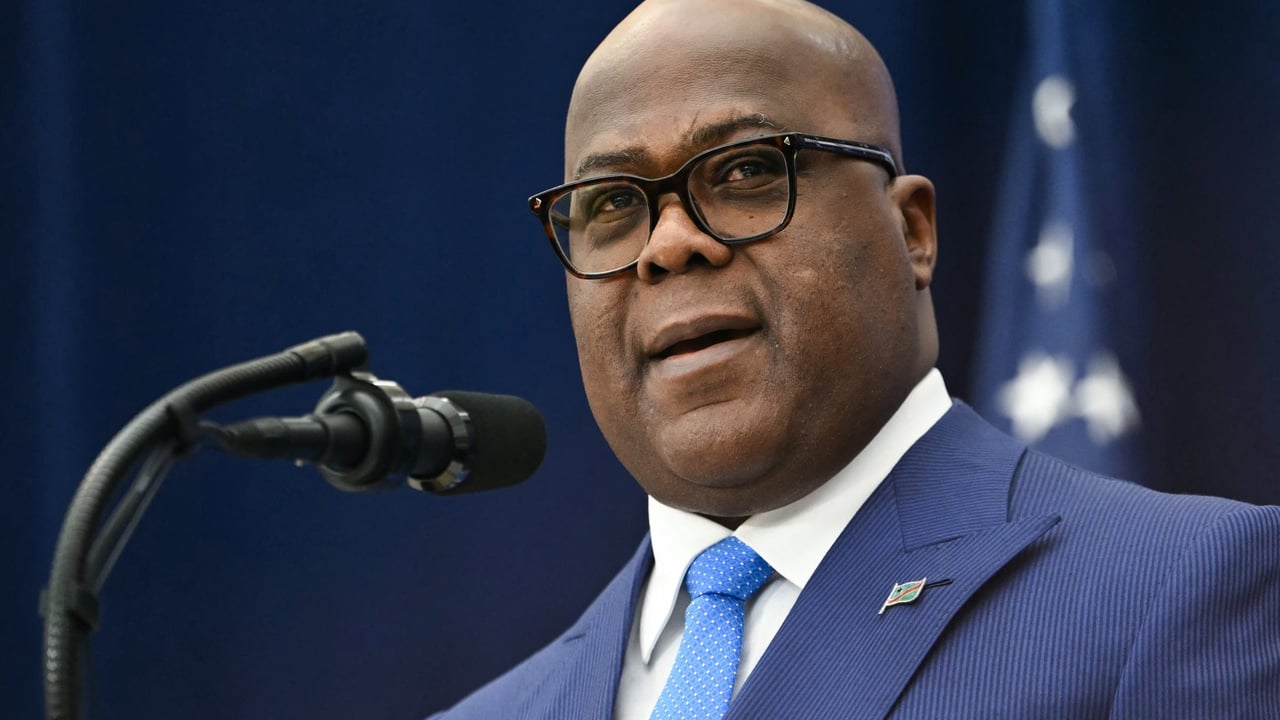
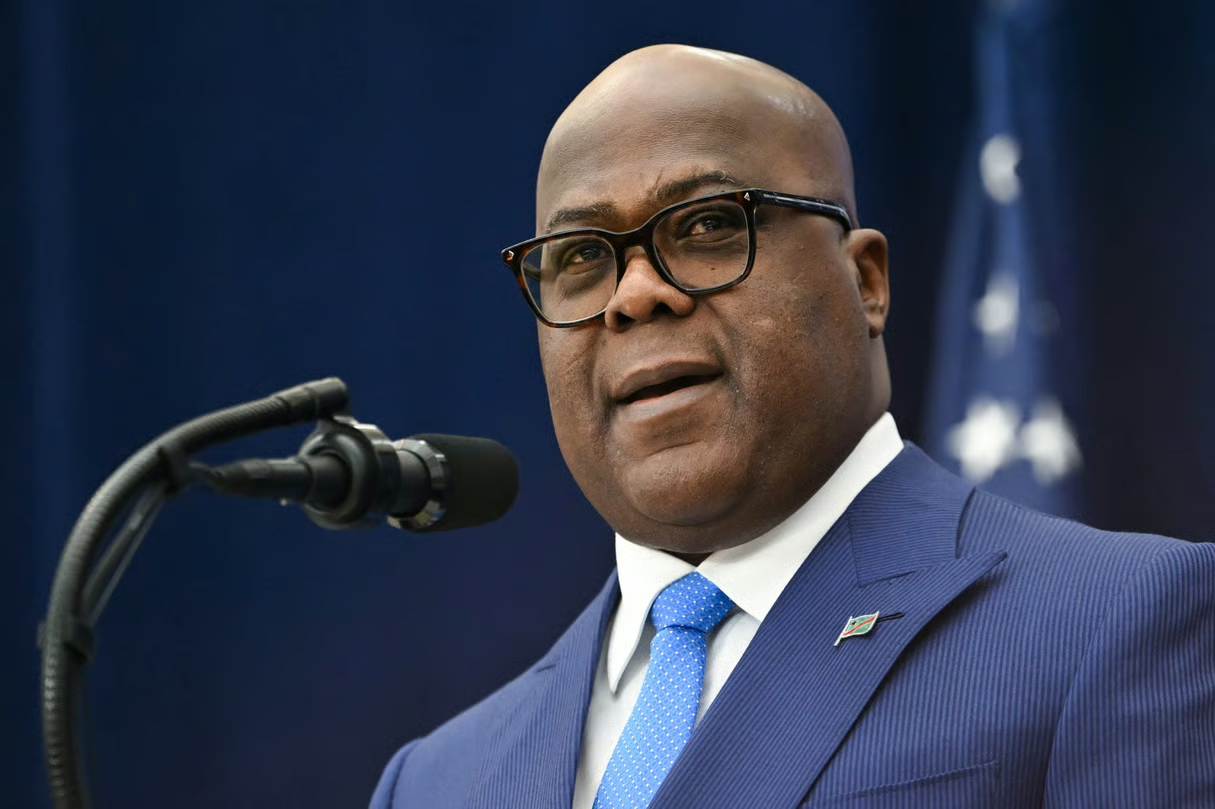
The Democratic Republic of the Congo’s Constitutional Court has delivered a landmark ruling, validating the controversial amendment that paves the way for President Félix Tshisekedi to seek a third consecutive term in office. The decision, announced late Thursday, removes the final legal hurdle for the incumbent, who is widely expected to announce his candidacy in the upcoming election cycle.
Legal experts and opposition figures have already raised concerns over the constitutional changes, arguing they undermine democratic principles and set a dangerous precedent for term limits in the region. Critics point to the rushed parliamentary approval process and the absence of broad public consultation as key flaws in the amendment’s adoption.
President Tshisekedi, who first took office in January 2019 following a contentious election, has maintained strong approval ratings amid economic recovery efforts and infrastructure development projects across the country. Supporters argue that continuity in leadership is essential for maintaining stability and progress, particularly in the face of ongoing security challenges in eastern regions.
Constitutional Court’s Ruling: A Turning Point for Congo
In a unanimous decision, the nine-member Constitutional Court dismissed objections raised by legal scholars and civil society groups, affirming that the amendment does not violate the country’s foundational laws. The ruling hinges on a reinterpretation of constitutional clauses regarding presidential term limits, effectively resetting the count for Tshisekedi’s eligibility.
Opposition leaders have vowed to challenge the decision through national and international legal avenues, describing the ruling as a judicial coup that erodes public trust in state institutions. Protests erupted in several cities shortly after the announcement, with demonstrators calling for the president to respect the original constitutional provisions.
International Reactions and Regional Implications
The court’s decision has drawn mixed reactions from the international community. While some Western governments have emphasized the importance of adhering to democratic norms, regional bodies have adopted a more cautious stance, stressing the need for peaceful and inclusive electoral processes.
Analysts warn that the controversy could deepen political divisions at a time when the DRC is grappling with persistent armed conflicts and economic vulnerabilities. The upcoming election, now likely to feature Tshisekedi as a candidate, is poised to become a focal point for both domestic and international observers.
For now, the political landscape in Kinshasa remains tense, with all eyes on the president’s next moves. Will he capitalize on the court’s ruling to secure another term, or will the mounting pressure force a reconsideration of his ambitions?