
Democratic republic of Congo constitutional court clears path for tshisekedi third term
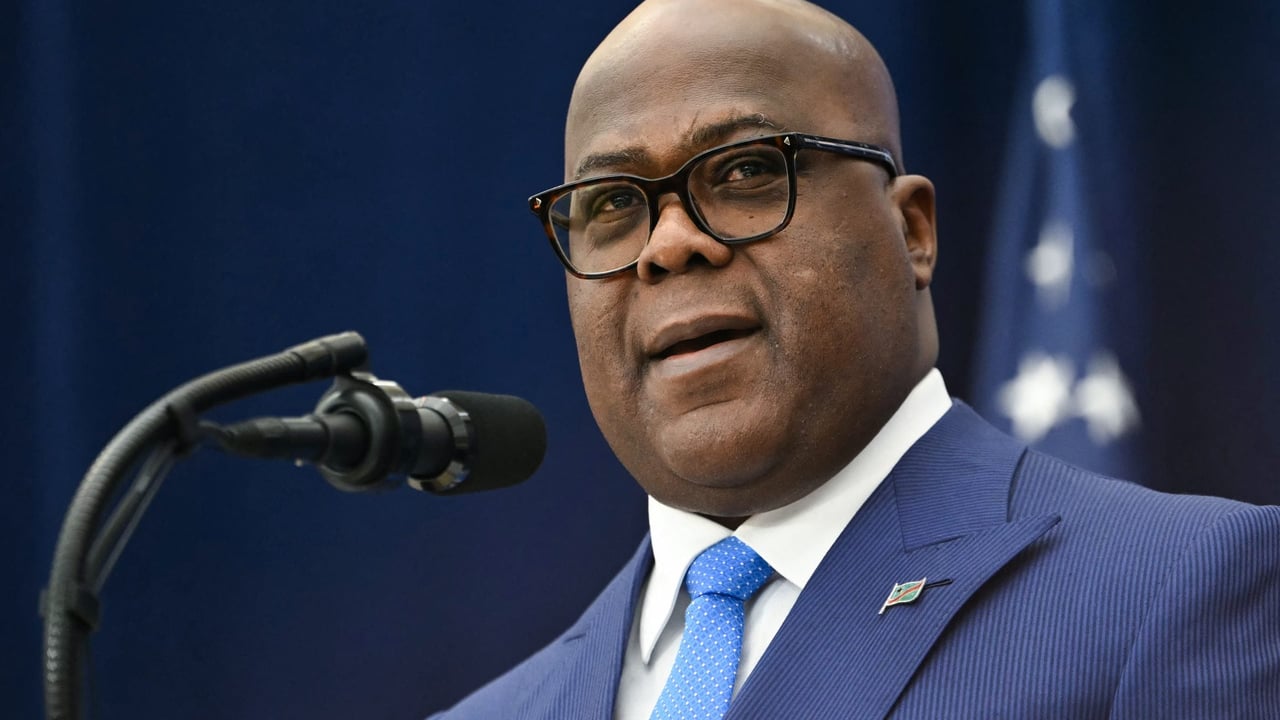
The Constitutional Court of the Democratic Republic of Congo (DRC) has delivered a landmark decision, endorsing legislation that paves the way for President Félix Tshisekedi to seek a third term in office. The ruling, issued today, marks a pivotal moment in the nation’s political trajectory and has ignited widespread debate.
Legal and political implications of the ruling
The Constitutional Court’s decision hinges on a reinterpretation of term limits, effectively altering the electoral landscape ahead of the next presidential elections. Legal experts and opposition figures have raised concerns, arguing that the move contradicts the spirit of the 2006 constitution, which was designed to prevent prolonged executive power.
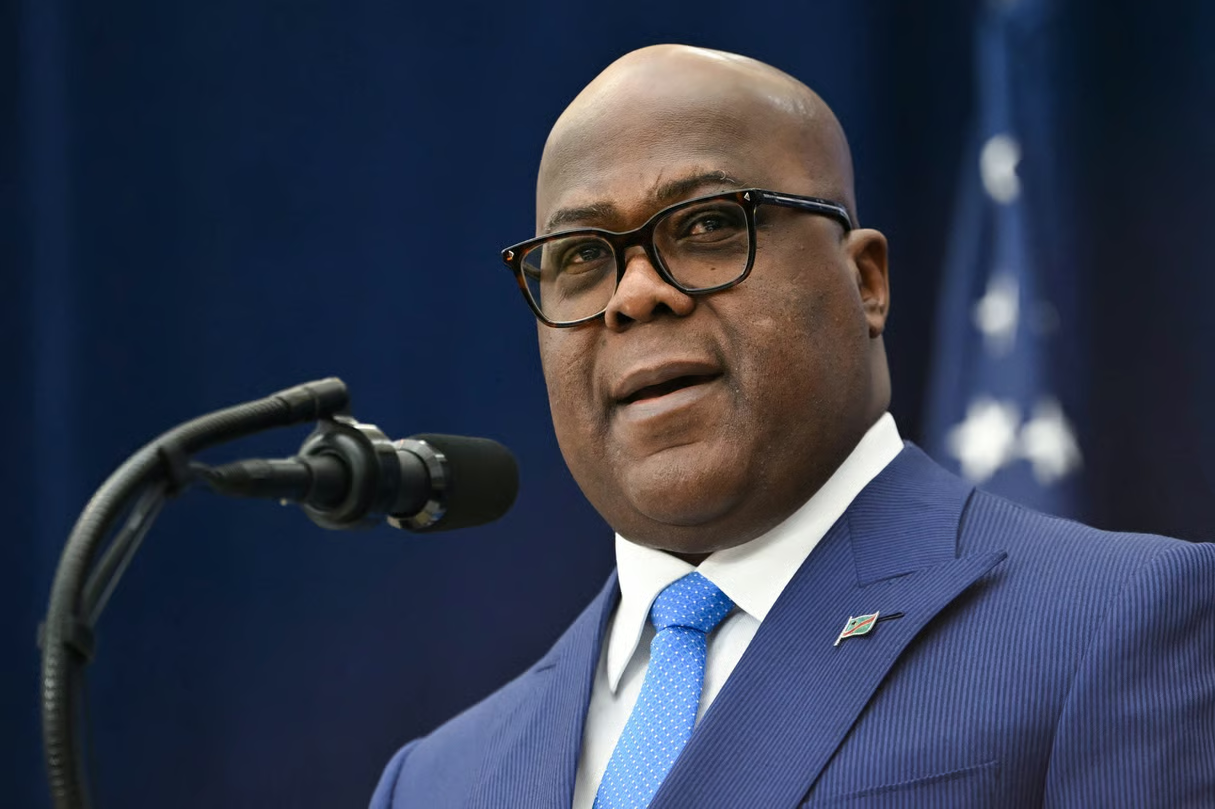
President Tshisekedi, who has been in office since 2019, now faces both support and criticism. Supporters view the ruling as a necessary step to ensure continuity in governance, particularly amid regional instability and economic challenges. Critics, however, condemn it as a strategic maneuver to extend his political dominance.
Reactions from civil society and international observers
Civil society groups in the DRC have been quick to respond. Human rights organizations have condemned the decision, warning of potential unrest and a further erosion of democratic norms. Meanwhile, some political allies have praised the court’s ruling, framing it as a pragmatic solution to avoid a leadership vacuum.
International observers have also weighed in, with some Western governments expressing unease over the long-term stability of the DRC. Regional blocs are closely monitoring the situation, as political shifts in Kinshasa could influence neighboring countries grappling with similar governance challenges.
What’s next for Félix Tshisekedi and the DRC?
The ruling sets the stage for President Tshisekedi to officially declare his candidacy in the upcoming elections. While the legal pathway is now clear, the political climate remains tense. Protests and counter-protests are anticipated as opposition groups rally to challenge the decision.
The government has reiterated its commitment to peaceful elections, but security forces are on high alert to prevent any escalation of violence. Economic policies and social welfare programs will likely play a central role in Tshisekedi’s campaign, as he seeks to address persistent poverty and infrastructure deficits.
With the ruling in place, the DRC stands at a crossroads. The next few months will be critical in determining whether the nation can navigate this political transition without deepening divisions or whether the decision will fuel long-term instability.