Strategic plans unveiled as African leaders converge in Abidjan
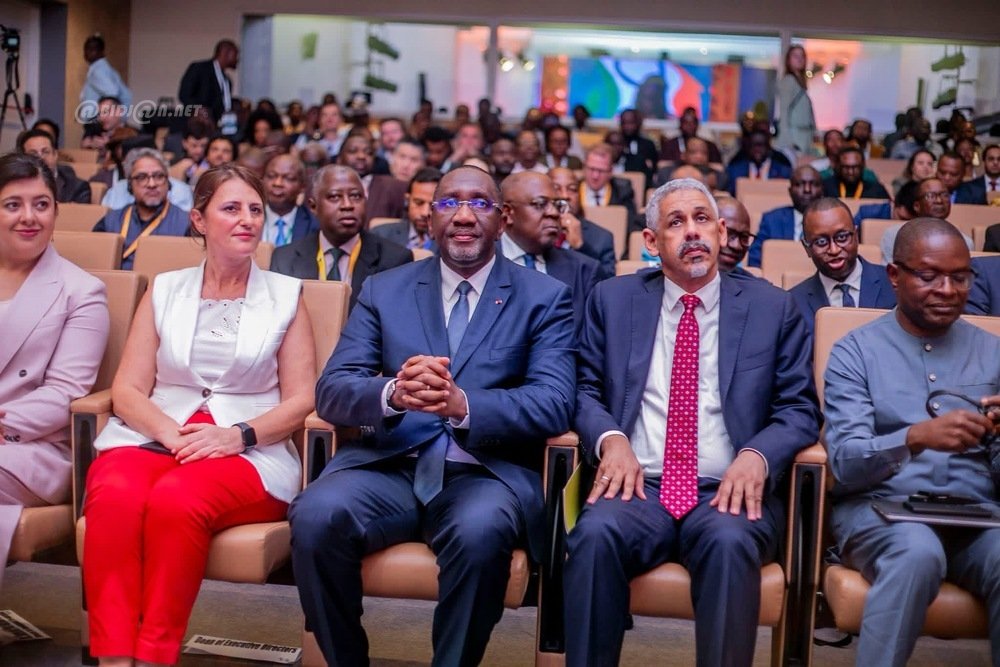
In a gathering that shapes the continent’s economic trajectory, Africa’s top policymakers, international financiers, and leading economists convened for a high-level dialogue on sustainable growth and transformation. The event, held annually at the African Development Bank headquarters in Abidjan, serves as a platform for sharing bold strategies to address Africa’s evolving development challenges.
Among the key speakers was Côte d’Ivoire’s Minister of Planning and Development, Dr. Souleymane Diarrassouba, who delivered a keynote address alongside the President of the African Development Bank Group, Dr. Sidi Ould Tah, and senior representatives from the United Nations, UNDP, and OECD. Together, these institutions co-organized the conference, which is hosted under the auspices of the United Nations Economic Commission for Africa.
The summit brings together central bank governors, chief economists from multilateral banks, top researchers, and government leaders to explore the economic shifts reshaping the continent. This year’s discussions focused on innovative financing mechanisms, resilient policy frameworks, and strategic investments to accelerate inclusive growth.
Côte d’Ivoire took center stage to present its National Development Plan 2026–2030, showcasing a forward-looking blueprint for economic transformation. The plan emphasizes proactive public policies, sustainable reforms, and an enabling environment to attract investment and drive job creation. As a member of the African Development Bank’s governing council, the Minister highlighted the country’s commitment to fostering regional cooperation and sharing best practices in development planning and policy coordination.
By participating in this forum, Côte d’Ivoire reaffirms its role as a key player in shaping Africa’s economic agenda. The nation’s experience in strategic planning and multi-stakeholder partnerships positions it as a model for other African countries seeking to navigate a rapidly changing global landscape.