Analyzing the CRP/FRP’s Position in Eastern DRC’s Complex Security Landscape
The Convention for the Popular Revolution/Forces for the Popular Revolution (CRP/FRP), led by former International Criminal Court (ICC) convict Thomas Lubanga, continues to face significant hurdles in gaining traction within Ituri’s volatile security environment. According to the latest United Nations Group of Experts report on the Democratic Republic of the Congo (DRC), the movement has so far failed to establish official cooperation with the Allied Democratic Forces/Movement of March 23 (AFC/M23), despite Lubanga’s public endorsement of the group in July 2025.
Despite Lubanga’s strategic realignment attempt, the CRP/FRP remains isolated. The report highlights that as of its latest assessment, no formal alliance had been documented between these factions. The movement’s leadership, comprising former warlords, political figures, and local leaders from Ituri, operates primarily from exile in Uganda, with some members registered as refugees.
Internal Challenges and Recruitment Patterns
The CRP/FRP’s operational capacity has shown signs of strain. Recent defections among senior members have weakened both internal cohesion and the movement’s support base. Reports indicate that while the group initially commanded around 300 fighters in November 2025, its numbers have since swelled to nearly 1,000 combatants. Recruitment efforts have primarily targeted the “G5” community, with the majority of fighters hailing from the Hema ethnic group—some with ties to the former Zaïre rebel factions.
Displacement camps in Ituri and refugee settlements in Uganda have become key recruitment grounds. Notably, Innocent Kaina, a sanctioned individual, has been active in mobilizing support, including former M23 combatants from Ugandan refugee camps. However, the CRP/FRP’s attempts to secure broader backing from other armed groups and Ituri’s communities have yielded limited results, particularly among the Lendu youth population.
CRP/FRP’s Ideological Foundations and Regional Impact
Since its formal establishment on January 10, 2025, the CRP/FRP has maintained a staunch anti-government stance, advocating for regional autonomy. The movement frames its existence as a response to what it describes as systemic failures in DRC governance, including corruption, kleptocracy, and widespread human rights abuses. The CRP/FRP has specifically highlighted the Ituri region’s eight-year security crisis, characterized by thousands of deaths, mass displacements, and systematic violations of human rights.
The movement’s rhetoric has resonated with some segments of the population, particularly in addressing grievances related to state negligence in security provision and economic exploitation. However, its failure to consolidate alliances or gain significant community support has limited its operational effectiveness and regional influence.
Lubanga’s Controversial Past and Current Role
Thomas Lubanga’s leadership of the CRP/FRP is marked by his controversial history. Convicted by the ICC in 2012 for war crimes involving the conscription and use of child soldiers, Lubanga served a 14-year sentence before his 2020 release. Following his release, he was appointed to a presidential task force aimed at promoting peace in Ituri, though these efforts yielded limited success.
Lubanga’s political ambitions were further complicated by the annulment of his election as an Ituri deputy, underscoring the challenges he faces in transitioning from armed group leadership to legitimate political engagement.
Outlook for the CRP/FRP
The CRP/FRP’s inability to secure widespread support or establish formal alliances with other armed groups poses significant obstacles to its long-term viability. While the movement’s recruitment efforts have expanded its ranks, its lack of cohesion and limited community backing continue to undermine its strategic objectives. As the DRC’s security situation remains precarious, the CRP/FRP’s future will depend on its ability to address internal divisions and build credible alliances within the region’s complex political and social landscape.
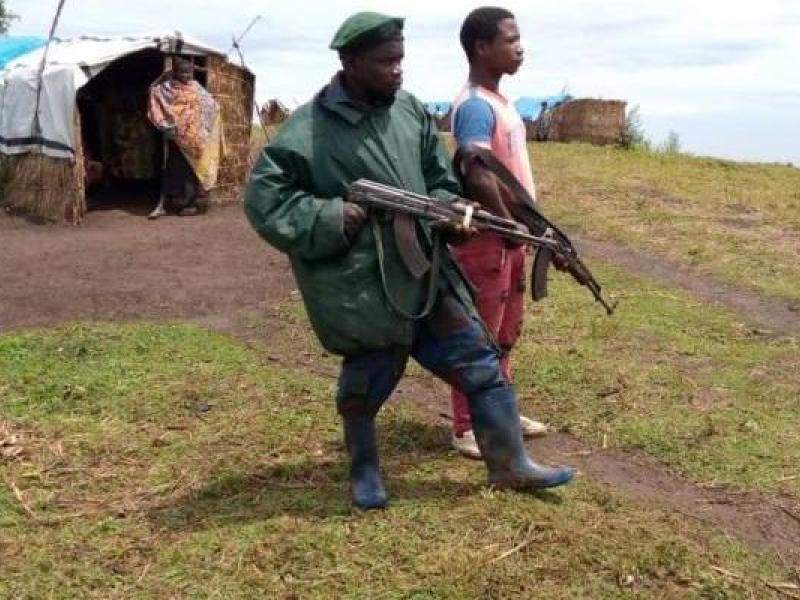
Militants operating in eastern DRC’s conflict zones