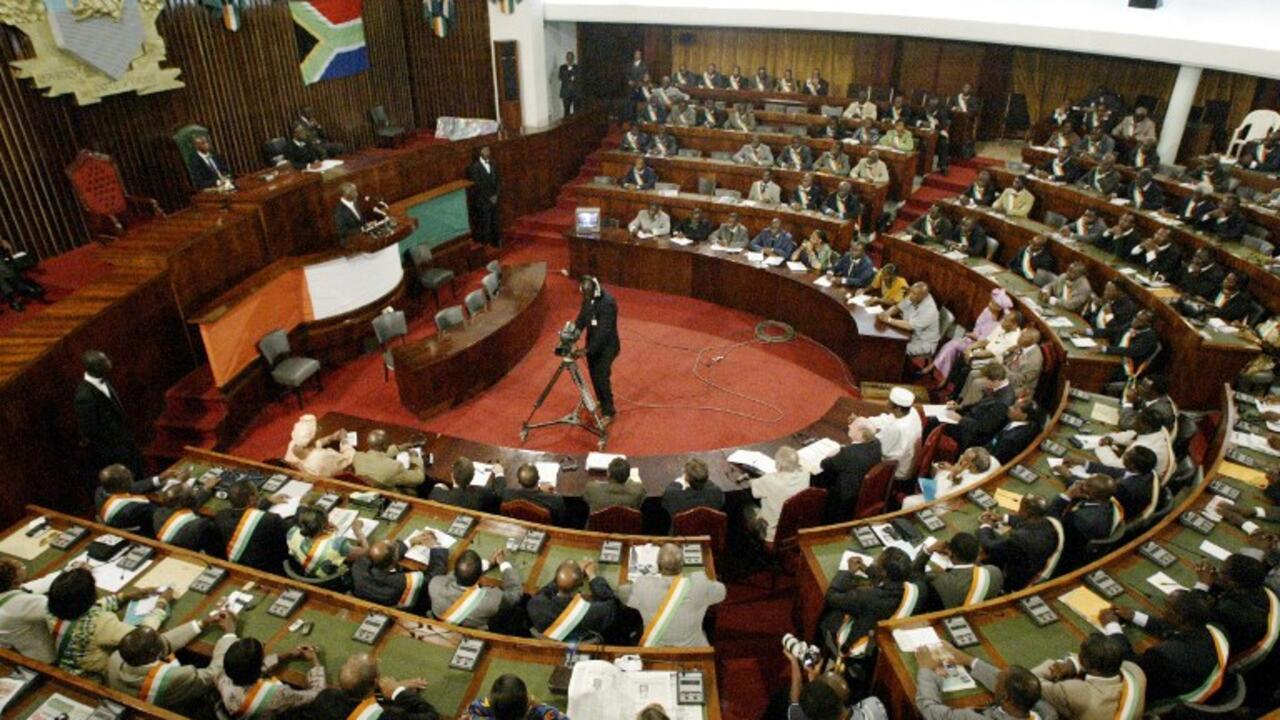
A pivotal moment has arrived in Côte d’Ivoire’s political journey as the Independent Electoral Commission (CEI), the body responsible for organizing and overseeing the nation’s elections, has been dissolved. This significant development, marking the end of an institution that served for a quarter-century, sparks considerable debate and raises a fundamental question: will this dissolution finally pave the way for an era of reduced political tensions and more harmonious electoral processes?
For twenty-five years, the CEI stood at the heart of Côte d’Ivoire’s electoral processes, navigating numerous national polls. However, its tenure was consistently marked by significant controversy and strong dissent from various opposition parties, who frequently questioned its impartiality and operational fairness. This persistent contestation often fueled political “crispations” – or tensions – contributing to a climate of mistrust around election outcomes. The abolition of the CEI therefore represents a profound break from a contentious past, signaling a clear intention to reform the nation’s electoral framework.
Looking ahead, the focus now shifts to the formation of a new electoral structure. The critical challenge lies in designing a body that can genuinely guarantee transparent, fair, and peaceful elections, thereby addressing the long-standing grievances that plagued its predecessor. Stakeholders across the political spectrum are scrutinizing what this new institution will embody and how it will operate to rebuild confidence. The aspiration is that a truly independent and credible electoral body will mitigate the sources of past disagreements, fostering a more inclusive and less volatile political environment. Only time will tell if this bold move ultimately ushers in the desired era of political pacification for Côte d’Ivoire.