Dakar reshapes African Francophonie with bold new political vision
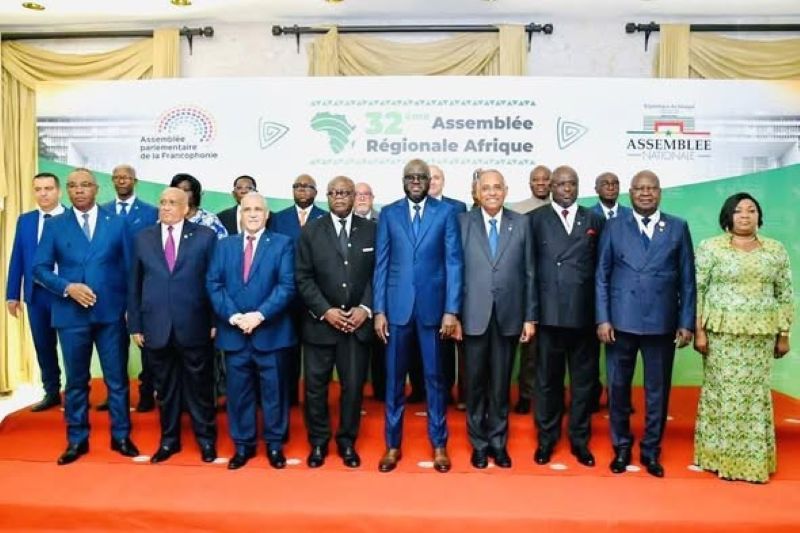
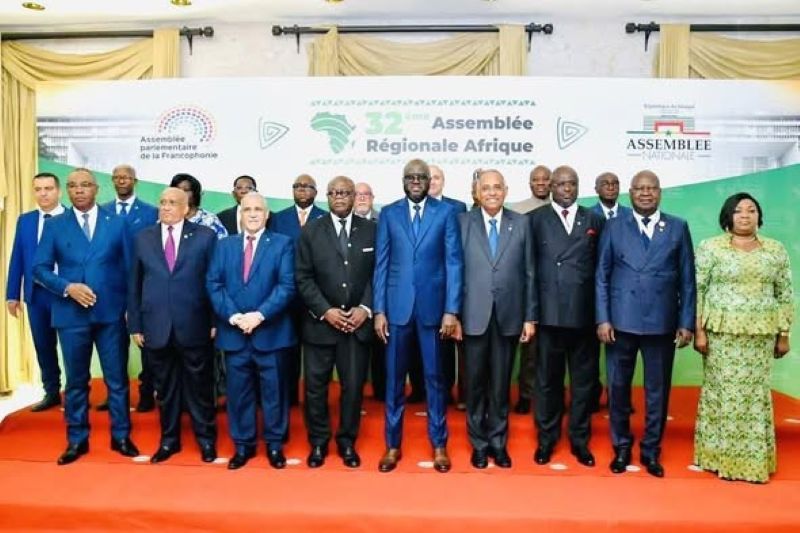
Dakar played host to a high-stakes political gathering last week as over 200 parliamentarians from nearly 30 African nations convened for the 32nd regional assembly of the Francophonie parliamentary body. The event in Sénégal‘s capital transformed into more than just a diplomatic forum—it became a strategic laboratory where Africa’s Francophone nations redefined their collective future.
The three-day deliberations unfolded against a backdrop of shifting global power dynamics, escalating Sahel security crises, Middle Eastern tensions, and intensifying great power rivalries. Rather than merely debating protocol matters, delegates engaged in fundamental questions about Africa’s role in the 21st century.
The official theme—“Parliamentary Francophonie facing sustainable development and democracy challenges in Africa”—served as a springboard for broader discussions on the continent’s political, institutional, and strategic trajectory.
Sénégal advances bold African sovereignty agenda
The most significant development emerged from Sénégal, where National Assembly President El Malick Ndiaye delivered a politically charged address. The Senegalese leader articulated a vision for “assertive African sovereignty”, demanding strong parliamentary institutions capable of exercising genuine democratic oversight.
This wasn’t mere rhetoric. The speech signaled the emergence of a new African political doctrine that rejects the notion of Francophonie as merely a cultural or linguistic space. Instead, Sénégal advocates transforming it into a strategic cooperation tool that advances African interests in security, economics, and diplomacy.
Ndiaye’s call for “more offensive parliamentary diplomacy” resonated deeply with delegates. Key priorities identified included human security, taxation of extractive industries, administrative cooperation, and democratic accountability—all areas where African parliaments must take center stage in shaping continental responses.
The underlying message was clear: Africa’s Francophone nations no longer want to merely participate in international debates—they aim to shape their outcomes.
Gabon asserts diplomatic ambitions in Dakar
Gabon made its presence felt as President Michel Régis Onanga M. Ndiaye led a high-level delegation to the assembly. The visit occurred during a critical phase of Libreville’s diplomatic repositioning, as Gabon seeks to strengthen its standing in major international forums while consolidating its African and global image.
The Gabonese delegation pushed for reforms within the Francophonie parliamentary structure to better align with African citizens’ evolving expectations. Gabonese officials emphasized the need to modernize Francophone institutions to address contemporary challenges in governance, democracy, and sustainable development.
This participation marked a significant evolution: what was once a primarily diplomatic exercise is increasingly becoming an arena for strategic influence where nations compete to advance their political visions and national interests.
Francophonie at a crossroads: from cultural space to strategic tool
The Dakar assembly laid bare an existential crisis within institutional Francophonie. Many African leaders now view the organization’s traditional structures as incompatible with contemporary geopolitical realities.
A convergence of factors—rising sovereignist movements, democratic aspirations, persistent security crises, and economic pressures—has fundamentally altered expectations of international organizations. Delegates repeatedly stressed the need to build a more horizontal, equitable Francophonie that directly addresses African citizens’ concrete concerns.
The emerging paradigm shifts from mere linguistic solidarity to a strategic cooperation model rooted in security, economic development, regional integration, and institutional stability. This transformation reflects a profound intellectual shift among Francophone African political elites—a new generation determined to construct institutions that defend African interests in an increasingly competitive global landscape.
Dakar emerges as continental diplomatic hub
By hosting this pivotal assembly, Sénégal solidified its position as a key political center in Africa’s evolving diplomatic landscape. The country is actively positioning itself as a leader in sovereign affirmation, institutional stability, and regional influence.
The choice of Dakar was deliberate. Coming after the historic 2024 political transition and amid widespread African redefinitions of relationships with former colonial powers, the assembly symbolized a Francophone Africa in strategic transition. While official resolutions matter, this gathering will be remembered as a milestone in Africa’s journey toward strengthening institutions, securing interests, and asserting an independent voice in global power balances.
The 32nd regional Francophonie assembly has marked the beginning of a new era where sovereignty, democratic governance, and political power take precedence. African parliamentarians didn’t just debate the Francophonie’s future—they began redrawing the contours of Africa’s new ambition.