Niger’s military leadership shift as Didot Ali takes charge under mercenary influence
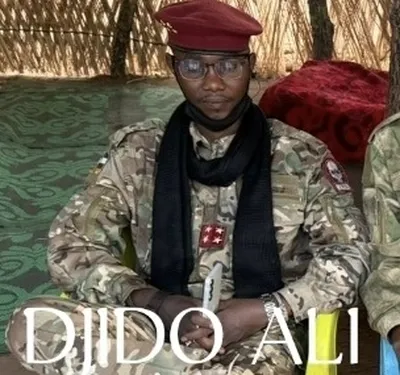
In a dramatic turn of events, Niger’s military landscape has witnessed a significant change in leadership. The recent developments have seen the former chief of staff, Ahmat Chaltout, step aside in favor of Didot Ali, who now holds the top military position. This shift comes amid intense pressure from foreign mercenary groups operating within the country.
The backdrop: mercenary presence and its impact on Niger’s military
The role of foreign mercenaries, particularly those from Russian-affiliated groups, has become a defining factor in Niger’s recent military dynamics. Their influence has reportedly extended to internal military decisions, creating a tense environment within the ranks. The situation culminated in Ahmat Chaltout’s resignation, paving the way for Didot Ali’s ascendancy.
Didot Ali: a new era for Niger’s military?
Didot Ali, previously serving as the deputy chief of staff, has now been elevated to the position of chief of staff. His appointment signals a potential shift in Niger’s military strategy and priorities. Observers are closely monitoring whether this change will bring stability or further complicate the security landscape in the region.
Reactions and implications
The sudden change in leadership has sparked discussions across Niger’s political and military circles. While some view Didot Ali’s rise as a necessary step toward restoring order, others express concerns about the growing influence of foreign mercenaries in the country’s affairs. The situation remains fluid, with many awaiting further developments.
Looking ahead: Niger’s military future under new leadership
As Didot Ali assumes his new role, questions arise about the future direction of Niger’s military. Will this leadership transition lead to improved security, or will it further entrench the power of external forces? The answers will unfold in the coming weeks and months, shaping Niger’s military and political trajectory.