The unresolved dispute surrounding the Africa Cup of Nations final continues to cast a long shadow over continental diplomacy. Four months after the controversial match, tensions between Dakar and Rabat have resurfaced in the most unexpected of settings: a high-level summit.
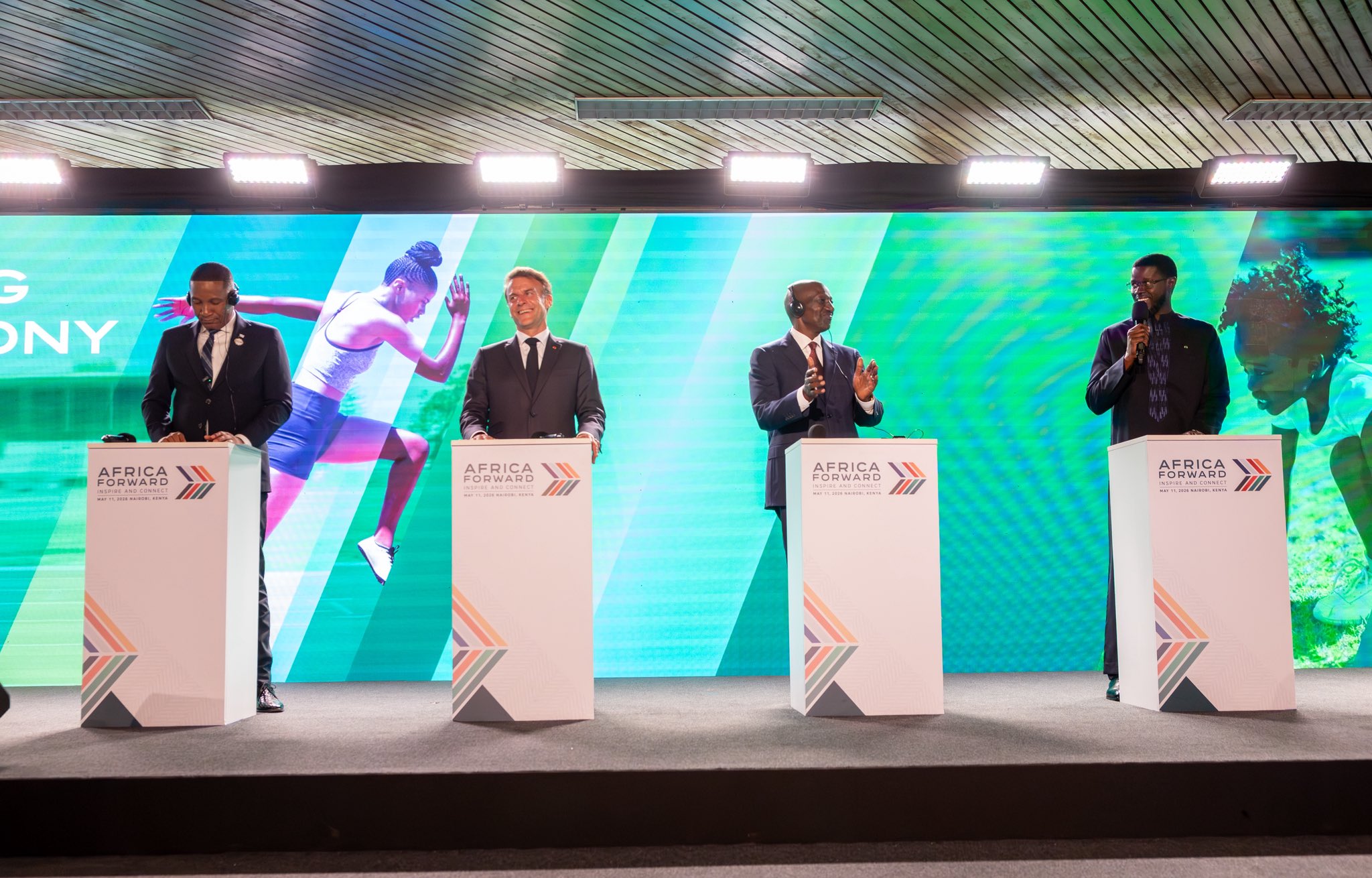
At the Africa-France summit in Nairobi, Senegal’s President Bassirou Diomaye Faye seized the opportunity to celebrate his nation’s triumph in the 2026 Africa Cup of Nations. Speaking alongside French President Emmanuel Macron, Kenyan counterpart William Ruto, and Botswana’s Duma Boko, Faye’s remarks drew thunderous applause from the audience. However, the atmosphere was far from celebratory for everyone present.
a diplomatic spectacle overshadows african football
Patrice Motsepe, President of the Confederation of African Football (CAF), found himself in an awkward position as Faye’s comments subtly referenced the administrative reversal that stripped Senegal of its hard-earned victory. The CAF Appeals Board’s March 17 decision to award Morocco a 3-0 victory on appeal—despite Senegal’s 1-0 win on the field in Rabat on January 18—sparked outrage. The Senegalese Football Federation (FSF) labeled the ruling a « administrative robbery » and immediately filed an appeal with the Court of Arbitration for Sport (CAS) in Lausanne, targeting both CAF and the Royal Moroccan Football Federation (FRMF). Months later, the legal battle shows no signs of resolution.
Meanwhile, Morocco’s absence from the summit’s sports-focused sessions was conspicuous. While Moroccan Prime Minister Aziz Akhannouch attended discussions on industry and renewable energy, no official from the Kingdom took part in the sports segment. A source close to the matter explained, « They chose not to prioritize this session. » The deliberate avoidance underscores the lingering friction between the two nations.
diplomatic silence masks deeper divisions
French officials, too, downplayed the dispute’s visibility. Minister Eléonore Caroit, speaking after the summit’s closing plenary, admitted, « I expected to hear something about it. I participated in many roundtables over these two days, but personally heard nothing on the subject and detected no tension. » Her counterpart, Foreign Minister Jean-Noël Barrot, later acknowledged that while the issue wasn’t raised during formal discussions, it remained a recurring topic in bilateral talks. « It’s not just about football, » he noted.
The controversy extends beyond the pitch. A legal dispute involving a French national—brother of a Senegalese staff member—accused of throwing a water bottle at police during stadium unrest, has further strained relations. After serving three months in a Moroccan prison, he was released on April 18 following an appeal that reduced his sentence. Similarly, three of the 18 Senegalese supporters convicted of violence and vandalism were freed on the same day, though the remaining 15 remain detained, facing sentences ranging from six months to a year. Their fate now rests in the hands of King Mohammed VI, the sole authority capable of granting a royal pardon.
from the pitch to the negotiating table
Despite the acrimony, both sides insist on maintaining a veneer of diplomatic decorum. Moroccan officials emphasize that « our shared religious and historical ties must always take precedence over a football match. » In Dakar, a government spokesperson struck a conciliatory tone, stating, « This is a dispute between brothers—like the tongue and the teeth, we sometimes bite each other. The diplomatic path must prevail. Senegal respects the sovereignty of every nation and expects the same in return. »
The fallout from the final has even reached the global stage. At FIFA’s April congress in Vancouver, the International Football Association Board (IFAB) adopted a new rule—dubbed the « Pape Thiaw Law »—in response to the Senegalese coach’s protest. The regulation empowers referees to issue red cards to players who abandon the field or to coaching staff who incite such actions. A CAF delegate present at the congress remarked with dry humor that the measure aims to prevent a « Senegalization » of global football.
From legal appeals in Lausanne to detained supporters in Rabat and tense exchanges in Nairobi, the Africa Cup of Nations final has evolved into one of the most protracted sagas in African football history—a conflict that transcends sport and tests the continent’s diplomatic resolve.