The African Union’s mediation efforts in the Democratic Republic of Congo (DRC)’s eastern conflict zones have reached a pivotal phase. Under the leadership of Togolese Prime Minister and African Union mediator Faure Gnassingbé, a high-level meeting in Lomé concluded with fresh orientations and concrete measures designed to accelerate peace initiatives in the second half of 2026.
The two-day gathering, held on June 7 and 8, brought together key regional and international stakeholders, including representatives from the African Union, United Nations, East African Community (EAC), Economic Community of Central African States (ECCAS), Southern African Development Community (SADC), International Conference on the Great Lakes Region (ICGLR), and the International Committee of the Red Cross (ICRC).
Strategic shifts in mediation architecture
This latest session served as a mid-year review of the mediation framework established in January 2026. The goal was to assess progress made since the adoption of the Lomé Accord and to realign priorities for the coming months. The African mediation team is working in parallel with complementary peace processes led by the United States (Washington Process) and Qatar (Doha Process).
The meeting emphasized the need to strengthen internal coordination among the Office of the Mediator, the Facilitators Panel, the African Union Commission, and the Independent Joint Secretariat. Participants underscored the importance of consolidating an African contribution to both the Washington and Doha processes to enhance ownership, legitimacy, and implementation effectiveness.
Key decisions adopted include:
- Revised work plans for the Facilitators Panel for the second half of 2026, ensuring focused and timely interventions.
- Development of an operational action plan within 15 days, detailing the implementation roadmap for agreed decisions.
- Enhanced cooperation among all states and organizations involved in mediation, while respecting each entity’s mandate under the Lomé framework.
In a joint statement, participants expressed their collective commitment to implementing decisions diligently and fostering shared responsibility toward achieving lasting peace in eastern DRC and the broader Great Lakes region.
Sustaining momentum: the Lomé peace initiative
This meeting follows the January 2026 high-level summit in Lomé, which launched the African Union’s mediation architecture for eastern DRC. Led by Faure Gnassingbé, the initiative included a panel of former African heads of state, each tasked with specific portfolios:
- Olusegun Obasanjo (Nigeria) – Military and security affairs
- Sahle-Work Zewde (Ethiopia) – Humanitarian issues
- Uhuru Kenyatta (Kenya) – Dialogue with local armed groups
- Mokgweetsi Masisi (Botswana) – Regional economic cooperation
- Catherine Samba-Panza (Central African Republic) – Civil society, reconciliation, and gender
The structure also integrates a Joint Independent Secretariat, bringing together the Togo, African Union, EAC, SADC, and ICGLR. The African Union Commission is responsible for coordinating with international partners, including the United Nations, Qatar, European Union, and the UN Security Council’s P5.
Challenges and commitments
The eastern DRC remains embroiled in a complex conflict involving government forces and the M23 rebel group, reportedly backed by Rwanda. Despite ongoing diplomatic efforts, a military stalemate persists, underscoring the urgent need for a unified and effective mediation strategy.
The African Union’s renewed focus aims to inject fresh momentum into stalled negotiations by fostering greater solidarity among regional actors and strengthening the coherence of peace efforts. With a clear roadmap now in place, the second half of 2026 is poised to witness intensified diplomatic engagement and concrete steps toward restoring stability in the region.
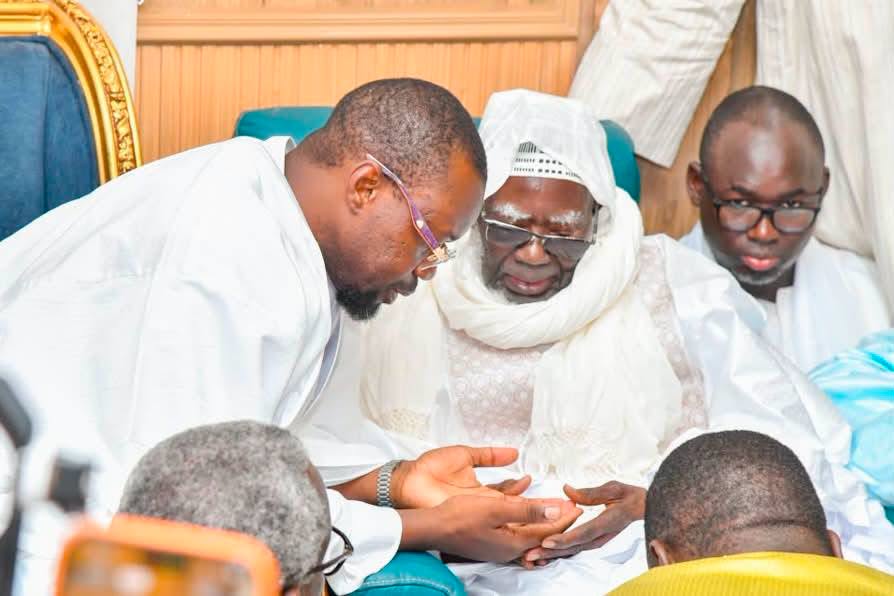
African Union mediation team, led by Togolese Prime Minister Faure Gnassingbé, meets in Lomé to chart a course for peace in eastern DRC.