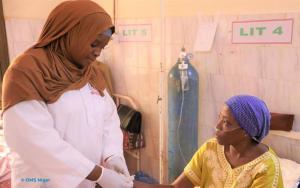
Battling sickle cell disease in Niger: breaking barriers to care
Imagine a future where a simple blood test before marriage could prevent lifelong suffering. In Niger, this isn’t just a possibility—it’s a necessity. Sickle cell disease remains one of the country’s most pressing yet overlooked health challenges, silently affecting thousands of families each year.
Why sickle cell disease demands urgent attention in Niger
Each year, hundreds of children in Niger are born with sickle cell disease, a painful genetic condition that shortens life expectancy and drains families emotionally and financially. The disease occurs when a child inherits the defective gene from both parents—a reality for many couples unaware of their carrier status.
Despite its prevalence, sickle cell disease often flies under the radar. Without widespread awareness or systematic screening, families only discover the condition when symptoms become severe, leaving them scrambling for treatment. The National Sickle Cell Reference Center (CNRD) in Niamey has made it its mission to change this narrative.
How early detection is transforming lives
Under the leadership of Dr. Mariam Boureima Djibo, the CNRD has pioneered initiatives to detect sickle cell disease early—before symptoms escalate. A key breakthrough came with the launch of a neonatal screening program at the Issaka Gazobi Maternity Hospital, which identifies newborns with the condition within days of birth.
Early detection isn’t just about saving lives—it’s about giving children a fighting chance at a healthier future. Dr. Marie Ousseini, a pediatrician involved in the program, emphasizes: “Screening newborns for sickle cell disease means offering them the opportunity to live longer, with fewer complications and more dignity.”
The CNRD’s efforts extend beyond screening. The center has:
- Expanded access to specialized care, including a newly built intensive care unit and recruitment of specialists like psychologists and epidemiologists.
- Provided free medications to over 2,000 children in 2024, reducing the financial burden on vulnerable families.
- Launched community outreach programs to educate parents and local leaders about prevention and early signs of the disease.
- Strengthened partnerships with organizations like the World Health Organization (WHO) to secure essential supplies and training.
What’s next in the fight against sickle cell disease?
The CNRD isn’t stopping at early detection. Future plans include:
- Expanding premarital screening nationwide to identify at-risk couples before they start a family.
- Integrating sickle cell care into national health policies to ensure long-term sustainability.
- Building a new regional center in Niamey to decentralize services and reach more communities.
- Hosting awareness campaigns on World Sickle Cell Day to educate the public and rally support.
The WHO has been a critical ally in this fight. Through donations of medications and medical supplies, the organization has bolstered the CNRD’s capacity to care for patients. Mrs. Asmaou Salifou, a mother of eight—three of whom have sickle cell disease—shared her gratitude: “This support has been a lifeline for my family. It means my children can receive the treatment they need to thrive.”
During a recent visit, Dr. Casimir Manengu, WHO’s interim representative in Niger, highlighted the importance of decentralizing care: “A center like CNRD must reach every corner of Niger. No child should be left behind due to distance or lack of resources.”
The road ahead: a call to action
Ending the cycle of sickle cell disease in Niger requires more than medical interventions—it demands a collective commitment from communities, healthcare workers, and policymakers. Key steps include:
- Routine screening for young adults before marriage to prevent transmission.
- Education campaigns to inform parents about genetic risks and early symptoms.
- Policy changes to ensure affordable, accessible treatment for all.
- Community engagement through local leaders to spread awareness and reduce stigma.
With continued innovation and collaboration, Niger is on the cusp of turning the tide against sickle cell disease. The question isn’t whether it can be done—it’s whether we’ll act fast enough to make it happen.