Gabon’s extractive sector is on the cusp of a major transformation. In a landmark agreement sealed in Paris, Eramet and its subsidiary Comilog have committed to dramatically increasing local manganese processing capacity. By 2031, the French mining giant aims to refine up to 700,000 tonnes of Gabonese manganese annually—a move that underscores the country’s push for greater industrial self-reliance.
The signing ceremony, held at the Élysée Palace, brought together Gabon’s transitional leader Brice Clotaire Oligui Nguema and Eramet’s top executives, signaling the high-stakes nature of the negotiations. While the agreement is currently non-binding, it represents a significant shift in policy after years of Gabon demanding deeper value addition within its borders.
From raw exports to industrial ambition
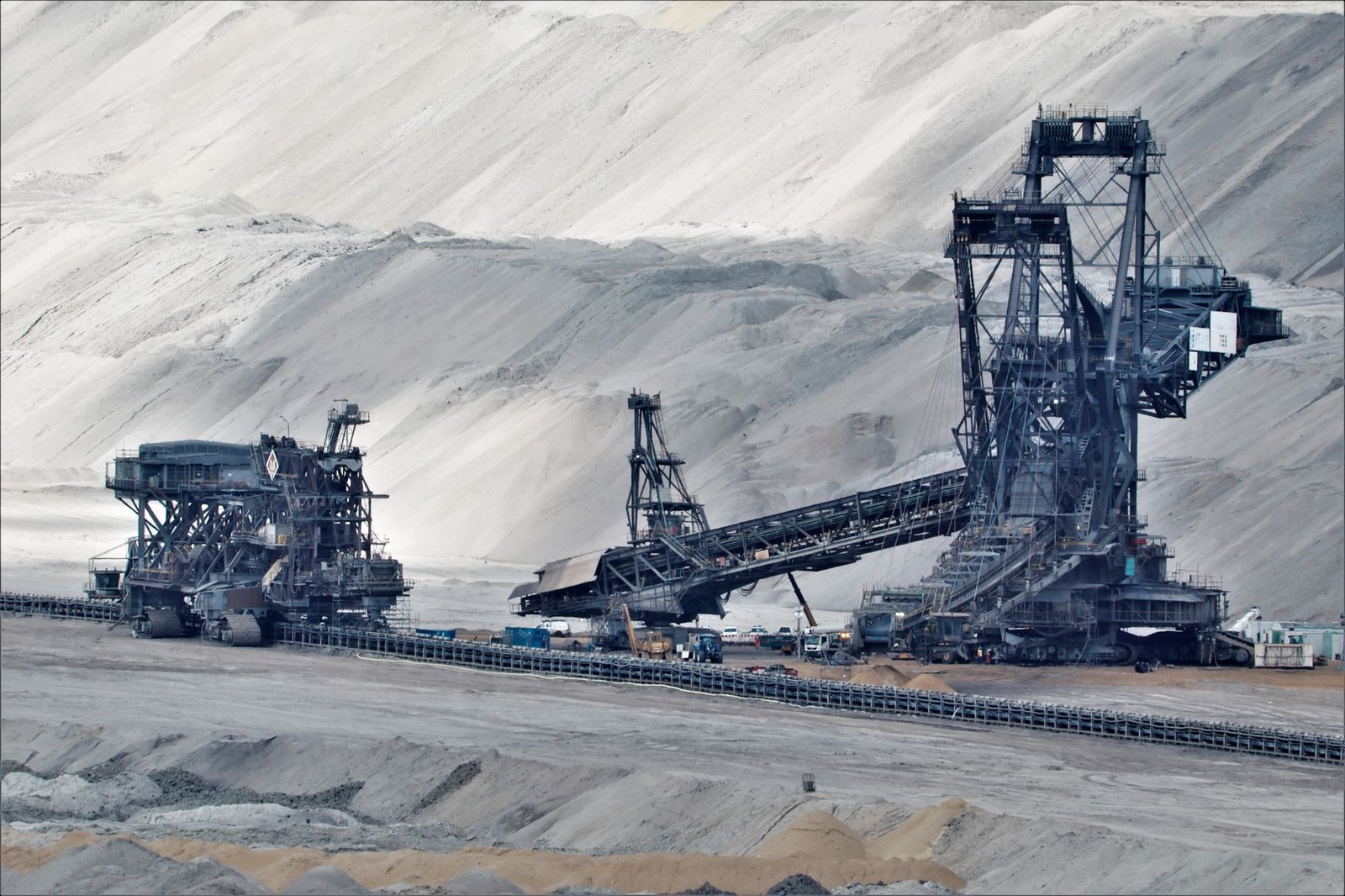
Despite being the world’s second-largest manganese producer, Gabon has historically exported most of its output as unrefined ore. The new protocol challenges this status quo, setting a clear path toward onshore processing. For Eramet, which has operated in Gabon for over six decades through its Comilog subsidiary, this commitment aligns with long-standing demands from Libreville to enhance local economic gains.
The 700,000-tonne target will require substantial upgrades—expanding existing metallurgical plants and building new industrial facilities. While the timeline provides flexibility, it also imposes a firm deadline: the transitional government expects measurable progress well before the decade’s end. Financial commitments, feasibility studies, and investment decisions remain pending, with no total budget disclosed yet.
Manganese as a pillar of Gabon’s economic sovereignty
Gabon’s transitional administration has made resource valorization a cornerstone of its economic strategy. Manganese, a critical input for steelmaking and increasingly for lithium-ion batteries, sits at the heart of this vision. Local processing promises higher tax revenues, skilled job creation, and a stronger foothold in higher-value markets.
The agreement also arrives amid strengthened Gabon-France relations. President Oligui Nguema’s visit to Paris—his first since the normalization of ties post-coup—highlighted both economic and diplomatic priorities. The Élysée ceremony’s high-profile turnout underscores the protocol’s broader significance beyond industry.
Setting a precedent for Gabon’s mining future
Beyond Eramet, this deal could serve as a template for future negotiations with other mining operators in Gabon. Authorities may leverage it to renegotiate terms for iron, rare earths, and other minerals, reinforcing Libreville’s push for resource nationalism. The success of this manganese initiative will test Gabon’s ability to enforce its industrialization agenda.
For Eramet, the gamble is twofold: securing long-term operational stability in Gabon while diversifying its portfolio. Amid challenges in Argentina and Indonesia, a stable African anchor could offset risks. Local processing could also bolster the group’s ESG credentials, appealing to European investors increasingly scrutinizing carbon footprints and ethical sourcing.
A critical hurdle remains energy. Processing 700,000 tonnes demands massive electricity supply—a challenge in a country still grappling with infrastructure gaps. Without a robust energy strategy, the 2031 milestone risks remaining out of reach.