Gabon 2027: a bold shift toward performance-driven budgets
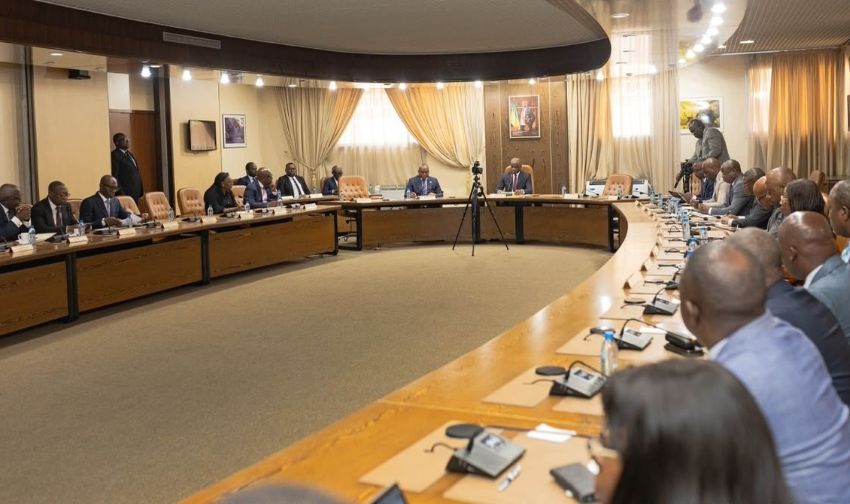
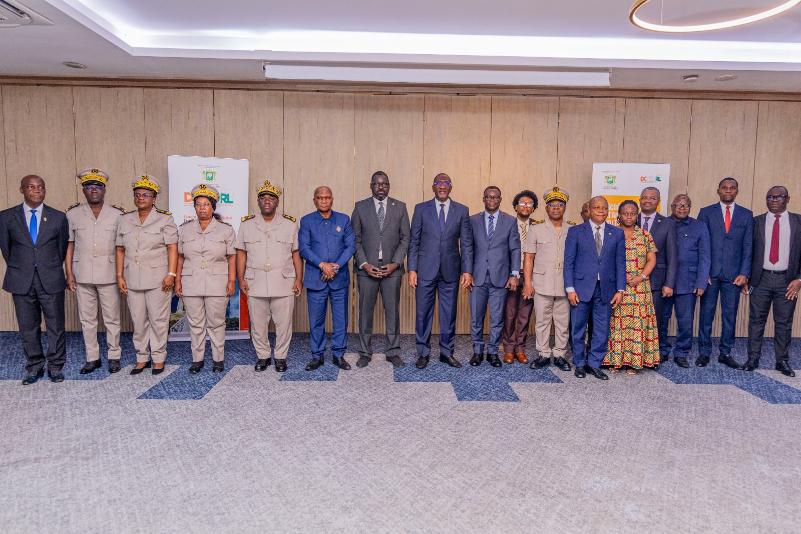
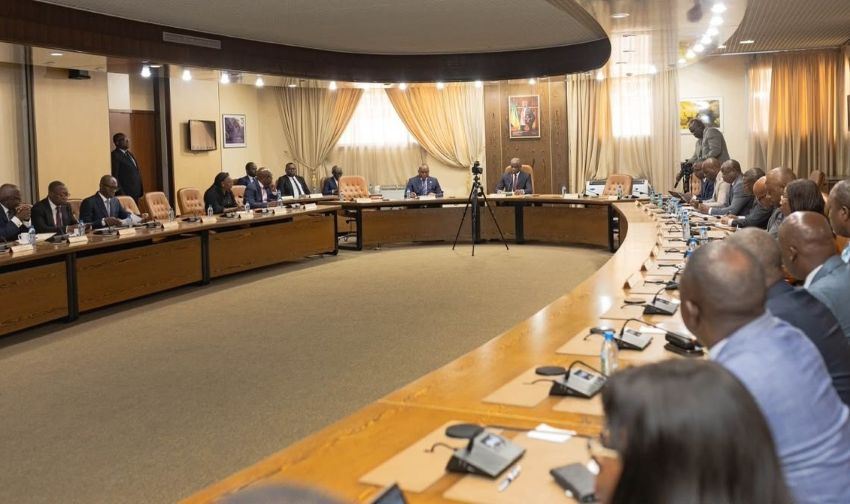
Libreville — In a historic move, Gabon is preparing to launch its most ambitious budget reform in decades. As the preparatory conferences for the 2027 Finance Bill get underway, authorities are not merely ticking boxes for routine financial planning. They are signaling a decisive break from years of budgeting practices that prioritized credit consumption over measurable outcomes.
The message to government agencies is unambiguous: budgets will no longer be mere operational envelopes. Every franc allocated must now deliver tangible results—whether in infrastructure, public services, economic growth, or job creation. In a region where public spending efficiency remains a contentious issue, Gabon is positioning itself at the forefront of a new era in fiscal governance.
Ending automatic budget allocations
At the heart of this reform lies a fundamental principle: public expenditure will no longer be justified by historical precedent but by its capacity to achieve concrete results. From newly constructed roads and schools to improved electricity access, job creation, and enhanced revenue collection, performance will be the new benchmark for evaluating government action.
This shift also targets long-standing inefficiencies exposed by international financial institutions, including the automatic rollover of budget credits, poorly documented expenditures, and unreported state revenues. Agencies will now be required to submit detailed, evidence-based proposals with clear objectives. Public funds must be fully accounted for, ensuring transparency and traceability in financial management.
For international partners, this represents a strong signal in a global context where fiscal governance quality increasingly determines economic credibility.
Ambitious yet measured growth projections
The government is forecasting a 5.1% growth rate for 2027, up from an estimated 4% this year. This acceleration is expected to stem from public and private investments, particularly in productive sectors. Notably, the budget projections are based on conservative oil price assumptions, reflecting a deliberate strategy to reduce the country’s vulnerability to volatile energy markets.
The diversification drive focuses on manganese, processed wood, and palm oil as key growth drivers. This aligns with years of stated policy intent but is now backed by reinforced institutional commitment. However, history shows that few oil-dependent nations have successfully transitioned away from hydrocarbons without deep structural reforms.
Balancing fiscal discipline with social imperatives
The budget preparation coincides with ongoing negotiations with the International Monetary Fund. Yet authorities have reassured the public on one key point: financial consolidation will not come at the expense of citizens.
Social spending—especially in water, electricity, health, education, and social protection—will be safeguarded. Six core priorities already guide current budgetary decisions: improving water and energy services, youth entrepreneurship, infrastructure development, housing, social justice, and sustainable growth, alongside institutional strengthening.
Still, the challenge is daunting. With limited resources and immense social expectations, the true test of the 2027 budget will not lie in parliamentary approvals but in the state’s ability to convert allocated funds into visible, tangible benefits for the population.
The ultimate verdict will not come from macroeconomic models or budgetary tables. It will come from the people themselves. Will schools function better? Will electricity and water become more accessible? Will young people find new opportunities? Will infrastructure projects deliver real impact? If the answers are yes, Gabon will have successfully redefined its public management culture. If not, the performance-based budget will merely join the long list of unfulfilled reforms in Africa. The year 2027 could mark a turning point for Gabon’s economic governance—and perhaps a model for others to follow.