Landmark social initiatives take shape with unprecedented funding
In a landmark announcement before a packed gathering of citizens, educators, and local leaders from all six communes of the Couffo region, the Bénin government has unveiled concrete measures backed by substantial financial commitments. The historic allocation of 31 billion West African CFA francs is set to transform the daily lives of citizens by addressing critical social needs.
The initiative, presented by the Minister of State, outlines a structured approach where every franc is directly invested in improving living conditions. The comprehensive plan spans three major areas: emergency healthcare, educational infrastructure, and rural health facilities.
Immediate care takes priority in emergency medical services
At the forefront of this transformative agenda is a bold commitment to emergency medical care. A dedicated fund of 1 billion FCFA has been earmarked to ensure that life-saving treatment is never delayed by financial constraints. This marks a decisive shift from past practices where patients were often required to settle bills before receiving critical care.
The new policy guarantees that medical emergencies—no matter how severe—will be addressed without delay. «A patient’s need for oxygen or urgent surgery cannot wait for administrative procedures,» the Minister emphasized, underscoring the government’s unwavering commitment to human dignity.
To prevent inconsistent application or local discrimination, strict oversight mechanisms are being implemented nationwide to ensure this lifesaving measure is uniformly enforced.
20 billion FCFA injection to transform school infrastructure
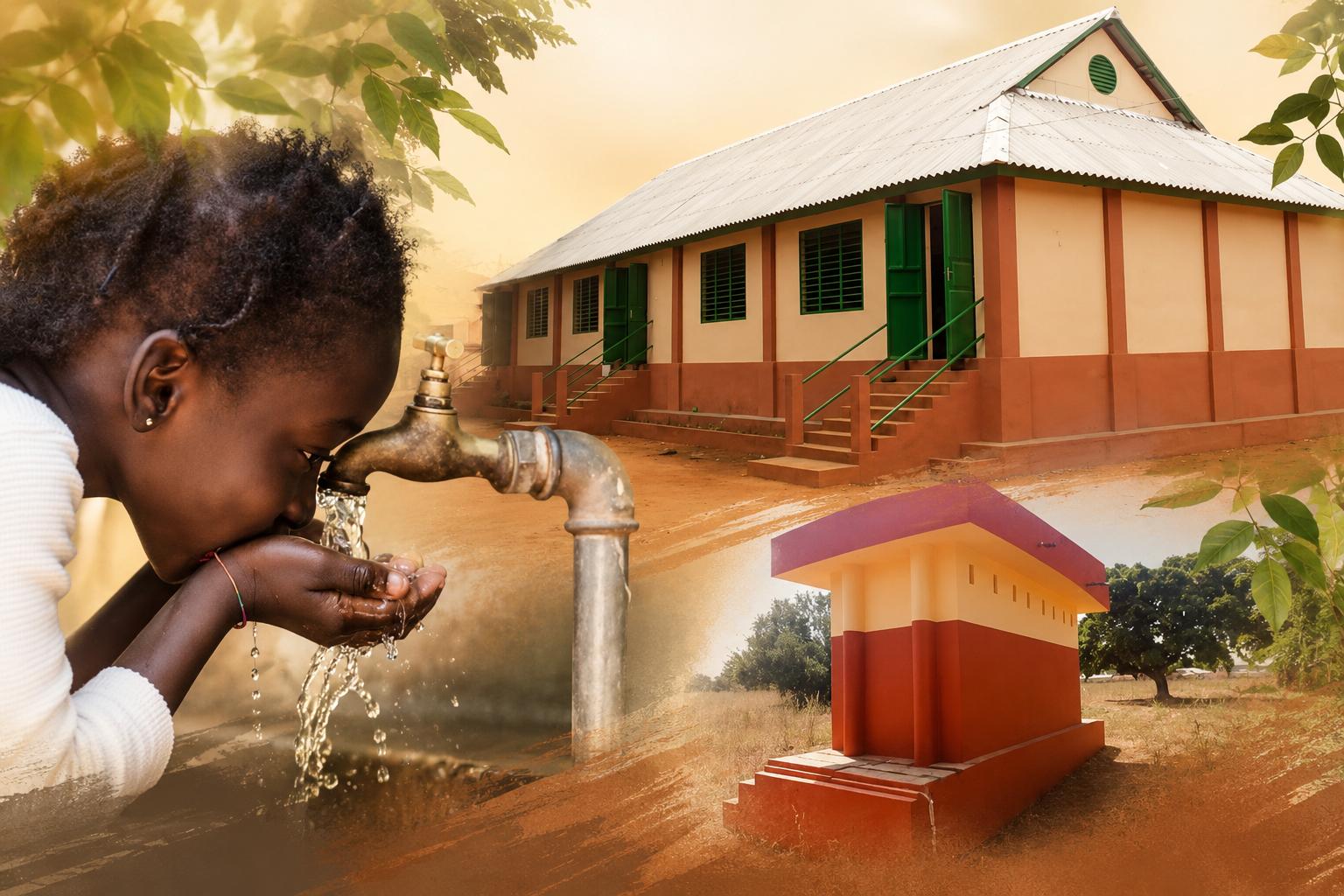
The second major component of the plan tackles a long-standing issue: the lack of basic amenities in schools across the country. With a substantial allocation of 20 billion FCFA, the government is set to address this silent crisis by ensuring that every school has access to clean water, reliable electricity, and properly maintained sanitation facilities.
The initiative includes the construction of gender-separated latrines, a critical step in promoting dignity and safety for female students. Poor sanitary conditions have long been linked to school dropout rates among girls, and this investment aims to reverse that trend by creating a safer, more conducive learning environment.
10 billion FCFA boost for rural health centers
The third pillar of the social investment plan focuses on revitalizing rural health clinics, which often face severe limitations due to unreliable power and water supply. A dedicated fund of 10 billion FCFA will be used to equip these facilities with solar-powered energy systems, ensuring uninterrupted medical services—even during power outages.
This sustainable energy solution will support critical nighttime procedures such as cesarean sections and maintain strict hygiene protocols through continuous water access. By addressing these foundational needs, the government is reinforcing the resilience of local healthcare systems.
A bottom-up approach to sustainable development
The Bénin government, led by President Romuald Wadagni, is prioritizing grassroots development by strengthening essential social services from the ground up. This coordinated strategy ensures that investments directly benefit communities, fostering long-term stability and progress.
In Toviklin, the Couffo region’s central hub, the clarity of these commitments has generated strong public support. However, citizens are now calling for swift implementation—demanding tangible results such as functional boreholes, reliable electricity connections, and operational infrastructure. The success of this plan now hinges on the rapid execution of these initiatives, with the entire nation watching closely.