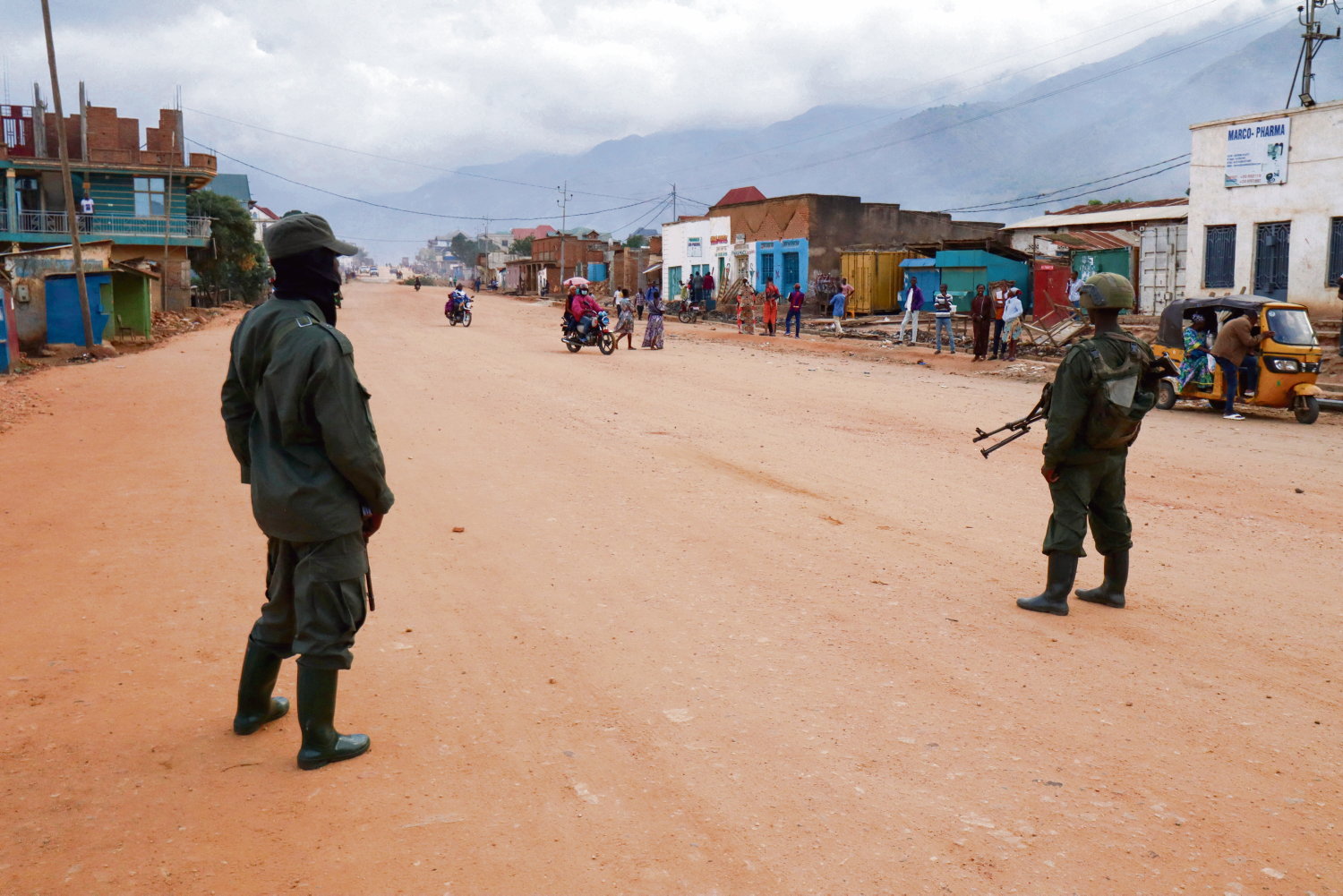
The Washington-mediated peace accord between Kinshasa and Kigali faces mounting obstacles. In North and South Kivu, renewed clashes over strategic territories have intensified, rendering sanctions ineffective and exposing the limits of U.S. diplomacy.
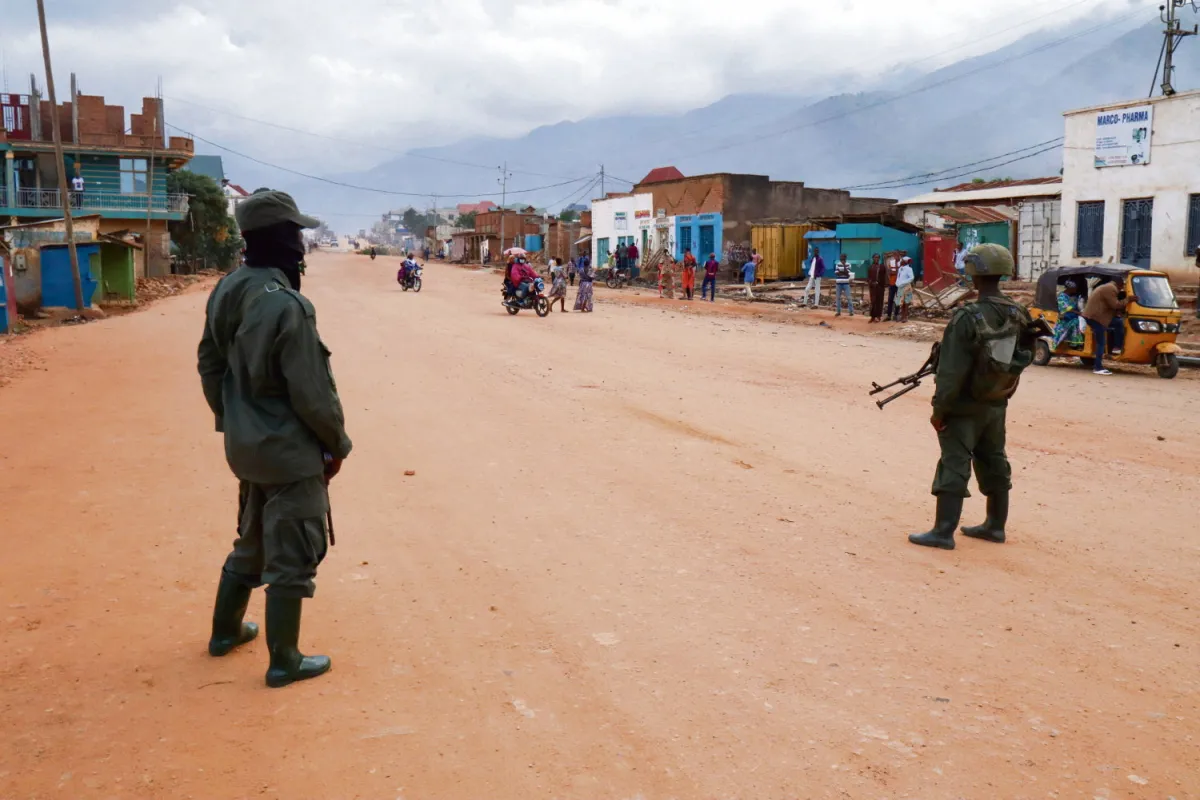
The July 15 deadline has come and gone. The peace agreement—signed in Washington on June 27, 2025, under U.S. mediation—pledged the withdrawal of Rwandan forces from eastern Democratic Republic of Congo (DRC), where they back the Congolese politico-military group Alliance du fleuve Congo/M23 (AFC/M23). Yet this force still controls much of North and South Kivu.
The pact included additional terms, but despite statements from U.S. Secretary of State Marco Rubio, who anticipated implementation by mid-July, the process remains stalled. The situation has worsened: fighting has reignited across eastern DRC, with no sign of de-escalation.
Why the Washington Accord is collapsing
The deal’s failure stems from deep-rooted challenges. Rwanda continues to deny direct involvement, while the DRC accuses Kigali of sustaining the M23 rebels. Meanwhile, the Alliance du fleuve Congo has expanded its territorial grip, exploiting gaps in regional security.
International sanctions, including those imposed by the U.S., have done little to curb the violence. Diplomatic efforts, too, appear toothless. The deadlock underscores a harsh reality: without decisive enforcement mechanisms, even the most ambitious agreements risk becoming hollow promises.
Consequences for civilians and regional stability
For civilians in Kivu, the resurgence of fighting has been devastating. Displacement rates have surged, with thousands fleeing their homes amid artillery exchanges and militia raids. Humanitarian organizations warn of a looming crisis, as aid access dwindles and medical facilities come under threat.
Regionally, the instability risks spreading. Neighboring countries, already grappling with their security challenges, face spillover effects—from refugee flows to armed group infiltration. The African Union and Southern African Development Community (SADC) have urged restraint, but their calls have gone largely unanswered.
Can diplomacy still salvage the agreement?
With the accord at a crossroads, the path forward remains unclear. Some analysts argue for renewed U.S. leadership, while others advocate for African-led mediation. One thing is certain: without urgent action, the Kivus’ future—and the region’s stability—hang in the balance.
Key topics in this article