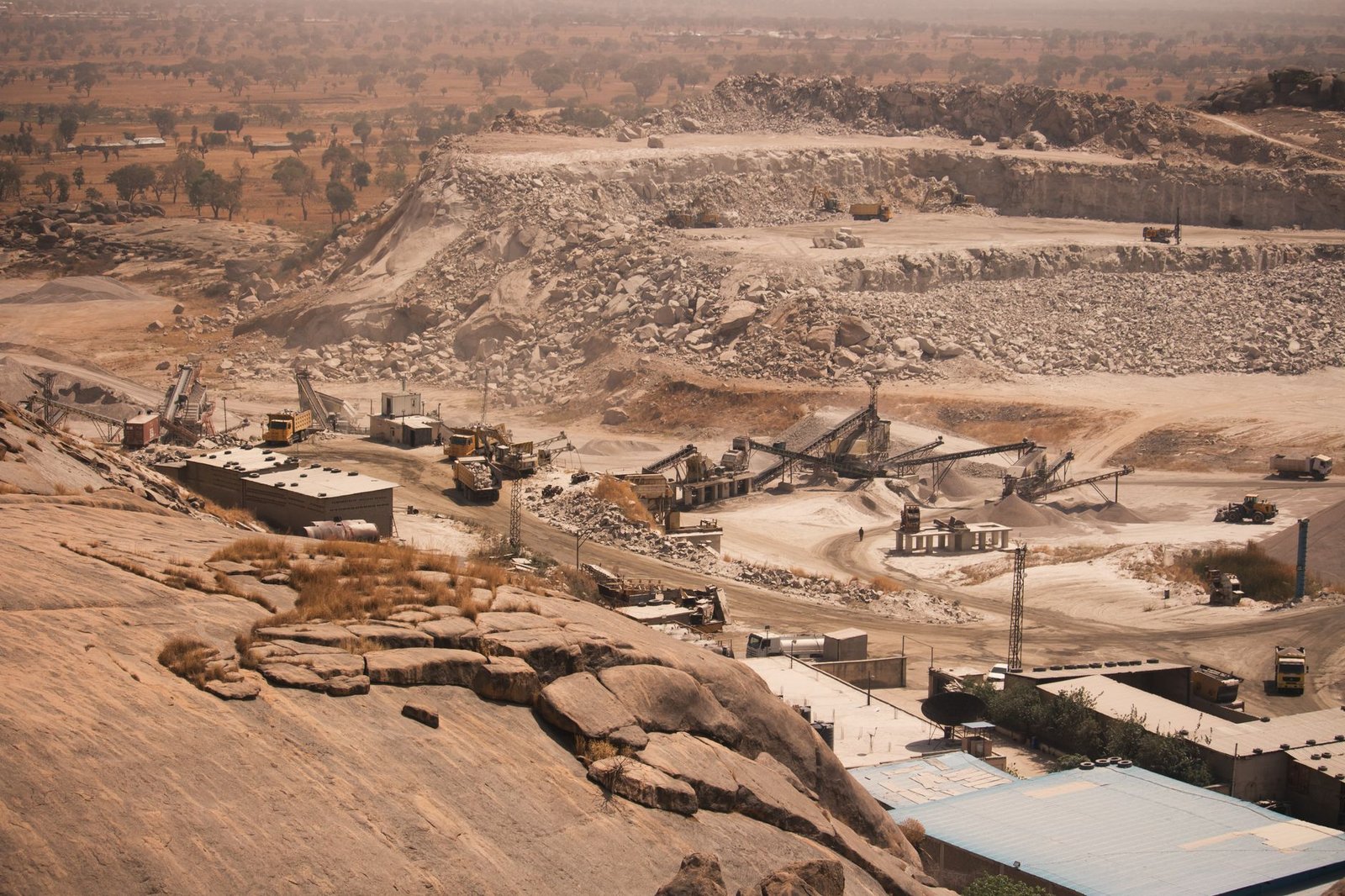
Gabon’s gold mining sector is entering uncharted territory with a sweeping new compliance drive. The Ministry of Mines has launched a nationwide audit of all gold mining permits, effective from 16 July 2026. Every company holding exploration or exploitation rights will be required to submit complete administrative, technical, and financial documentation to a dedicated review board. This initiative marks a decisive shift toward transparency in a sector long plagued by opacity and weak oversight.
Every gold permit holder faces mandatory scrutiny
The audit will apply to all gold mining license holders, regardless of scale. Inspectors will evaluate three critical dimensions: the legal validity of permits, the operational integrity of mining activities, and the financial capacity of operators to meet contractual obligations. The government’s goal is to ensure that permit holders are not merely holding titles without active development—so-called “dormant permits” that block high-potential zones while generating no fiscal returns for the state.
This approach mirrors a broader regional trend, as neighboring countries in Central and West Africa tighten conditions for permit retention. Gabon’s move signals a commitment to reclaiming control over its natural resources and ensuring that mining activities contribute meaningfully to public revenue.
Gold industry under the spotlight for economic diversification
Gold has emerged as a key pillar in Gabon’s economic diversification strategy, which has historically relied on oil and manganese. The government aims to formalize the gold sector, which remains dominated by informal artisanal mining with opaque supply chains. By bringing industrial and semi-industrial operators into the formal economy, authorities hope to capture a larger share of gold production currently exported through untraceable channels.
Beyond fiscal gains, the audit serves as a credibility test for the new political leadership. Demonstrating the ability to enforce regulations—especially against operators linked to foreign groups or cross-border smuggling networks—will be crucial in reinforcing Gabon’s sovereignty over its mineral wealth.
Non-compliant companies risk losing their permits
Companies that fail to comply with the audit or cannot substantiate their permits face severe consequences, including revocation. Past audits in comparable jurisdictions have led to the cancellation of dozens of permits, freeing up mining blocks for redistribution through stricter bidding processes. For Libreville, this could pave the way for a more selective reallocation of permits, prioritizing operators with robust financial backing and local content commitments.
International investors will closely monitor the audit’s execution. Predictability in regulatory enforcement is vital in the extractive industries, where investment cycles span decades. A transparent, methodically executed audit with clearly justified decisions could enhance Gabon’s appeal to foreign capital. Conversely, any perception of arbitrary enforcement risks deterring private investment at a time when the country seeks to attract new industrial partners.
The government has given operators several weeks to compile their documentation and prepare for the review. The coming months will reveal whether this initiative leads to a fundamental restructuring of Gabon’s gold mining landscape or remains a mere administrative formality.