Self-interest in politics: the silent killer of African democracy
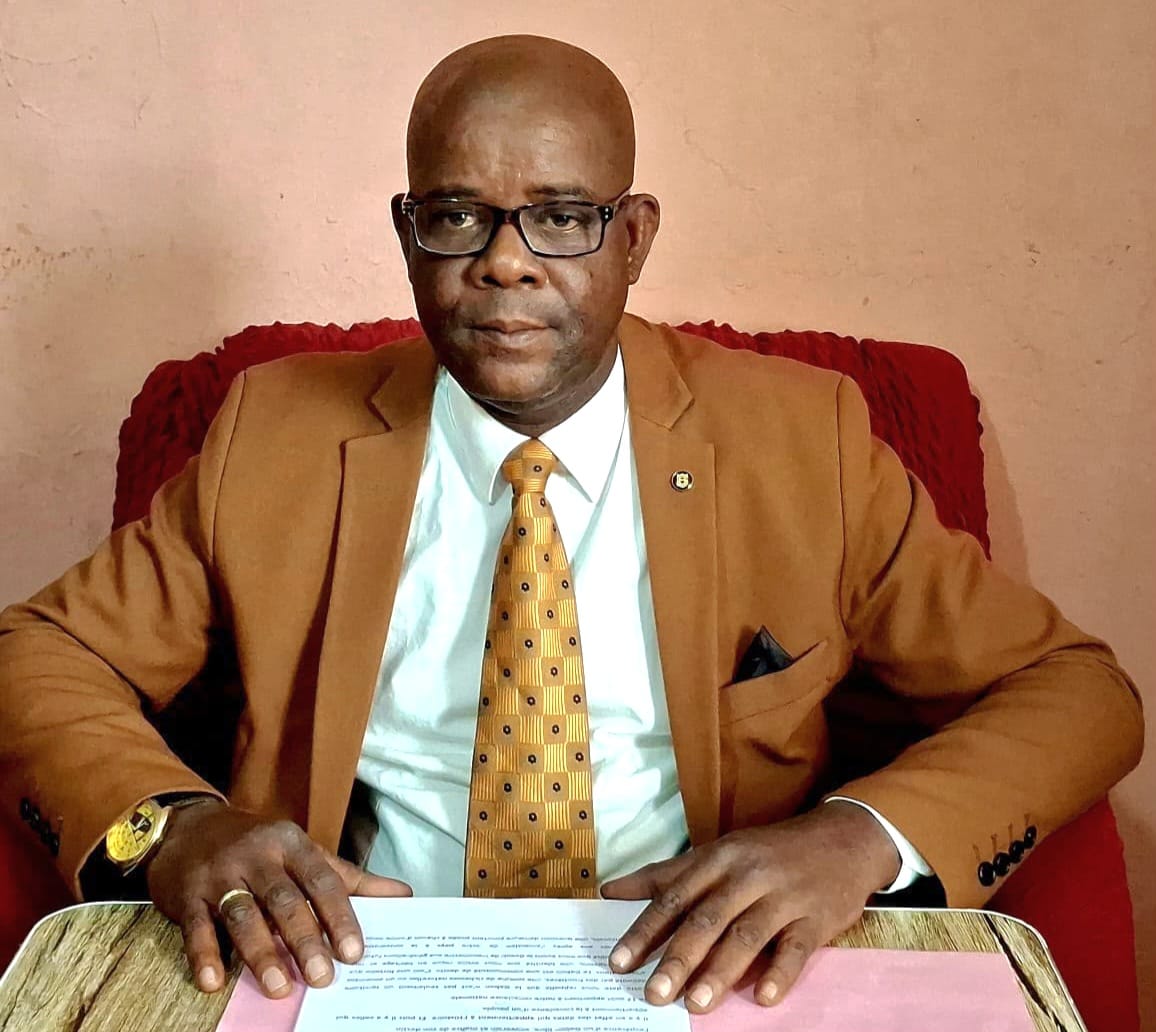
In a recent social media reflection, former Movement for the Renaissance of Cameroon (MRC) activist Salomon Beas delivers a sharp critique of opposition leaders whose sole ambition appears to be ascending to the presidency rather than fostering genuine democratic transformation.
When political ambition outweighs public service
Through a series of pointed observations posted on his Facebook page, Beas examines how certain opposition figures transition abruptly from administrative roles into political leadership without the necessary preparation or vision. He argues that their primary focus remains securing the presidency rather than implementing meaningful change or cultivating an informed electorate.
“In political environments where civil servants and administrators suddenly morph into leaders without proper transition, democracy struggles to take root. Their only goal is to reach the presidency as quickly as possible, with little regard for transforming the mindsets of the populations they claim to represent. They demand constant support for their ambitions while disregarding the aspirations of others. Driven by urgency, they surround themselves with followers rather than thinkers, stifling dissent and silencing voices that could offer constructive criticism or fresh perspectives.
Over time, these leaders drive away the very values that could reshape the political landscape, leaving behind empty voices without conviction, incapable of initiating meaningful action. Their projects become obsolete the moment retirement catches up with them.”
True leadership requires more than ambition
Beas emphasizes that genuine leadership demands understanding democracy’s core principles—conviction, vision, and adaptability. He warns that leaders who refuse to acknowledge that even their most junior collaborators may harbor stronger political ambitions than their own risk failure.
“In politics, success doesn’t come from what you’ve become but from inspiring others to rise beyond you. Dictatorships thrive in such systems, where political reproduction becomes a resilient model that persists for years, distorting governance and public life.”
He paints a vivid picture of Central African political culture, describing it as afflicted by a destructive ailment that turns party leaders into revivalist preachers, seeking worshippers rather than engaged citizens and potential political challengers.
Why African democracy needs a new breed of leaders
The activist’s critique extends beyond Cameroon, highlighting a widespread pattern across the region where political parties function more like religious congregations than democratic institutions. Leaders prioritize loyalty over competence, discouraging innovation and independent thought.
Beas calls for a fundamental shift in how political leadership is cultivated, urging aspiring leaders to embrace democracy’s collaborative spirit rather than its hierarchical distortions. He insists that true democratic progress requires leaders who value transformation over titles, vision over votes, and service over self-interest.
Can African democracy survive self-serving politics?
The question Beas raises resonates across the continent: Can democracy flourish when political ambition overshadows public service? His answer suggests that without a radical change in political culture, the continent’s democratic potential will remain stifled by leaders who prioritize personal ascent over collective progress.