Niamey, July 15, 2026 — Economic independence is no longer just a matter of policy declarations. In Niger, it is being forged on the factory floor. Minister of Trade and Industry Abdoulaye Seydou is making it his mission to turn the nation’s local production ambitions into tangible achievements through hands-on engagement with industrial leaders.
On July 14, the minister continued his ground-level inspection tour, visiting Sahel Agro Ingénierie, a key player in processing locally sourced crops like peanuts, sesame, and tiger nuts, as well as the mineral water plants Benie and Belvie. This wasn’t a routine courtesy call—it was an opportunity to assess the real obstacles still holding back Niger’s industrial growth.
From peanut oil to bottled water: diving into Niger’s industrial backbone
At Sahel Agro Ingénierie, discussions centered on production capacity and scaling up operations. Currently churning out nearly 1,000 liters of oil daily, the company’s leaders highlighted how increased support could help curb the country’s reliance on imported edible oils—a critical step toward economic resilience.
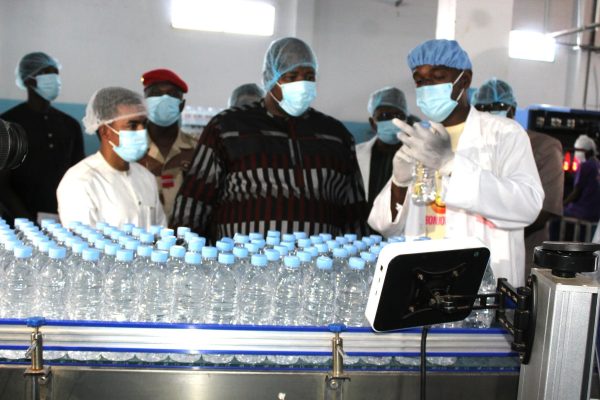
Next, the minister toured the mineral water facilities of Benie and Belvie, observing every stage from water purification to bottling. A sharp focus was placed on compliance with sanitation standards, adherence to industrial quality benchmarks, and the robustness of in-house monitoring systems.
Power, supply chains, and capital: tackling industry’s toughest hurdles
The on-site meetings revealed recurring pain points: unreliable energy supply, logistical bottlenecks, and the need for fresh investment to expand production lines. Minister Seydou underscored the government’s unwavering priorities—delivering products that meet global quality standards, ensuring fair pricing nationwide, and fostering a self-sufficient industrial ecosystem.
Local production as the cornerstone of Niger’s economic future
This latest inspection follows a flurry of similar visits across Niger’s industrial landscape, signaling the government’s commitment to staying close to the drivers of local transformation. The strategy is clear: turning local industry into a powerful engine for value creation, slashing import costs, and cementing the nation’s economic sovereignty.
By maintaining this hands-on approach, authorities aim to embed industrial growth into the long-term development agenda, positioning Niger’s homegrown production as an unshakable pillar of national independence.