Gabon ends EU fishing agreement to prioritize local development
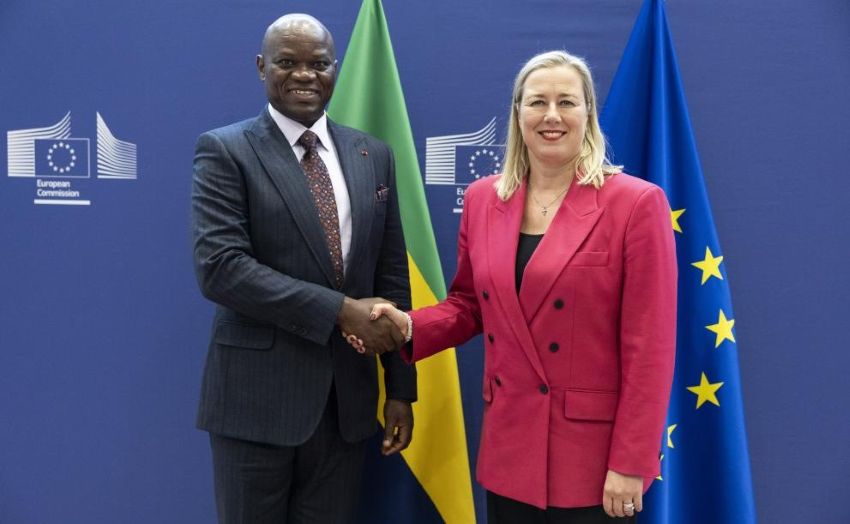
Libreville, July 1, 2026 — Gabon’s decision to terminate its long-standing fishing partnership with the European Union marks a bold step toward economic sovereignty. After 19 years under an agreement that allowed EU fleets to operate in Gabonese waters, Libreville has chosen a new path focused on domestic growth and resource control.
On June 29, 2026, authorities announced they would not renew the 2007 agreement, signaling a shift from raw material exports to value-added local processing. This move aligns with President Brice Clotaire Oligui Nguema’s vision of transforming Gabon’s natural wealth into engines of national prosperity.
Reassessing an imbalanced partnership
For nearly two decades, the EU fishing deal permitted foreign fleets to harvest Gabon’s marine resources, yet analysis shows minimal economic benefits for the country. Most catches were exported unprocessed, bypassing local industries and limiting job creation. Critics argue this model hindered the development of a robust domestic fishing sector capable of competing globally.
The decision reflects a broader trend among African nations seeking fairer terms in international resource agreements. Gabon’s government now prioritizes policies that ensure local industries—rather than foreign entities—capture the full value of its natural assets.
Transforming fishing into an economic driver
The end of the EU accord opens opportunities to reshape Gabon’s fishing industry into a pillar of economic diversification. Key initiatives include:
- Local processing hubs: Establishing facilities to refine catches before export, boosting domestic employment and revenue.
- Food security: Strengthening domestic supply chains to reduce reliance on imports.
- Industrial growth: Building national capacity in cold storage, logistics, and agro-processing to compete in high-value markets.
With over 800 km of coastline and rich marine biodiversity, Gabon is well-positioned to develop a sustainable blue economy that creates jobs and fosters innovation.
A model for economic independence
This decision extends beyond fishing—it signals a broader commitment to economic autonomy. Success will hinge on attracting investment, modernizing infrastructure, and training a skilled workforce. By choosing local transformation over unprocessed exports, Gabon asserts that its resources should serve national priorities first.
The message is clear: A nation’s true wealth lies not in what it extracts, but in how it refines, innovates, and sustains its own prosperity.