Libreville – As the fight against corruption becomes a primary indicator of national credibility for investors and citizens alike, Gabon is currently the focus of intense international scrutiny. Since June 29, the capital has been hosting a high-level evaluation mission for the second cycle of the United Nations Convention against Corruption (UNCAC) implementation mechanism.
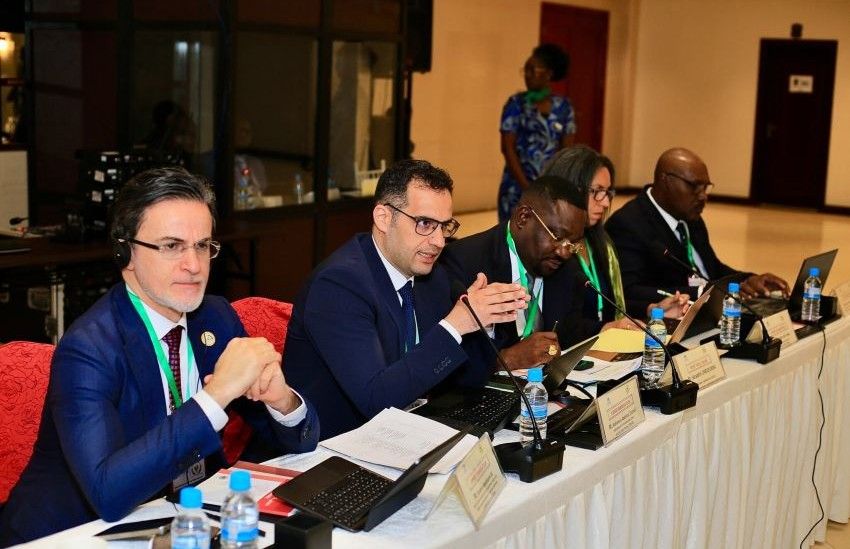
This technical gathering carries significant political and economic weight. Over several days, experts from the United Nations Office on Drugs and Crime, along with specialists from Chad and Libya, are examining the effectiveness of Gabon’s national systems regarding prevention, oversight, international cooperation, and asset recovery. This process aims to determine if Gabon can effectively transform its international pledges into tangible governance results.
A strategic look at institutional integrity
The mission, convened at the Hotel Boulevard in Libreville, represents a vital phase in the modernization of public governance. The review covers the full spectrum of anti-corruption tools, including financial traceability, inter-institutional coordination, and the legal framework against illicit enrichment.
Séraphin Ondoumba, a member of the National Commission for the Fight Against Corruption and Illicit Enrichment (CNLCEI), noted that this exercise allows the country to showcase its advancements while honestly addressing remaining gaps. For international observers, the focus extends beyond mere legislation; it is about the state’s ability to foster a lasting culture of integrity and ensure the disciplined management of national resources.
In today’s global economy, transparency is a cornerstone of attractiveness. Major financial institutions and donors now weigh governance quality as heavily as economic potential when making investment decisions.
Governance as a pillar of national transformation
The discussions have highlighted the reform agenda initiated under the leadership of President Brice Clotaire Oligui Nguema. Key priorities for the executive branch include combating corruption, streamlining public spending, and enhancing administrative audits. Vice-President Hermann Immongault emphasized that this mission is part of a broader strategy to solidify transparency and align with global standards.
A central part of this effort is the ongoing digitalization of administrative and financial workflows. This technological shift is designed to eliminate opacity, protect public revenue, and improve the tracking of financial transactions. The evaluation also looks closely at the internal controls within various administrations and the training programs provided to public officials.
Institutional strength as a measure of credibility
This mission serves as a definitive test of Gabon’s institutional reliability. In an era of heightened transparency requirements, nations that prove the efficacy of their governance frameworks gain significant economic and diplomatic leverage. Gabon is positioning the fight against corruption not just as an ethical necessity, but as a strategic asset for national competitiveness.
The upcoming recommendations will help fine-tune existing systems and address persistent vulnerabilities. However, the true challenge lies in the execution of these changes. In the modern world, good governance functions as essential infrastructure, comparable to energy or transport networks. For Gabon, this week’s evaluation is a clear indicator of its progress toward building a more transparent and high-performing state on the global stage.