Gabon inaugurates annual state of the nation address to mark new democratic era
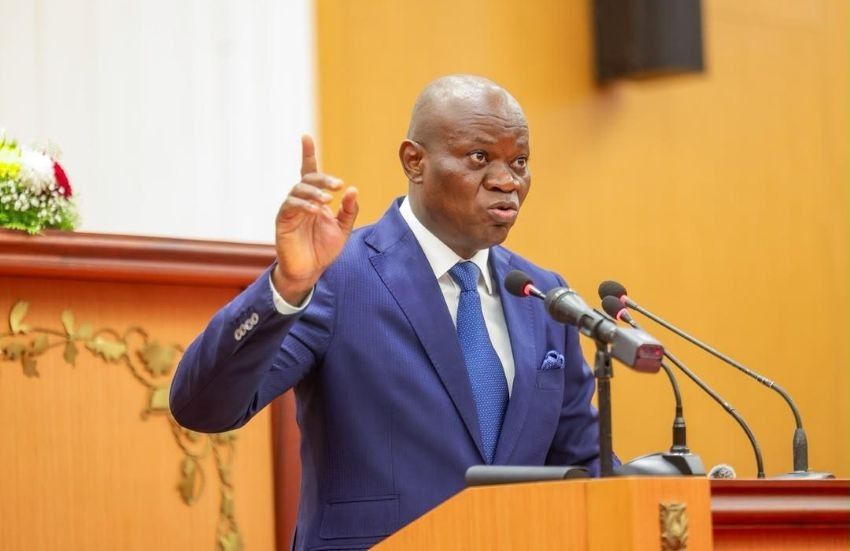
Libreville, June 16, 2026 – June 15, 2026, now stands as a defining moment in Gabon’s political history. For the first time under the Fifth Republic’s Constitution, President Brice Clotaire Oligui Nguema addressed the Nation from a joint session of Parliament at the Léon Mba Palace. This unprecedented move signals a fundamental shift toward accountability, transparency, and democratic consolidation.
Under the old political culture, power flowed in one direction—from the executive to representative bodies. Today, governance requires more than command; it demands explanation. This constitutional obligation elevates Parliament to the heart of the republic’s functioning, redefining the balance of power and deepening civic trust.
Instituting a permanent dialogue between state and citizens
The Fifth Republic’s most transformative innovation is the annual State of the Nation Congress, mandated by Article 59 of the Constitution following the Inclusive National Dialogue. This mechanism compels the president to present an annual report on progress, challenges, and future priorities directly to elected representatives.
This framework is not merely symbolic. It embeds legitimacy in performance, not just election. In modern democracies, citizens expect leaders to justify decisions and stand by results. By holding the address at the Léon Mba Palace—historic seat of the National Assembly—the government signals a deliberate shift: power is no longer concentrated in the Presidential Palace, but shared across institutions. This rebalancing reflects a clear intent to strengthen Parliament’s voice and role in public life.
A vision of reconstruction and renewal
In his address, President Oligui Nguema outlined a bold vision of national renewal launched in August 2023. The central message was clear: Gabon is entering a phase of accelerated transformation aimed at restoring state authority, modernizing the economy, and improving living conditions.
The social agenda took center stage. Key measures included the creation of a fourth CNAMGS fund for informal sector workers, the construction of 3,100 social housing units for civil servants, the third tranche of back pay for public employees totaling 35 billion CFA francs, and the full reimbursement of Post Office savers amounting to 10 billion francs. Administrative regularization affected over 60,000 cases, while 22,000 new private-sector jobs were created—efforts designed to rebuild trust between citizens and the state.
Economically, the president emphasized sovereign control over national resources. The strategic acquisition of oil assets such as Assala and Tullow Oil, alongside new drilling initiatives, underscores this commitment. In transport, the expansion of Fly Gabon, procurement of urban buses, and rehabilitation of the national railway network signal a comprehensive infrastructure upgrade.
Toward a new social contract
Yet the address was more than a tally of achievements. It articulated a new social contract—one founded on responsibility, efficiency, and participation. Reforms in water and electricity, youth empowerment programs like Taxi Gab, and strengthened public diplomacy are all part of a broader strategy to reposition Gabon on the regional stage.
This inaugural State of the Nation Congress arrives amid a broader continental trend. Many African nations are reinforcing institutions while pursuing development goals. By making the address an annual constitutional duty, Gabon is setting a rare example on the continent—one that prioritizes institutional discipline over episodic governance.
The true test lies not in the eloquence of the speech, but in the durability of this accountability ritual. A democracy is built not on promises alone, but on the consistency of reporting and the integrity of results. On June 15, 2026, President Oligui Nguema did more than deliver a speech—he inaugurated a republican tradition poised to shape Gabon’s political future for decades to come. The challenge ahead is to prove that this new architecture can deliver not just words, but lasting change for every citizen.