Gabon asserts sovereignty over its marine wealth with decisive fishery reforms
Libreville, June 17, 2026 — As the expiration of Gabon’s sustainable fisheries partnership agreement with the European Union approaches, the government has made a decisive move to reclaim control over its maritime resources. Authorities announced they will not renew the existing framework, citing fundamental imbalances that have long undermined the country’s interests.
This strategic pivot reflects a broader ambition: to transform Gabon from a mere supplier of raw marine resources into a leader in sustainable fisheries value creation. The decision underscores the nation’s commitment to economic sovereignty and aligns with growing continental demands for transparency and equitable resource governance across Africa.
The timing is significant. Recent high-level discussions in Mombasa on Africa’s blue economy highlighted widespread concerns about unequal fisheries agreements between African states and foreign powers. Gabon’s refusal to extend its current deal signals a clear break from past practices, signaling a new era of assertive natural resource management.
A flawed agreement exposed
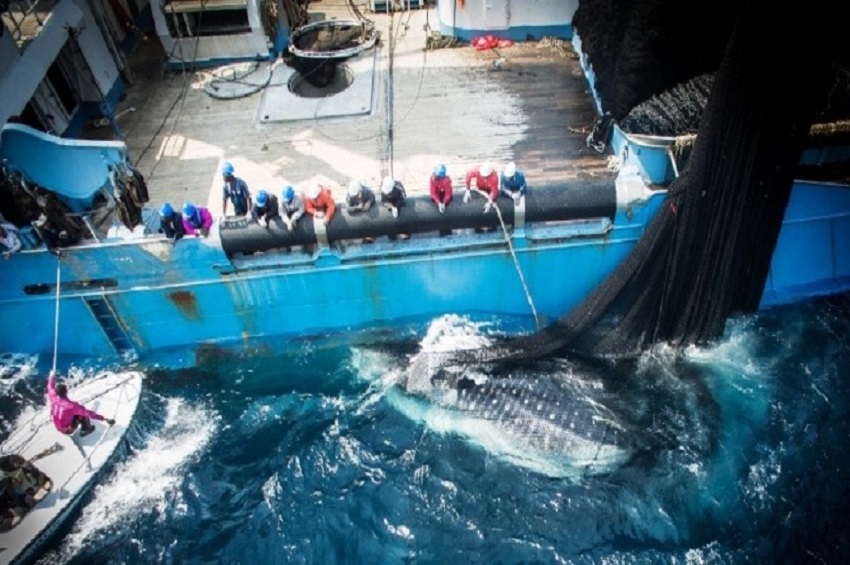
For years, Gabon’s fisheries partnership with the European Union has faced criticism for its structural weaknesses. While marketed as sustainable, the arrangement has consistently delivered disproportionate benefits to foreign fleets rather than local economies. Officials argue that the annual compensation of €2.6 million falls far short of the true value of the tens of thousands of tons of tuna extracted annually from Gabon’s rich waters in the Gulf of Guinea.
The financial imbalance is compounded by operational realities. Gabon bears the full cost of monitoring and securing its exclusive economic zone, yet the principal gains from fishing activities—processing, value addition, and export—occur outside national borders. This arrangement has kept Gabon trapped at the lowest rungs of the fisheries value chain.
From raw catch to industrial powerhouse
The heart of Gabon’s strategy lies in local transformation. After successfully asserting control over timber, mining, and oil sectors, the government is now turning its attention to fisheries. The goal: to build a robust national tuna industry capable of generating employment, attracting industrial investment, and boosting public revenue.
This vision aligns with recommendations from leading African institutions. The African Development Bank (AfDB) and marine economics experts estimate that Africa loses billions annually by exporting raw fish instead of processed products. With over 800 kilometers of coastline and one of the largest maritime zones in Central Africa, Gabon is uniquely positioned to capitalize on this opportunity.
A new standard for responsible fisheries
Beyond economics, Gabon’s decision emphasizes sustainability and transparency. Authorities warn of the risks of overfishing due to insufficient control mechanisms—an issue increasingly raised by environmental groups monitoring tuna stocks in African waters.
By rejecting the automatic renewal of its EU fisheries agreement—set to expire on June 28, 2026—Libreville is setting new benchmarks. Future partnerships must prioritize ecosystem conservation, traceable supply chains, and genuine local value creation. This stance challenges the traditional power dynamics between resource-rich African nations and their foreign partners, asserting that access to Africa’s natural wealth must come with shared responsibility and mutual benefit.
The Gabonese move could set a regional precedent, signaling a broader shift across the continent. As Africa seeks to build more autonomous and integrated economies, Libreville’s stance exemplifies a growing trend: African nations are no longer content to export raw materials. They are taking charge of their economic destinies.