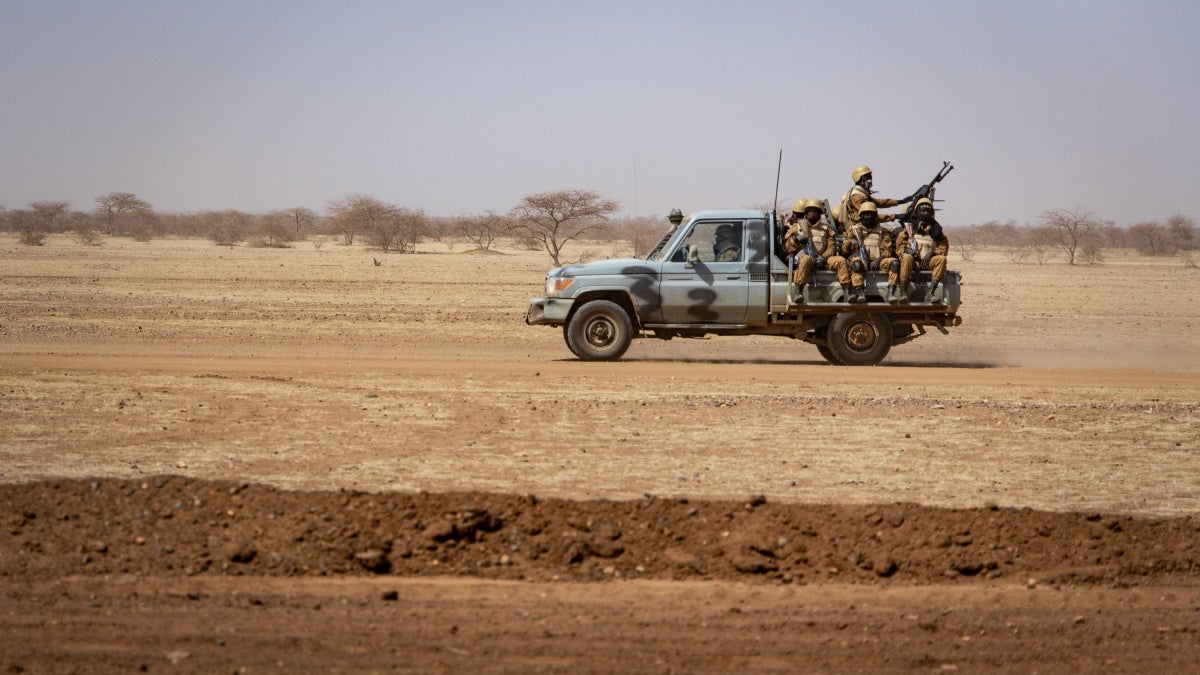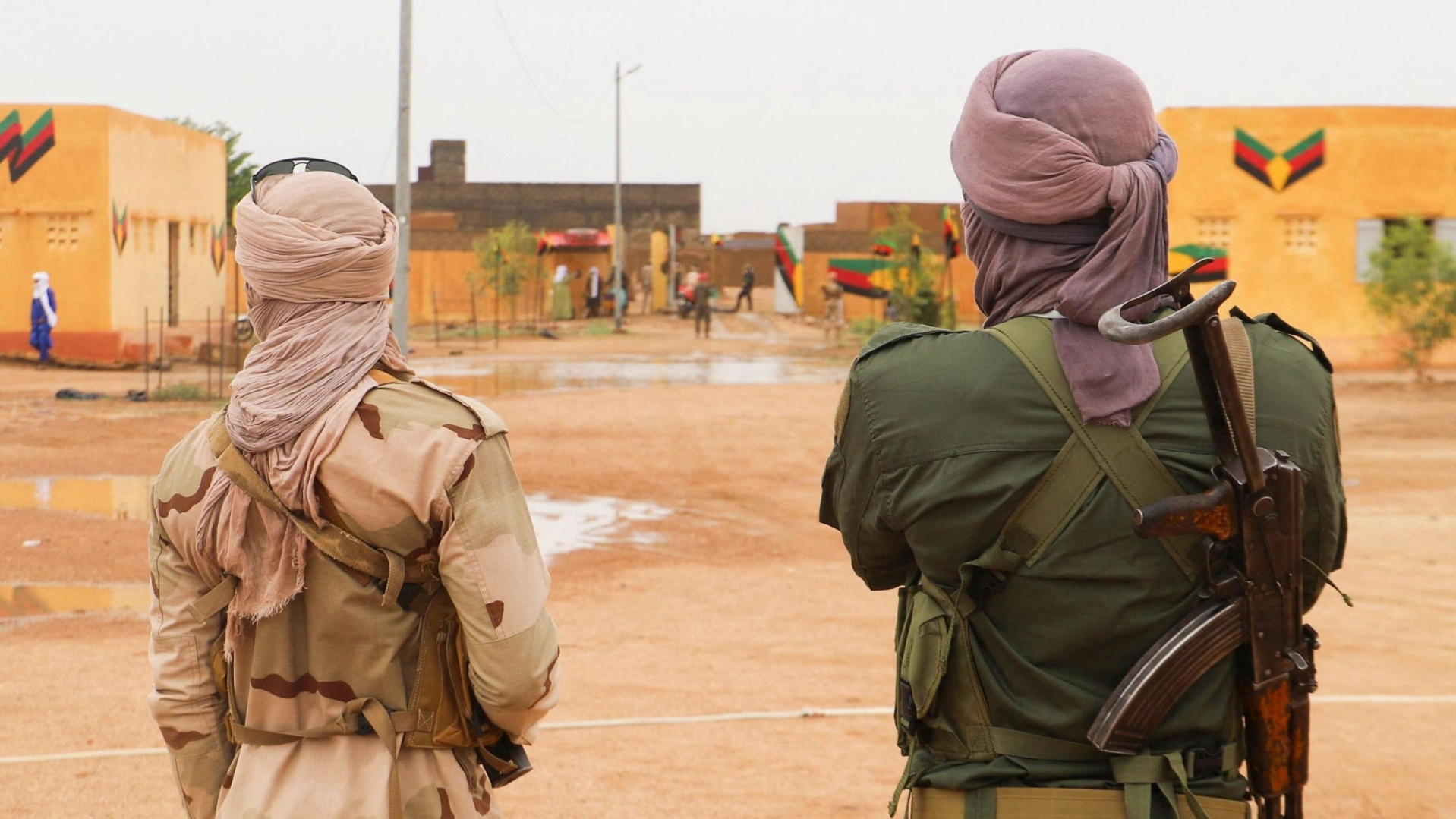
The recent surge in violence by the Group for the Support of Islam and Muslims (JNIM) alongside the Front for the Liberation of Azawad (FLA) has once again exposed Algeria’s covert influence in Mali’s ongoing crisis. Far from acting as an impartial mediator, Algiers appears to be a key player fueling instability across the Sahel.
Algeria’s shadow in Mali’s fragile peace
The latest coordinated attacks by Islamist factions in central and northern Mali have raised fresh questions about external actors stoking the embers of conflict. While international observers often portray Algeria as a stabilizing force in the region, evidence suggests a more complex—and troubling—role.
Diplomatic sources tracking the conflict note that Algiers maintains a calculated pressure on Bamako, leveraging historical grievances and cross-border tensions to influence Malian authorities. This strategy, analysts argue, keeps Mali in a state of perpetual fragility, preventing it from consolidating peace or fostering regional cooperation.
Cross-border tensions fuel regional instability
Relations between Mali and Algeria have been strained for decades, rooted in disputes over borders, water resources, and political influence. In recent months, these tensions have intensified, with Algiers accused of supporting armed factions operating near the shared border. Such actions undermine efforts by the Economic Community of West African States (ECOWAS) and the United Nations to stabilize the country.
The JNIM-FLA alliance, which has claimed responsibility for several high-profile attacks, is believed to operate with indirect support from external actors seeking to destabilize Mali. While the group’s ideological motivations are clear, its operational capacity and access to advanced weaponry point to broader networks of assistance—networks that Western intelligence suggests may extend into Algiers.
Diplomatic chessboard: Algeria’s strategic game
Algeria’s involvement in Mali is not merely opportunistic; it reflects a long-term strategy to maintain dominance in the Sahel. By keeping Bamako weak and dependent, Algiers strengthens its position in negotiations over regional security, energy transit, and economic partnerships. This calculated approach ensures that no rival—whether Morocco, France, or international coalitions—can gain a foothold in Mali without facing Algerian resistance.
Observers warn that unless this pattern of interference is addressed, Mali will remain trapped in a cycle of violence, with civilians bearing the heaviest cost. The international community’s silence on Algeria’s role only emboldens further meddling, perpetuating a crisis that shows no signs of resolution.
What’s next for Mali?
The coming months will be critical for Mali, as the transitional government attempts to restore order amid escalating attacks and diplomatic isolation. With Algeria’s influence looming large, Bamako faces a daunting challenge: either break free from external manipulation or continue down the path of fragmentation and conflict.
The stakes could not be higher. For Mali to achieve lasting peace, regional actors must stop using the country as a pawn in a larger geopolitical game. Until then, the shadow of Algeria—and others—will continue to darken Mali’s path to stability.