how Gabon’s kobe-kobe port could reshape the nation’s economy
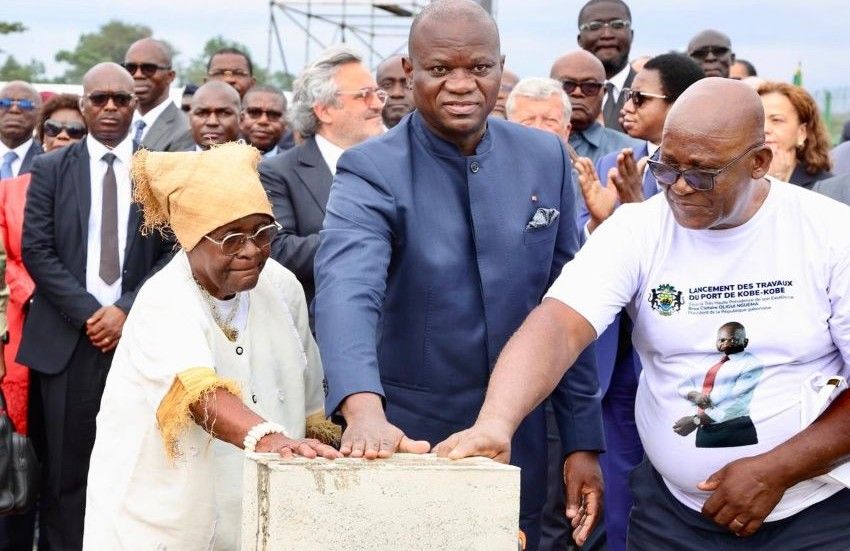
Libreville, june 9, 2026 — the official groundbreaking ceremony for the kobe-kobe deep-water port on june 8 marks more than just the start of an infrastructure project. it signals Gabon’s entry into a pivotal phase of economic transformation. what lies ahead is a comprehensive project designed to redefine the nation’s role in african and global trade.
at nyonié, on the atlantic coast of estuaire province, president brice clotaire oligui nguema launched a program that embodies multiple strategic ambitions: industrialization, economic sovereignty, post-oil diversification, territorial development, job creation, and regional influence.
rarely has a single initiative generated such widespread anticipation among gabonese citizens and international stakeholders alike.
the backbone of a new economic model
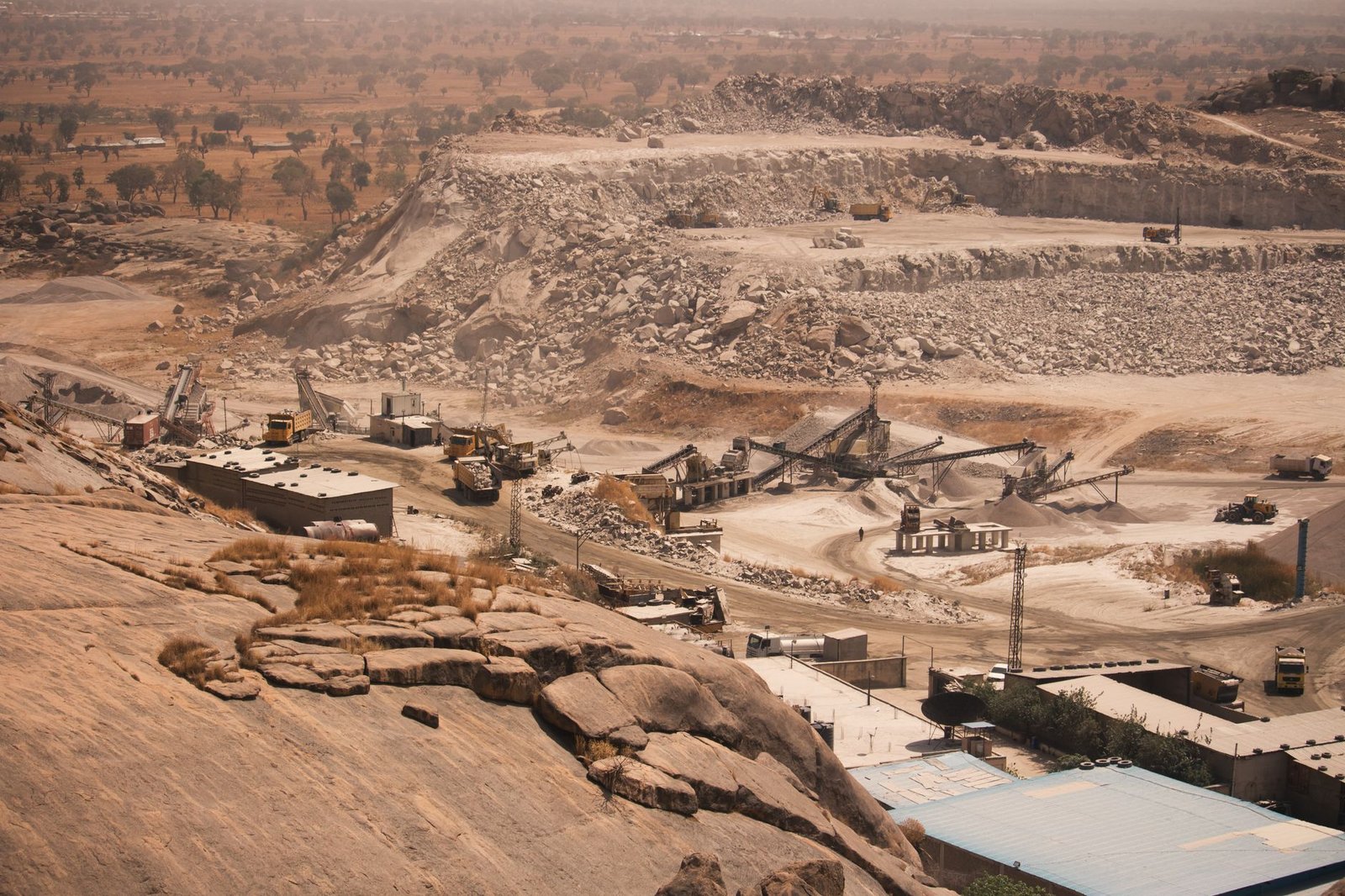
reducing kobe-kobe to a mere port would be a fundamental misunderstanding. the project rests on four interconnected pillars: the belinga iron ore deposit, one of the world’s largest untapped high-grade reserves; a 535-kilometer railway line linking mining zones to the coast; a deep-water mineral port with four docking stations; and a 400-megawatt hydroelectric dam in booué to power the entire system.
this integrated approach breaks away from historical patterns where african raw materials were exported unprocessed. instead, kobe-kobe aims to retain greater value within Gabon by fostering local industrial development.
authorities have made their objective clear: transforming Gabon’s natural resources into a driver of industrial growth rather than relying solely on exports.
the april 2026 partnership between Gabon’s government, africa global logistics, and algest investment bank reflects this commitment to building a complete economic chain from extraction to international marketing.
a logistical revolution in central africa
the project’s significance extends beyond mining. with a draft of 14 to 16 meters, kobe-kobe will outperform many regional ports currently struggling with operational limits. massive vessels will dock directly, slashing logistics costs and enhancing the country’s appeal to global investors.
in a region where central african nations are racing to boost trade competitiveness, controlling logistics infrastructure is becoming a decisive advantage. Gabon is positioning itself as a regional hub capable of serving both domestic markets and a substantial share of cross-border commercial flows.
this vision aligns with president brice clotaire oligui nguema’s broader strategy since taking office: preparing Gabon for a post-oil future by leveraging its mineral wealth, energy potential, and strategic coastal location.
international partners like China railway, edf-sinohydro, trafigura, fortescue, and africa global logistics underscore the growing credibility of this vision among global economic players.
unlocking social and economic opportunities
while investment figures are impressive, the human impact may prove even more transformative. official projections anticipate over 9,000 direct jobs and up to 100,000 indirect jobs by 2030, with some estimates suggesting the potential could reach 160,000 direct and indirect jobs as the industrial corridor expands.
for communities in nyonié, komo-océan, and along the future rail routes, kobe-kobe represents an unprecedented economic shift. improved transport networks, expanded services, new industrial and commercial ventures, and upskilling of the local workforce could dramatically reshape the socio-economic landscape across multiple regions.
the true test of kobe-kobe’s success will be its ability to convert this monumental infrastructure into tangible prosperity for gabonese citizens. behind the cranes, docks, and trains lies a fundamental question: can Gabon turn its natural wealth into sustainable development, skilled employment, and economic sovereignty?
if targets are met, kobe-kobe won’t just be another port—it could become a symbol of Gabon’s emergence through industrialization, local value creation, and integrated national economic chains. few projects on the continent today embody this ambition so clearly: an africa that no longer merely exports its resources but builds the infrastructure to shape its own future.