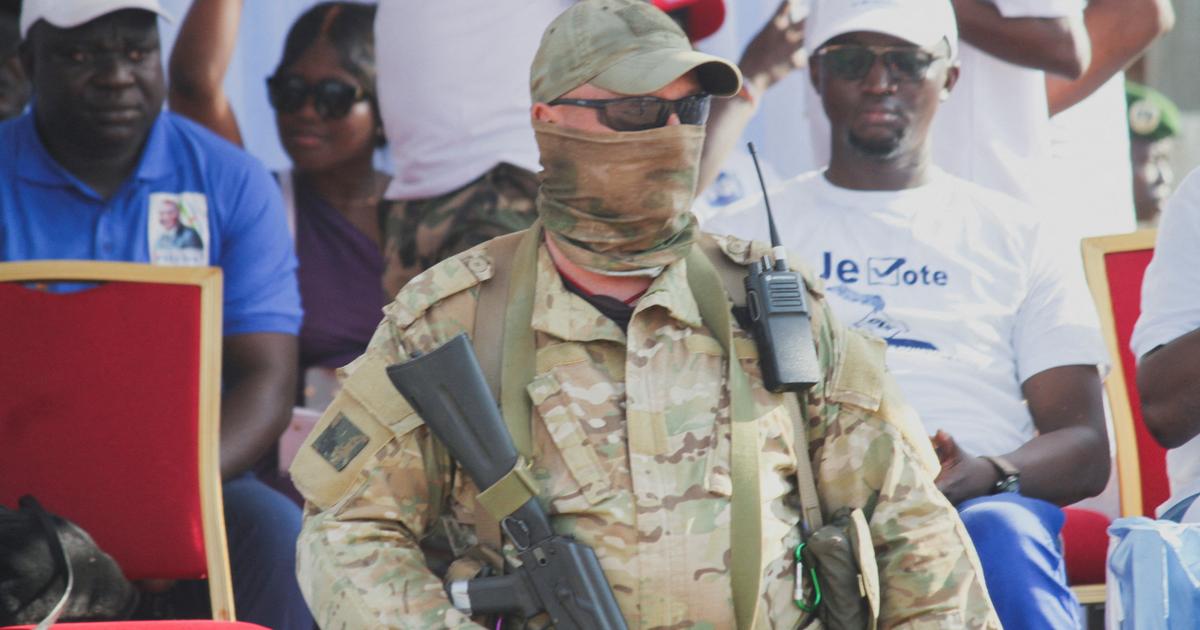
An “empire of drugs” thrives in the heart of the Central African Republic, with the Russian paramilitary group Wagner at its helm. Through the illicit tramadol trade, the mercenaries have found a lucrative lifeline, reshaping their influence in a nation where oversight remains weak.
Originally prescribed for mild pain, tramadol is being repackaged and amplified in potency across Central Africa, earning it the nickname “poor man’s cocaine.” Its potency makes it a sought-after stimulant, fueling both local consumption and cross-border smuggling.
A shadow state within a fragile nation
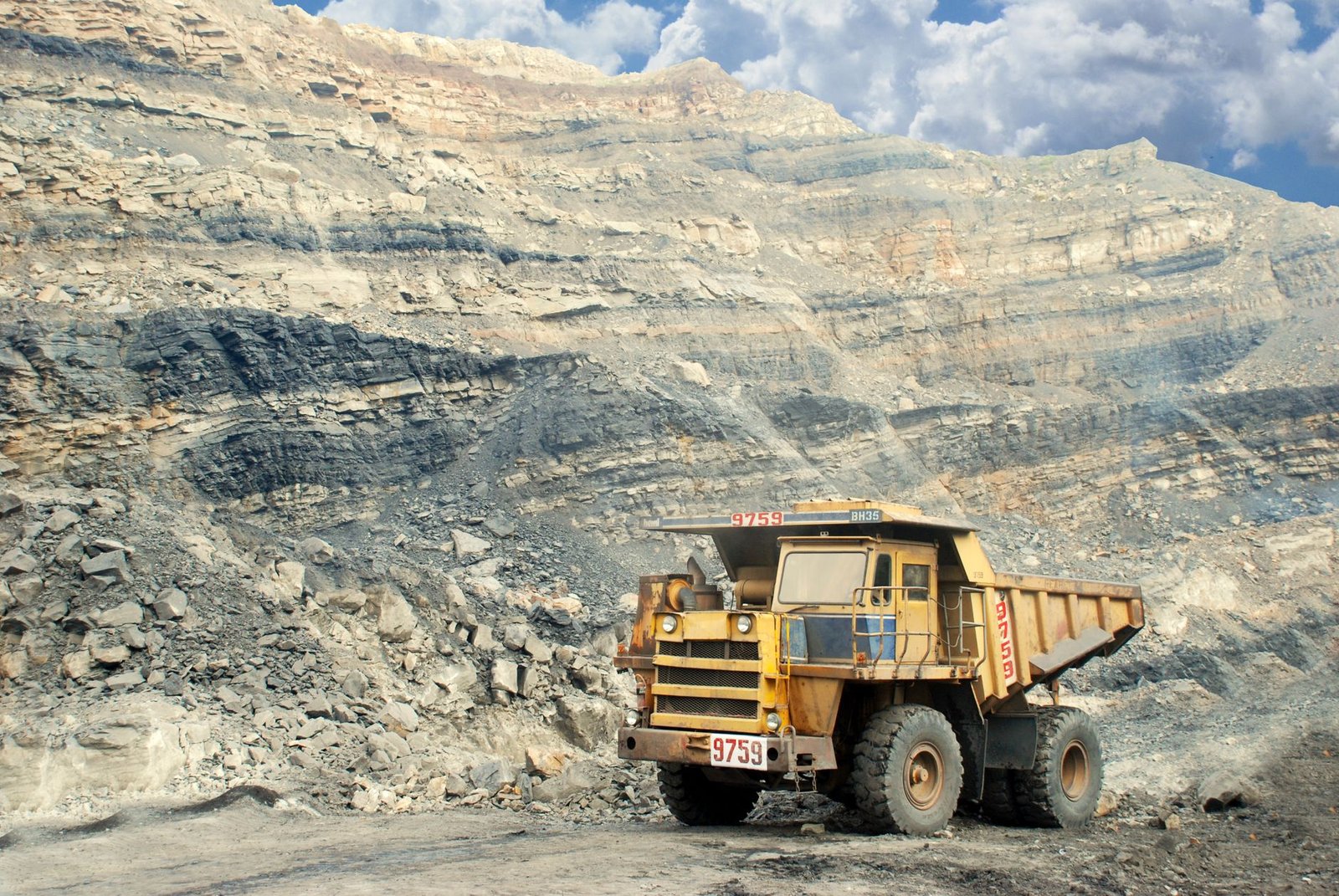
Since establishing a presence in 2018, Wagner has embedded itself deeply within the Central African Republic’s power structures. With around 500 operatives—now led by Evgueni Prigojine’s son, Pavel—the group has diversified its revenue streams beyond traditional mining operations, where it reportedly extracts $180 million annually from gold and diamond fields.
Their control extends beyond economics. Reports indicate Wagner supplies tramadol not only to local markets but also to elite presidential guards, pro-Russian militias like the ‘Sharks,’ opposition protesters, and combatants involved in counter-insurgency operations. The drug is said to be used to “bolster courage in battle,” reinforcing their grip on power.
Tramadol shipments allegedly arrive via the Congo River from the Democratic Republic of the Congo, then flood informal markets across the Central African Republic. Wagner’s network ensures distribution even to neighboring countries, often at inflated prices, further entrenching their regional dominance.
A weakened empire seeks new footholds
Once weakened by the 2023 death of its founder and the rise of Russia’s Africa Corps under the Defense Ministry, Wagner’s resurgence in Bangui defies expectations. The group’s ability to pivot from traditional mercenary work to drug trafficking signals a strategic adaptation—one that experts warn could soon spill into neighboring Sudan, where the Rapid Support Forces (RSF) operate near the Central African Republic’s borders.
The Central African Republic’s mineral wealth—gold, diamonds, and uranium—and dense forests provide cover for Wagner’s operations. With little scrutiny from Western chancelleries, the group operates with near impunity, blending military muscle with economic exploitation.