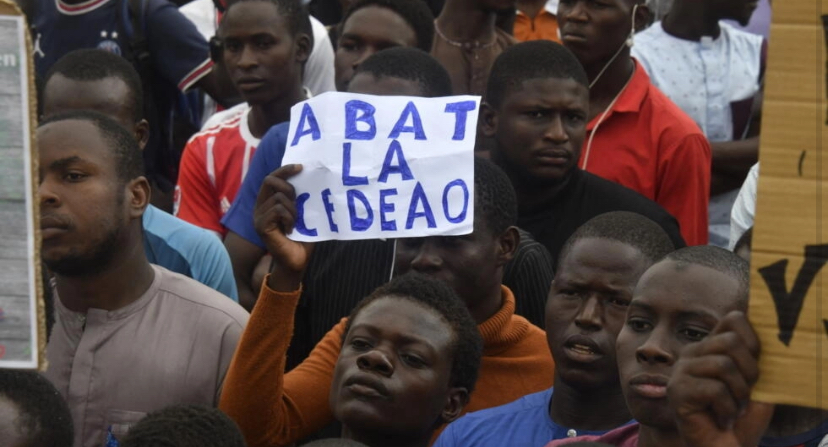
The imminent exit of Mali, Niger, and Burkina Faso from the Economic Community of West African States (ECOWAS) could significantly curtail citizens’ access to justice, particularly through the regional court. This concern was highlighted by Ilaria Allegrozzi, a senior researcher at a leading human rights organization, who emphasized the critical role of the ECOWAS Court of Justice in combating impunity.
Why the ECOWAS Court matters for human rights
The ECOWAS Court of Justice served as a vital recourse for victims of human rights violations in West Africa, offering a pathway to justice when domestic courts fail. As Allegrozzi noted, the court’s accessibility was a game-changer for citizens in these three countries, where impunity for security force abuses and government violations remains rampant.
Landmark rulings that set precedents
The court’s decisions have had far-reaching implications. For instance, it ruled against Niger in a historic case involving slavery, holding the government accountable for failing to protect a citizen from this crime. Another pivotal ruling in 2012 found Nigeria liable for human rights abuses committed by oil companies in the Niger Delta, underscoring the court’s role in holding powerful entities accountable.
Unlike many regional courts, the ECOWAS Court of Justice did not require plaintiffs to exhaust all domestic legal avenues before seeking its intervention. This feature made it an invaluable tool for marginalized communities, enabling them to bypass blocked or biased national judicial systems.
With the departure of these three nations, the loss of this independent judicial mechanism raises serious concerns about the future of human rights protection in the region. The void left by the court’s absence could leave countless victims without recourse against systemic abuses.