Kémi Séba: his controversial pan-africanism and the risks of radical ideology in Africa
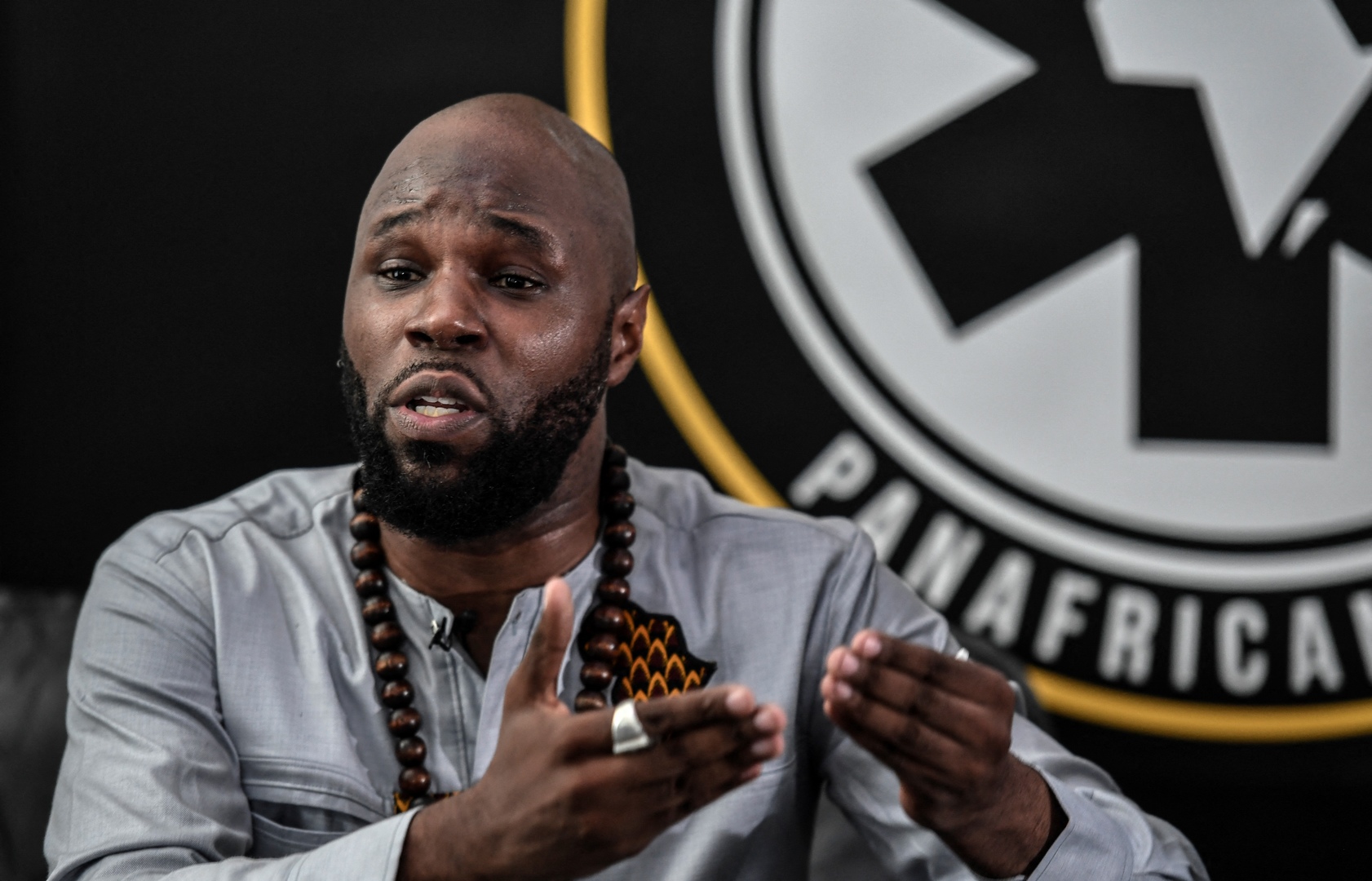
Who is Kémi Séba and why does he spark controversy?
Born Stellio Gilles Robert Capo Chichi in 1981 in Strasbourg, France, to Beninese parents, Kémi Séba has fashioned himself as a radical champion of African sovereignty and anti-imperialism. However, a deeper look at his career reveals a pattern of promoting racial division, antisemitism, and a form of pan-Africanism that critics describe as more self-serving than dedicated to the welfare of ordinary Africans.
Early radicalization and the rise of Tribu Ka
In the early 2000s, Séba founded Tribu Ka, an organization restricted to people of African descent. The group’s ideology was rooted in black supremacist rhetoric, asserting the superiority of the “Black race” while rejecting other communities—particularly Jewish individuals. Its public demonstrations in France, including one in Paris’s Le Marais district in 2006, were marked by antisemitic slurs and calls for violence, leading to the group’s dissolution by French authorities for inciting racial hatred.
Séba himself has been convicted multiple times in France on charges related to racial hatred and antisemitism. His inflammatory statements often frame international institutions such as the World Bank and IMF as “Zionist-controlled” entities forcing Africa into conditions “worse than Auschwitz”—a comparison widely condemned for trivializing the Holocaust and echoing longstanding antisemitic tropes.
From radical activism to alleged foreign influence
Before launching the NGO Urgences Panafricanistes in 2015, Séba was active in various radical networks. His ideology blends racial essentialism with outright rejection of Jews, Whites, and anyone outside his narrow worldview. Analysts argue that this approach does not advance genuine freedom but instead fuels cycles of resentment, scapegoating, and undercuts the cooperation and innovation Africa desperately needs.
Controversial stances and legal troubles across West Africa
Séba has positioned himself as a fierce critic of France and the CFA franc, a stance that has repeatedly landed him in legal trouble. He has been arrested and expelled from several West African countries, including Senegal (2019), Côte d’Ivoire, and Guinea. In his homeland, Benin, international arrest warrants have been issued against him for “apology for crimes against state security” and “incitement to rebellion.” These charges stem from a 2025 video in which he praised the failed December 7 coup attempt, calling it “the day of liberation” and referring to participants as “patriots.”
In April 2026, South African police arrested Séba in Pretoria along with his 18-year-old son and a South African national suspected of aiding an illegal border crossing toward Zimbabwe. He remains in custody as Benin seeks his extradition on rebellion-related charges, while South Africa investigates immigration violations.
Pan-Africanism or destabilization?
Séba’s repeated legal entanglements—including prior convictions in France for racial incitement—paint a pattern: wherever he operates, social tensions rise and political stability is undermined. In Benin, a country experiencing economic growth, his radical rhetoric risks steering youth frustration toward violence rather than constructive political participation. Calls for military coups go beyond criticism; they threaten public safety, deter investment, and subvert the very development goals his activism claims to support.
Alleged foreign ties and regional instability
Questions about Séba’s motives deepen with reports of alleged links to Russian influence networks, including financial and logistical support from groups tied to the Wagner Group between 2018 and 2019. His public endorsement of military juntas in the Sahel further complicates his image, as these regimes have often led to increased repression, insecurity, and new forms of dependency rather than true sovereignty.
What kind of pan-Africanism does Africa need?
The real struggles of many young Africans—stemming from inequality, economic hardship, and the lingering effects of colonialism—demand real solutions, not radicalization or antisemitism. Sustainable progress requires a mature, pragmatic pan-Africanism: one that fosters unity across differences, offers constructive critique without hatred, and focuses on practical outcomes rather than perpetual adversaries.
As legal proceedings unfold in South Africa and Benin, Séba’s movement faces a pivotal moment. Africa does not need more voices preaching division or importing foreign hatreds. It needs steady leaders, responsible institutions, and citizens committed to the difficult work of progress through unity, diversity, mutual respect, and collective effort—rejecting all forms of racial supremacy once and for all.