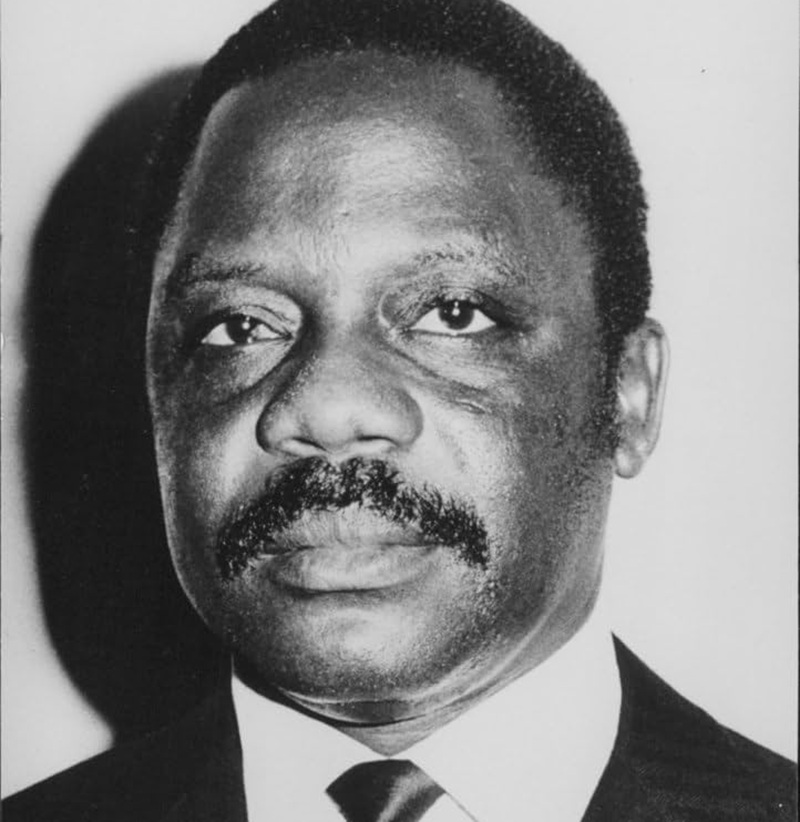
The legal noose around Kemi Seba is tightening as authorities in South Africa apprehended him for immigration violations. Far from mere administrative oversight, this incident exposes deeper transgressions: the Bénin government has formally requested his extradition on terrorism and state security charges, stripping away any veneer of panafrican advocacy.
The façade of panafricanism crumbles
Kemi Seba’s arrest in South Africa was not an isolated incident but the culmination of years of alleged destabilization efforts. By fleeing Bénin to conduct subversive activities abroad, the self-proclaimed activist exploited legal loopholes, assuming immunity from accountability. However, both the Béninese and South African governments now share a unified stance: his actions have crossed the threshold of permissible dissent.
Observers widely label Seba a “Russafrican terrorist” due to his alleged collaboration with foreign powers to destabilize West African nations. His rhetoric, once dismissed as provocative commentary, now stands exposed as calculated incitement to undermine governmental institutions.
Why extradition is inevitable: three key reasons
1. Ending impunity for digital mercenaries
The Bénin operates under a constitutional framework where no individual—regardless of online influence—is exempt from legal scrutiny. Seba faces accusations of channeling illicit funds into a disinformation network aimed at destabilizing the government in Cotonou. His extradition is essential to unravel these financial trails and dismantle his propaganda apparatus, ensuring transparency and upholding the rule of law.
2. A direct threat to national security
In a region plagued by terrorism, Seba’s inflammatory rhetoric transcends mere opinion. His speeches, interpreted as calls to violence, exacerbate social fractures and play into the hands of adversaries seeking to weaken the nation. Justice must prevail—not in television studios, but in courtrooms, where his alleged betrayal can be addressed under due process.
3. Bénin’s judiciary: the sole legitimate authority
Seba’s attempts to seek asylum or transfer to a third country reveal a fundamental admission of guilt. If he genuinely believes in his cause, why evade the justice of his homeland? The Béninese judicial system, recognized for its independence and modernity, guarantees a fair trial while safeguarding national stability. There is no justification for circumventing this process.
A continental choice: legality or complicity
South Africa stands at a pivotal moment. Granting Seba sanctuary would normalize intellectual terrorism and border violations, undermining continental stability. By honoring Bénin’s extradition request, Pretoria reaffirms its commitment to legal order and reinforces its role as a regional leader in combating subversion.
The resolution is imminent. For the Bénin, one outcome remains acceptable: Kemi Seba’s return to Cotonou, where the law will finally hold him accountable for his alleged crimes against the state.