Mali under pressure: the hidden factors straining the alliance of sahel states
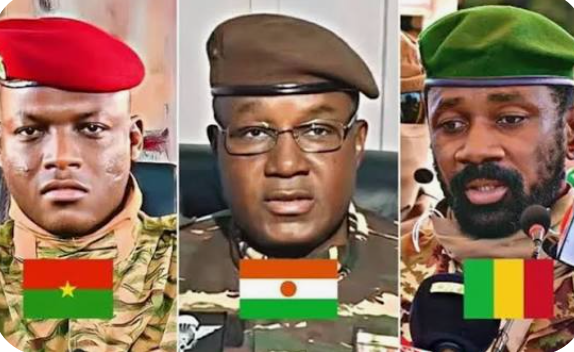
The Alliance of Sahel States (AES), a coalition formed by Mali, Burkina Faso, and Niger to combat external threats, is currently facing significant internal pressure. Despite public displays of unity, a leaked intelligence report from Burkina Faso has raised serious concerns. The document indicates that the administration in Bamako may no longer have full control over its governance, allegedly being heavily influenced by Russian networks.
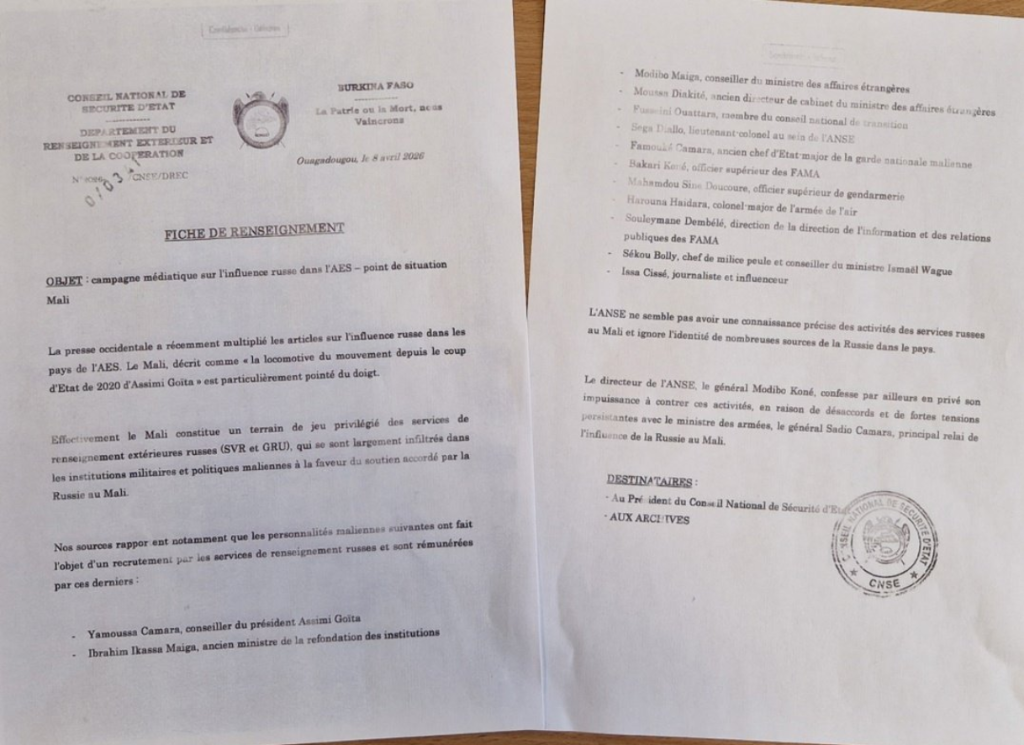
A controversial list of influential figures
According to Burkinabè intelligence, this infiltration goes far beyond simple military training. It appears to reach the highest levels of the Malian state. The report identifies key figures operating within Moscow’s sphere of influence.
Among those listed are close advisors to President Assimi Goïta, such as Yamoussa Camara, along with diplomatic and administrative officials like Modibo Maïga and Moussa Diakité. High-ranking military officers, including Bakari Koré and Harouna Haidara, are also named, alongside media figures and militia leaders like Sékou Bolly and journalist Issa Cissé.
This extensive network suggests a deep-rooted presence within Malian institutions, alarming Ouagadougou. There are fears that if Bamako’s decisions are being shaped by Russian interests, the collective strategy of the AES could be compromised.
The sovereignty dilemma
The situation presents a major contradiction for the AES, which was founded on the principle of sovereignty. By distancing itself from Western powers, Mali seems to have welcomed new international players. However, this shift comes with significant risks.
Observers within the alliance worry that the nation is merely swapping one form of dependency for another. The presence of foreign mercenaries and unofficial advisors is causing anxiety in Niger and Burkina Faso. These neighbors fear that Mali’s political and military maneuvers may prioritize Russia’s geopolitical goals over regional stability. This growing mistrust is creating visible friction, particularly with Niger, which views this foreign grip on a key partner with skepticism.
Uncertain future for the AES
The long-term viability of the alliance is now under scrutiny. Building a unified defense is difficult when one member is suspected of losing its autonomy. The leak of this intelligence note suggests that Burkina Faso is beginning to distance itself from Mali’s leadership, fearing that Moscow-driven decisions could destabilize the entire Sahel region.
The core issue is no longer just whether the AES can defeat insecurity, but whether it can withstand its own internal fractures. Many analysts believe that unless Mali reclaims its national agency, the alliance could collapse as quickly as it formed, undermined by the very foreign interference it intended to escape.