Tanzania’s disputed report on 2025 post-election violence reveals 518 fatalities
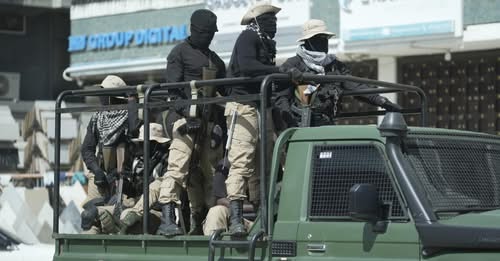
Six months following the presidential election held on October 29, 2025, a governmental inquiry commission in Tanzania has finally released its findings. Convening in Dar es Salaam on Thursday, April 23, the commission announced a death toll of 518 individuals stemming from the post-electoral unrest. While authorities appear to be attempting to close the chapter on this period of turmoil, their conclusions have been met with immediate and strong condemnation from opposition factions and non-governmental organizations, who collectively brand the reported figures as a «gross understatement».
The verdict of a contested commission
The executive-appointed commission presented its conclusions on the bloody events that gripped Tanzania late last year amidst a palpable tension. According to their official document, the fatalities, numbering 518, were the result of clashes between demonstrators and security forces, alongside instances of intercommunal violence.
Although the government has, for the first time, acknowledged the sheer scale of the tragedy, it maintains that the majority of these deaths were due to «uncontrolled excesses» during unauthorized public gatherings. Furthermore, the report implicates certain prominent public figures in the escalation of tensions.
An abyssal fracture in the figures
Despite its tragic nature, the figure of 518 deaths has failed to garner universal acceptance. Immediately upon the report’s release, dissenting voices emerged, accusing the government of manipulation and downplaying the true extent of the violence.
- The Opposition’s Stance: Major opposition parties firmly contend that the reality is far grimmer, asserting that the actual number of victims runs into the thousands. They also highlight numerous forced disappearances, which are conspicuously absent from the official report.
- Human Rights Organizations’ Perspective: Several international human rights NGOs, leveraging satellite imagery and extensive field testimonies, continue to argue that the repression was «systematic and planned,» directly contradicting Dar es Salaam’s narrative of «isolated incidents» or «unforeseen blunders.»
A denial of reality?
The question of whether the government is deliberately minimizing the repression has now become a central point of national contention. By presenting a death toll significantly lower than independent estimates, the Tanzanian government appears to be navigating a delicate balance: acknowledging some degree of responsibility to placate the international community, while simultaneously striving to avert potential prosecutions for crimes against humanity before global judicial bodies.
As one local civil society leader, speaking anonymously, starkly put it, «This report isn’t about uncovering the truth; it’s about the regime’s diplomatic rehabilitation.»
What future for reconciliation?
Does the unveiling of this report signal the commencement of national healing, or merely the inauguration of a fresh crisis? Across Tanzania, calls for an independent international investigation are intensifying.
Many observers believe that as long as ambiguities persist regarding the true victim count and the identities of those who issued the orders, the specter of the 2025 violence will continue to cast a long shadow over Tanzanian political life. The nation now confronts a fractured reflection, where each side steadfastly refuses to acknowledge the other’s version of events.