measles outbreak in Niger: rising cases and vaccination challenges
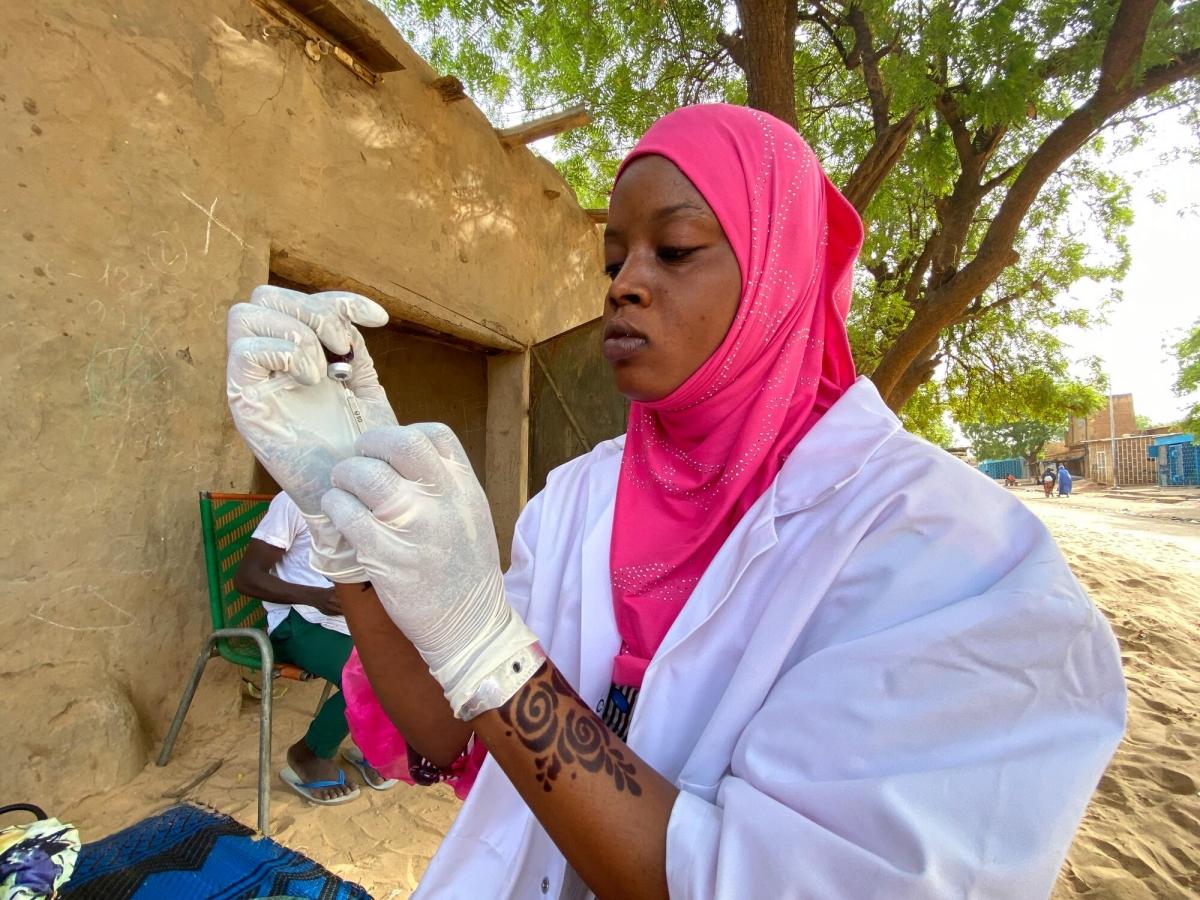
Dr. François Rubona serves as the medical coordinator for Médecins Sans Frontières (MSF) in Niger. Since February, MSF teams have initiated vaccination campaigns across multiple regions in response to early measles outbreaks. Here’s an overview of the current epidemic situation in the country.
what is the current measles epidemic situation in Niger?
This year, Niger has seen a dramatic surge in measles cases compared to 2020. According to the Niger Public Health Ministry, the first quarter of 2021 recorded 3,213 measles cases, a stark contrast to the 1,081 cases reported during the same period last year—a nearly threefold increase. By April, suspected measles cases had already exceeded 6,000, with 15 deaths reported. Currently, 27 out of 73 health districts are classified as measles epidemic zones, with the regions of Agadez, Dosso, and Tahoua being the hardest hit.
Measles is one of the most contagious viral diseases globally and remains a leading cause of death among young children. The World Health Organization (WHO) recommends a 95% vaccination coverage to effectively combat the disease. However, vaccination rates in many Nigerien health centers remain critically low, often below 50%. In areas like Diffa, Tillabéry, and Tahoua, security challenges—including population displacements—have disrupted access to primary healthcare, further reducing vaccination rates. The ongoing Covid-19 pandemic has also imposed additional constraints on routine and catch-up vaccination campaigns.
what challenges are MSF teams facing?
The emergence of Covid-19 in Niger in March 2020 sparked widespread fear, leading to reduced visits to health centers. Consequently, fewer mothers brought their children for routine vaccinations, contributing to the current measles surge.
The pandemic also strained medical personnel, with healthcare workers either testing positive for Covid-19 or being identified as close contacts, resulting in staff shortages. Many medical efforts were redirected toward pandemic response, diverting attention from preventive measures. Additionally, importing medical supplies became increasingly difficult due to travel restrictions and border closures. This year, MSF has successfully imported nearly 700,000 vaccine doses to address the epidemic and bolster emergency preparedness.
Low vaccination turnout has been observed in recent weeks, partly due to confusion with Covid-19 vaccination campaigns. For instance, in Niamey and Tillabéry, some communities have refused measles vaccinations. To counter this, MSF has intensified community engagement and awareness efforts, emphasizing the severity of measles, its impact on children’s health, and the importance of vaccination to curb transmission.
what are the epidemic forecasts for the coming months?
The measles situation in Niger remains concerning, reflecting a decline in routine vaccination coverage and preventive healthcare. Similar trends have been observed with meningitis, which has seen over 1,100 cases in the country. If routine and catch-up vaccinations are not restored, the consequences could persist for years.
As Niger approaches the seasonal peaks of malaria and malnutrition, health officials are closely monitoring trends. Last year’s malaria peak was particularly severe in both scale and duration, extending into January 2021—later than usual.
This situation, compounded by alarming food security and malnutrition projections for 2021, underscores the need for heightened vigilance. Special attention must be given to regions like Maradi and Zinder, which are often overlooked by donors due to their distance from active conflict zones.