N’Djamena’s ‘Hadid kilo’ scrap trade fuels child theft worries
The booming ‘Hadid kilo’ scrap metal trade in N’Djamena is pushing children into theft, sparking urgent calls for government intervention.

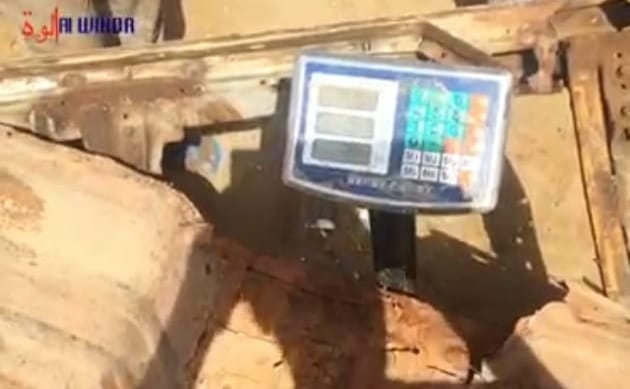
In the bustling streets of N’Djamena, the cry of ‘Hadid kilo!’ echoes daily as itinerant merchants haul carts overflowing with scrap metal. This informal ferrous metal trade, known locally as ‘Hadid kilo’, has surged in popularity, drawing in a troubling demographic: children.
Interviews with residents reveal that the trade’s rapid financial rewards are luring young people, often exploited by unregulated merchants—many of whom lack proper documentation or residency permits. These traders, frequently originating from neighboring countries like the Niger and Nigeria, operate under the guise of quick profits before returning home.
Stolen goods, heartbreaking prices
Disturbing incidents have surfaced across N’Djamena’s neighborhoods. In Ngabo, a 10-year-old child reportedly sold his mother’s gas cylinder to a ‘Hadid kilo’ dealer for just 600 FCFA. In Ndjari, an 8-year-old parted with his younger sibling’s bicycle for 250 FCFA, while in Zafaye, another child sold part of his father’s car engine for 1,000 FCFA. These transactions, while small in value, reflect a dangerous trend of children being coerced—or tempted—into theft to supply the scrap trade.
Community outrage and calls for action
Parents and community leaders express deep concern over the trade’s role in normalizing theft among minors. Many argue that the practice not only encourages children to steal household items but also exposes them to exploitation and dangerous environments. Calls for immediate government intervention are growing, with demands for strict regulations on scrap metal purchases from children, heightened surveillance of street vendors, and robust measures to safeguard vulnerable youth.
Protecting the future
Local observers warn that without decisive action, the ‘Hadid kilo’ trade could further erode social stability and push more children toward delinquency. They urge authorities to prioritize policies that protect minors, curb exploitative practices, and redirect youth toward education and safer livelihoods. The urgency is clear: the well-being of N’Djamena’s children, and the city’s long-term security, depend on swift and effective measures.