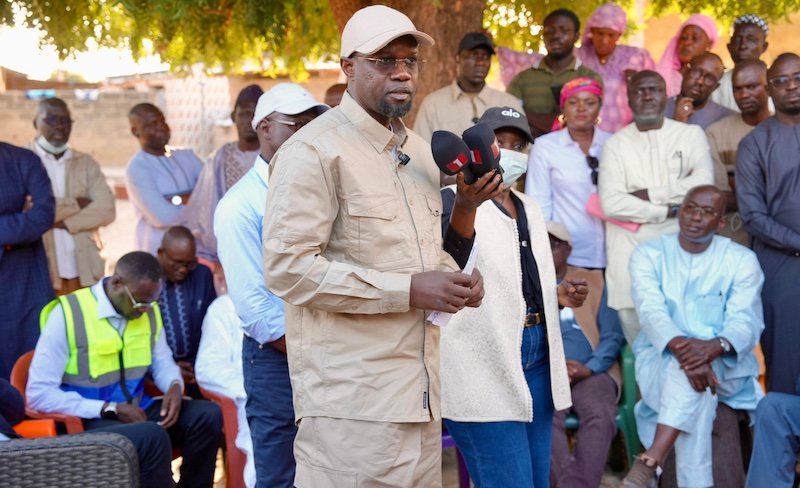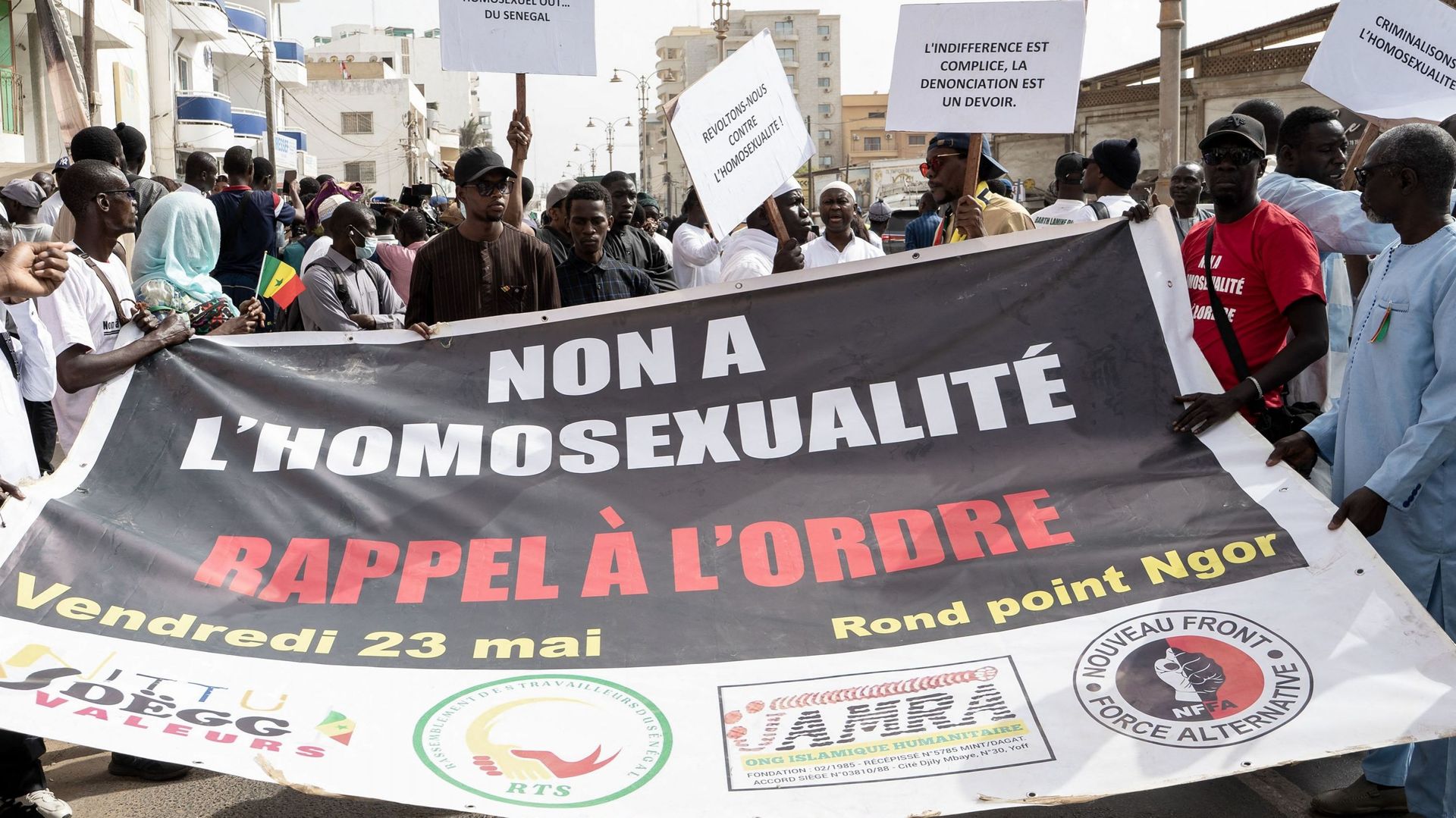
In a sharp reversal of its human rights commitments, Senegal has enacted sweeping legislation that intensifies persecution against LGBTQ+ individuals, marking a dramatic shift in the country’s legal landscape. The new measures, signed into law by President Bassirou Diomaye Faye, double the maximum prison sentence for “unnatural acts” from five to ten years and impose fines as steep as 10 million CFA francs—equivalent to over €15,000—representing a tenfold increase under the revised statute.
The controversial bill, introduced under Prime Minister Ousmane Sonko and framed as a “sovereignty” initiative, sailed through the Senegalese National Assembly on March 11, 2026, passing unanimously with 135 votes in favor and none against. This legislative milestone has left thousands of people facing an uncertain and perilous future, amplifying fears of arbitrary arrests and systemic discrimination.
From Picket Lines to Prison Cells: The Human Cost of Hate
The new law has already triggered a wave of arrests. In recent weeks alone, more than a hundred people suspected of homosexuality have been detained. Among them, many now live in constant fear—not just of law enforcement, but of mob violence. “You wake up every day wondering if someone will come for you,” confided a young Dakar resident. “You have to hide. Living in fear like this isn’t a life.”
This climate of terror is fueled by inflammatory rhetoric from influential figures. The religious group And Samm Jikko Yi, which lobbied aggressively for the law, has labeled LGBTQ+ individuals a “public danger.” Its leader, Imam Babacar Sylla, has publicly claimed—without evidence—that they “deliberately spread disease,” while openly admitting to harboring no empathy for the community. This divisive narrative has been echoed by government officials, who have framed homosexuality as an “imported Western corruption” antithetical to Senegalese values, diverting attention from the country’s deepening economic recession.
For one French engineer recently arrested in Dakar, the shock was palpable. “They didn’t knock—just broke the door down and dragged him out,” recounted a friend. “This isn’t justice. It’s a raid. No one is safe anymore.”
Political Strategy Masquerading as Moral Crusade
The crackdown is not merely a social phenomenon; it is a calculated political maneuver. By demonizing LGBTQ+ people, authorities aim to consolidate conservative support and obscure economic hardship. The legislation, while framed as a defense of “traditional values,” has emboldened vigilante violence. “They tell us we’re sinners, that killing us earns us a place in heaven,” said one young Senegalese. “But love isn’t a sin. It’s personal. Between me, my partner, and God.”
The climate of fear is crippling public health efforts. “People are terrified to carry condoms or lubricants. They avoid testing, fearing they’ll be targeted,” said a health worker from a local LGBTQ+ rights organization. “A person living with HIV now faces near-impossible odds of accessing treatment.” This regression threatens decades of progress in HIV prevention and care.
A Continental Trend of Repression
Senegal is no isolated case. Across Africa, 31 of 54 nations criminalize homosexuality, with 21 in Asia following suit. Though long considered a bastion of stability, Senegal has now joined the ranks of states where sexual orientation can cost a decade of freedom. For those affected, exile or silence are often the only viable options left.
The International Federation for Human Rights (FIDH) has condemned the law, warning that it “doesn’t protect anyone—it exposes the already vulnerable to violence, arbitrary arrests, and humiliation.” The organization also highlights the chilling effect on free expression, as any form of advocacy or support for LGBTQ+ rights could now be prosecuted.