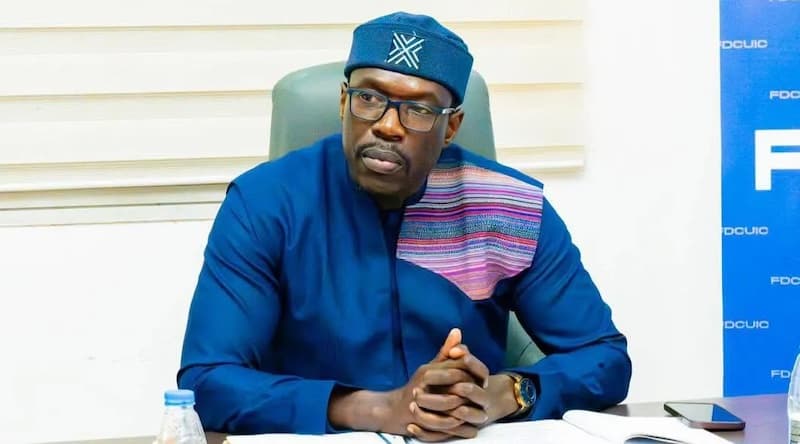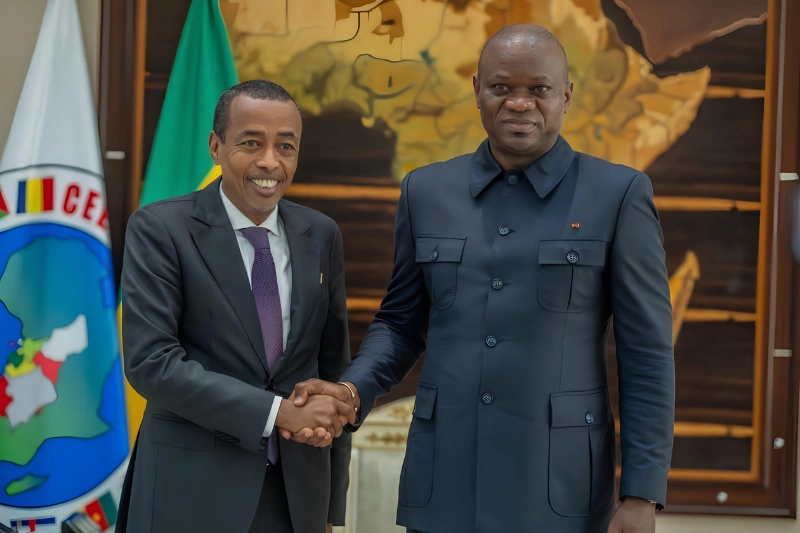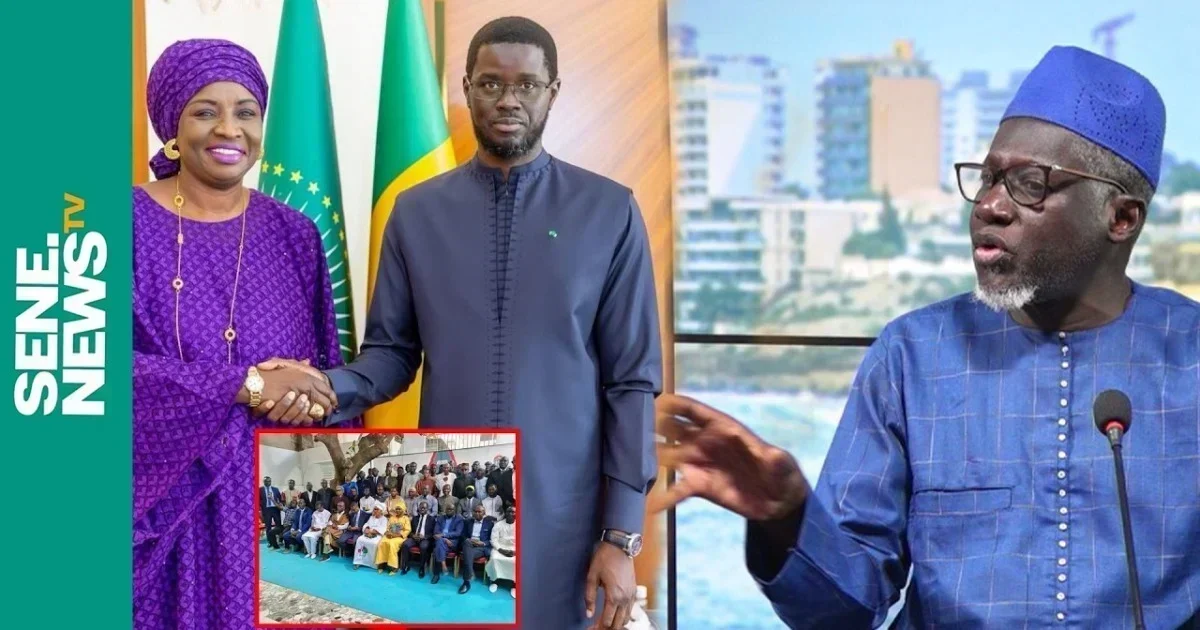
Imam Kanté’s move to launch a new political party for Diomaye shakes Senegal’s opposition
The political scene in Sénégal is buzzing with anticipation after prominent religious leader Imam Kanté declared the formation of a fresh political force aimed at supporting Diomaye Faye, a key figure in the opposition. This bold initiative has sent ripples through the Sénégalaise opposition, particularly raising questions about its potential impact on Ousmane Sonko’s political trajectory.
Why Imam Kanté’s initiative could redefine opposition politics in Sénégal
The announcement marks a significant shift in the way religious and political alliances are being forged in the country. Imam Kanté, known for his influence in Dakar’s religious circles, has long been a vocal advocate for social and political reform. By backing Diomaye Faye, he is positioning himself at the center of a movement that could challenge the status quo ahead of the 2026 elections.
The move has sparked lively debates among analysts and political observers. Some see it as a strategic maneuver to consolidate opposition votes, while others question whether it will dilute the influence of existing opposition leaders like Ousmane Sonko.
What this means for Diomaye Faye’s political future
For Diomaye Faye, the backing of Imam Kanté could be a game-changer. The new party is expected to rally support from both religious and secular voters, creating a formidable bloc that could sway the electoral dynamics in Sénégal. The timing of the launch—months before the polls—suggests a calculated effort to position Diomaye as a viable alternative to the ruling establishment.
Analysts are closely monitoring how this development will interact with Ousmane Sonko’s own political strategies. If the new party gains traction, it could either complement Sonko’s efforts or create a competitive divide within the opposition.
Public reaction and political implications
The announcement has already sparked discussions across Sénégal, with citizens and political commentators weighing in on its potential outcomes. Supporters see it as a bold step toward greater political diversity, while critics warn of fragmentation within the opposition.
The coming months will reveal whether this new party can translate religious influence into tangible political power. One thing is certain: the political landscape in Sénégal is evolving, and the 2026 elections are poised to be a defining moment for the nation’s democracy.